Imperial Ceremony Kimonos in Kyoto: Fabrics, Symbols, and Court Protocols
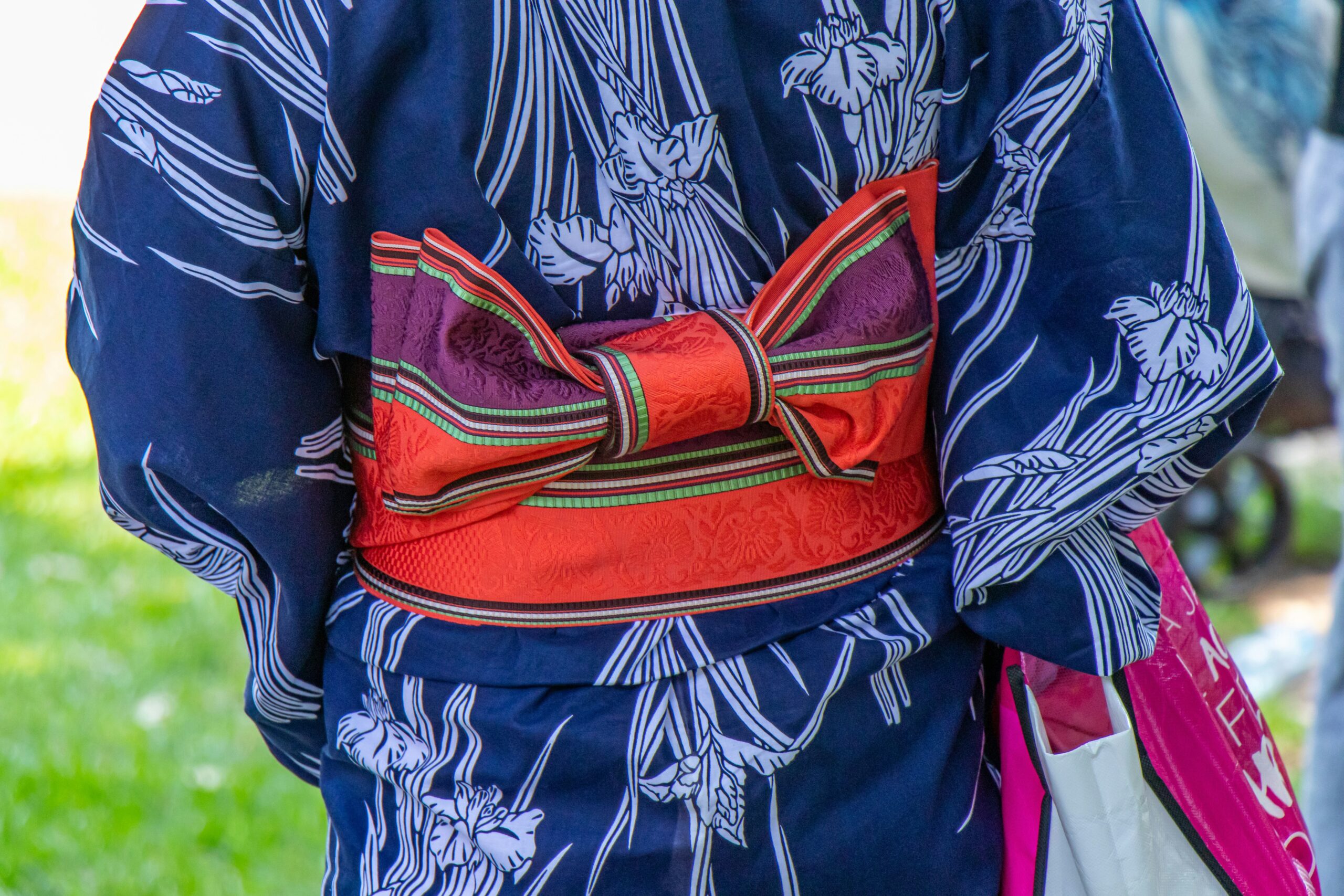
Traditional imperial ceremony kimono at the historic Kyoto Imperial Palace
Kyoto is not simply a city to visit—it is a living archive of Japan’s imperial past. For over a thousand years, Kyoto served as the heart of the Japanese court, shaping the aesthetics, etiquette, and ceremonial traditions that still define the country’s cultural identity today. Among the most refined expressions of this heritage are imperial ceremony kimonos, garments that go far beyond fashion and enter the realm of symbolism, ritual, and historical continuity.
For visitors and residents of Kyoto, understanding imperial kimonos offers a deeper appreciation of the city itself. These garments are not abstract museum pieces; they are deeply connected to Kyoto’s neighborhoods, seasonal rhythms, traditional craftspeople, and courtly customs that continue to influence ceremonies, exhibitions, and cultural experiences across the city.
This article explores imperial ceremony kimonos in Kyoto, focusing on their fabrics, symbolic motifs, and strict protocols, while offering practical insights for travelers who want to experience this refined tradition firsthand—especially through authentic photography and cultural encounters with AllPhotos Kyoto.
- Kyoto as the Birthplace of Imperial Kimono Culture
- Fabrics Used in Imperial Ceremony Kimonos
- Symbolic Motifs: Reading the Language of Imperial Kimonos
- Protocols and Etiquette of Imperial Ceremony Kimonos
- Where Imperial Kimono Culture Lives in Kyoto Today
- Experiencing Imperial Elegance Through Photography in Kyoto
- Practical Tips for Visitors Interested in Imperial Kimono Culture
- Kyoto’s Climate and Its Influence on Imperial Kimono Design
- Why Imperial Ceremony Kimonos Matter Today
- Final Thoughts: Kyoto, Ceremony, and Living Tradition
Kyoto as the Birthplace of Imperial Kimono Culture
Kyoto’s role as Japan’s imperial capital for more than a millennium made it the center of ceremonial dress. The imperial court dictated not only political life but also visual culture—colors, textile techniques, and garment forms were carefully regulated according to rank, season, and occasion.
The kimonos worn for imperial ceremonies evolved within this environment of precision and hierarchy. Every detail mattered: from the length of the sleeves to the layering order, from the type of silk used to the direction a motif faced. Kyoto’s court culture demanded garments that expressed harmony, dignity, and cosmic balance.
Even today, Kyoto retains this legacy through:
- Traditional weaving districts such as Nishijin
- Historic temples and shrines linked to court rituals
- Seasonal festivals rooted in aristocratic traditions
- Museums and artisan studios preserving imperial textile knowledge
When walking through Kyoto’s older districts, it is impossible to separate the city’s visual atmosphere from the legacy of imperial attire.
Fabrics Used in Imperial Ceremony Kimonos
Nishijin Silk: Kyoto’s Crown Jewel
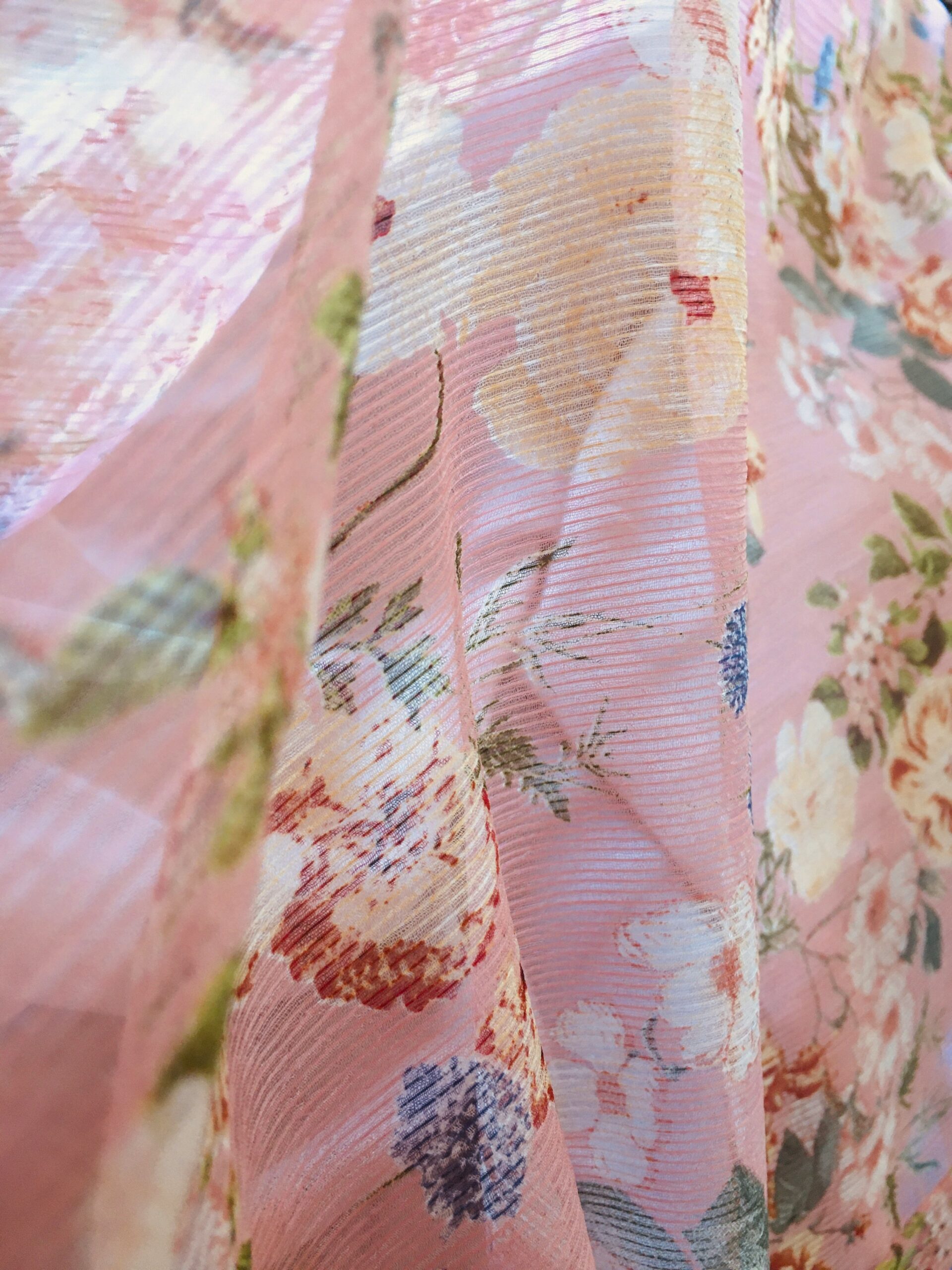
Nishijin silk weaving: The foundation of imperial ceremony kimonos
The most iconic fabric associated with imperial ceremony kimonos is Nishijin-ori, a luxurious silk textile produced in Kyoto’s Nishijin district. Nishijin weaving dates back centuries and is still practiced today by highly specialized artisans.
Characteristics of Nishijin silk include:
- Intricate multi-colored weaving
- Use of gold and silver threads
- Dense, structured texture suitable for formal garments
- Patterns woven directly into the fabric rather than dyed
Imperial ceremony kimonos require fabrics that hold their shape and convey authority. Nishijin silk fulfills this role perfectly, making it indispensable for court garments and formal wear associated with Kyoto’s aristocratic culture.
Visitors interested in traditional craftsmanship can explore Nishijin neighborhoods, where small workshops and cultural centers showcase the weaving process—a valuable context before experiencing kimono photography or ceremonial styling with AllPhotos Kyoto.
Layered Silks and Court Elegance
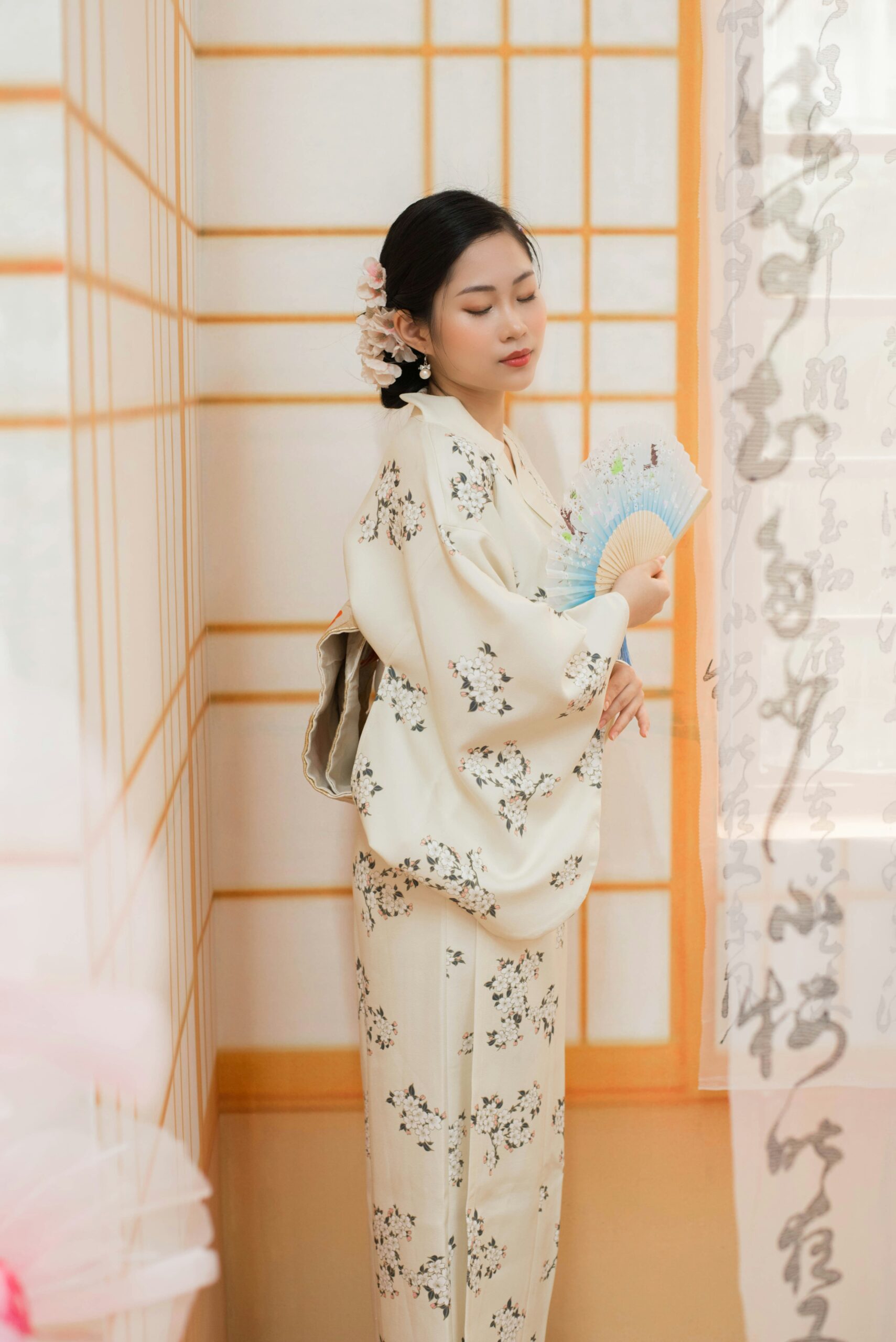
Layered silk construction: The hallmark of imperial court elegance
Imperial kimonos are rarely single-layer garments. Court attire often consists of multiple silk layers, each with its own color significance. The interaction between layers creates depth, subtle contrast, and visual rhythm when the wearer moves.
In Kyoto’s imperial tradition:
- Outer layers convey rank and formality
- Inner layers reflect seasonal colors
- Texture variation enhances elegance rather than ornamentation alone
This layered construction is especially important during formal ceremonies historically held within Kyoto’s imperial compounds.
Symbolic Motifs: Reading the Language of Imperial Kimonos
Imperial ceremony kimonos are visual texts. Every motif has meaning, and in Kyoto’s court culture, nothing was decorative without purpose.
Nature Motifs Rooted in Kyoto’s Seasons
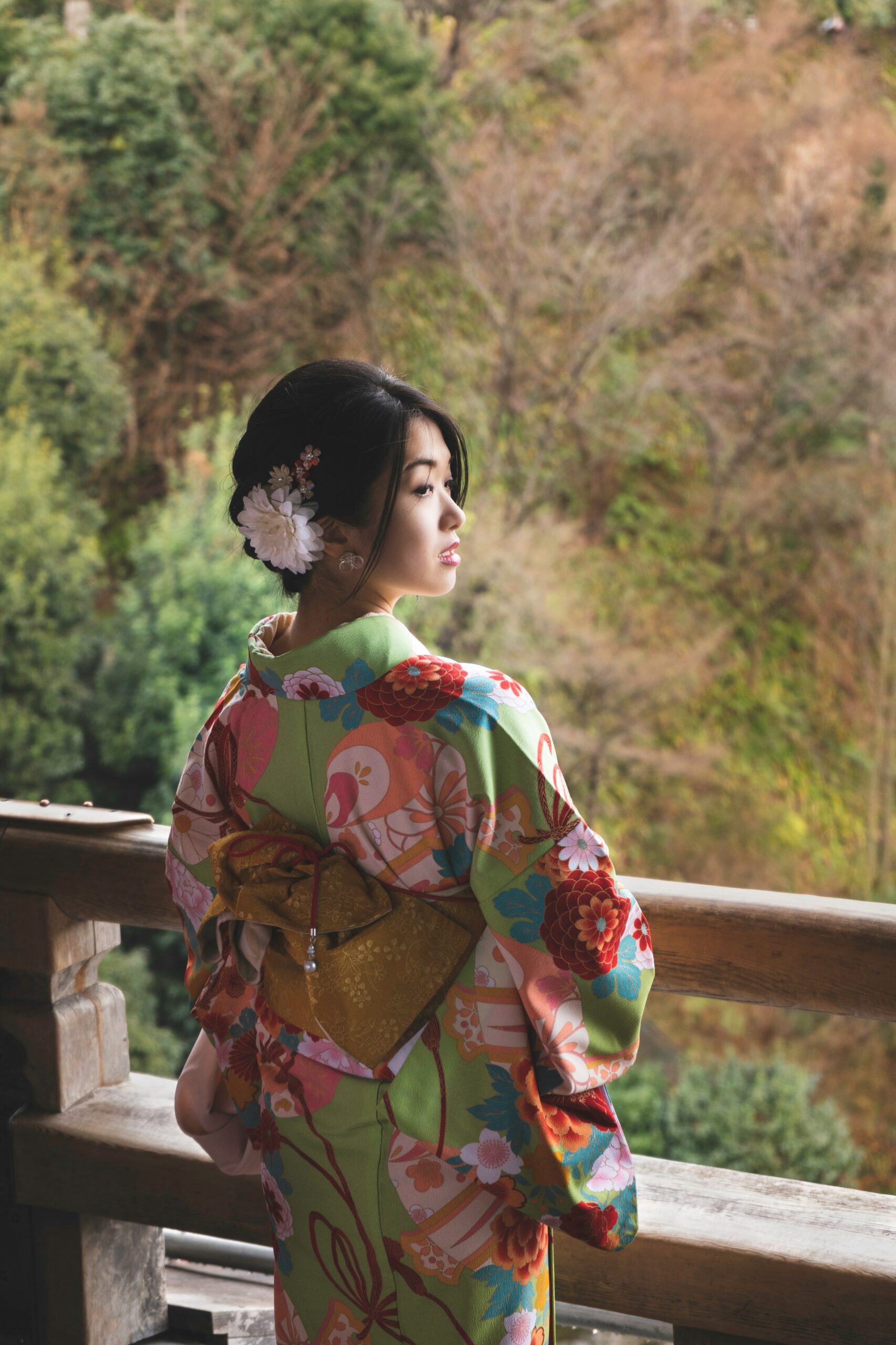
Chrysanthemum motifs: Symbol of the imperial family and longevity
Kyoto’s distinct seasonal changes are deeply embedded in imperial kimono design. Common motifs include:
- Chrysanthemums: Symbol of the imperial family, longevity, and authority
- Paulownia (Kiri): Associated with nobility and high rank
- Pine, bamboo, and plum: Representing endurance, resilience, and renewal
- Flowing water and clouds: Evoking harmony and continuity
These motifs often appear in subtle arrangements rather than bold displays, reflecting Kyoto’s refined aesthetic sensibility.
Color Protocols and Hierarchy
Color in imperial kimonos follows strict rules. Historically, specific hues were reserved for certain ranks or occasions:
- Deep purples and layered reds indicated high status
- Soft whites and pale golds signified purity and sacred formality
- Seasonal palettes reflected Kyoto’s climate and court calendar
Even today, when imperial-inspired kimonos are recreated for exhibitions or formal experiences, these color traditions remain influential.
Protocols and Etiquette of Imperial Ceremony Kimonos
How Imperial Kimonos Were Worn
Imperial ceremony kimonos were not simply worn—they were performed. Protocol governed:
- Sleeve length and width
- How layers were arranged
- The direction the garment opened
- How the wearer walked, stood, and sat
Kyoto’s court etiquette demanded slow, controlled movements to maintain the garment’s form and symbolism. This ceremonial presence distinguished imperial attire from everyday kimono styles.
Seasonal and Ritual Timing
Ceremonial kimonos were tied to Kyoto’s ritual calendar. Certain fabrics and motifs were worn only in specific seasons, reinforcing harmony between human activity and nature—an idea deeply rooted in Kyoto’s cultural philosophy.
This seasonal sensitivity remains relevant for modern visitors choosing when to experience kimono photography or cultural events in Kyoto.
Where Imperial Kimono Culture Lives in Kyoto Today
Kyoto Imperial Palace Area
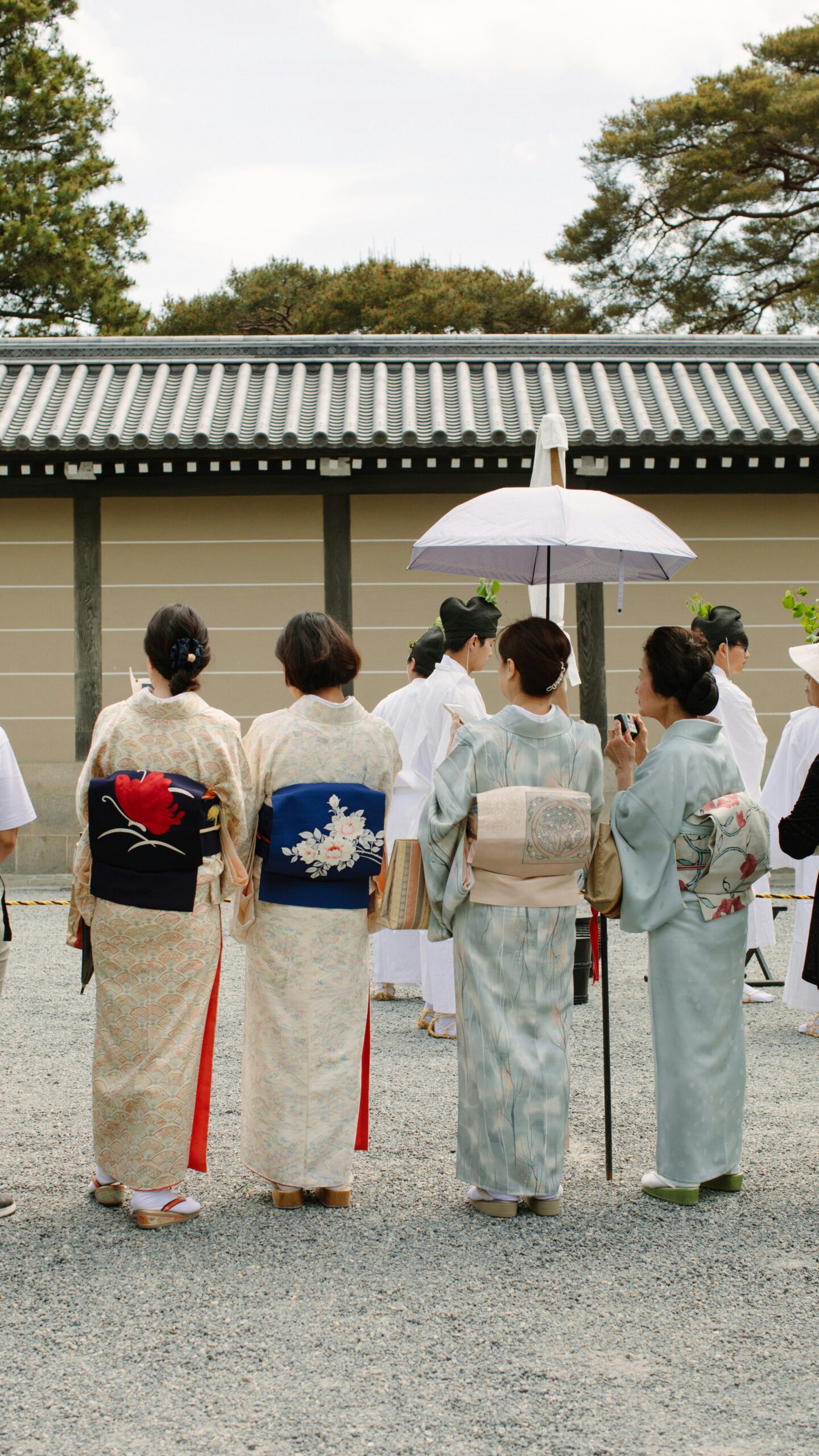
Kyoto Imperial Palace: Where ceremonial kimono traditions were born
The surroundings of the Kyoto Imperial Palace remain a powerful reference point for imperial tradition. Walking these grounds provides context for the formality and restraint that shaped ceremonial attire.
Traditional Districts and Artisan Neighborhoods
Areas such as:
- Nishijin
- Kamigyo
- Historic central Kyoto neighborhoods
continue to preserve the techniques and aesthetics tied to imperial garments.
For travelers, these locations offer an ideal setting to deepen their understanding before booking a kimono photography experience with AllPhotos Kyoto, where historical inspiration meets modern storytelling.
Experiencing Imperial Elegance Through Photography in Kyoto
Professional kimono photography: Preserving Kyoto’s imperial elegance
For many visitors, the most meaningful way to connect with imperial kimono culture is through professional photography. Photography allows you to inhabit the visual language of Kyoto’s court tradition while preserving the experience as a lasting memory.
With AllPhotos Kyoto, visitors can:
- Discover kimono experiences inspired by Kyoto’s ceremonial heritage
- Book professional photo sessions in historically resonant areas
- Learn about fabrics, symbolism, and etiquette through guided experiences
- Capture Kyoto’s refined atmosphere in an authentic, respectful way
If you want to discover Kyoto through the lens of imperial elegance, you can explore and reserve your experience directly with AllPhotos Kyoto at👉 https://allphoto-kyoto.com/
Practical Tips for Visitors Interested in Imperial Kimono Culture
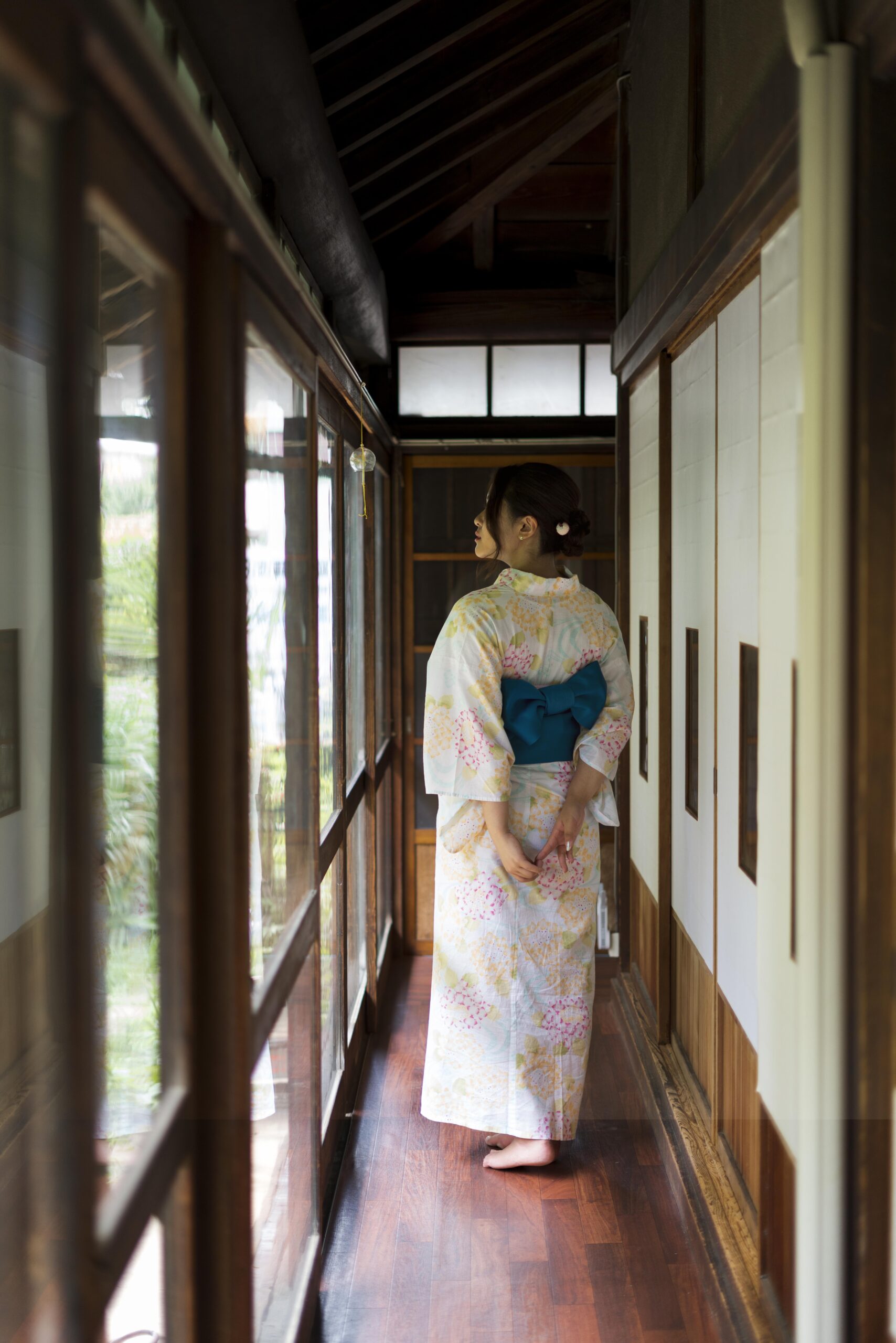
Kyoto’s seasons enhance the imperial kimono experience
- Choose the right season: Spring and autumn offer ideal lighting and weather for kimono photography in Kyoto.
- Respect symbolism: Even modern interpretations of imperial styles carry cultural weight.
- Opt for professional guidance: Working with specialists like AllPhotos Kyoto ensures authenticity and respect for tradition.
- Plan locations carefully: Historic neighborhoods enhance the atmosphere without overwhelming the experience.
Kyoto’s Climate and Its Influence on Imperial Kimono Design
Kyoto’s climate—with humid summers and crisp winters—shaped the evolution of ceremonial attire. Breathable silks, layered construction, and seasonal colors all reflect adaptation to local conditions.
Understanding this climate context enriches both historical appreciation and modern experiences in kimono styling and photography.
Why Imperial Ceremony Kimonos Matter Today
Imperial ceremony kimonos are not relics—they are cultural blueprints. They influence modern formal wear, inspire contemporary designers, and remain a visual symbol of Kyoto’s role as Japan’s cultural heart.
For travelers and residents alike, engaging with this tradition offers a deeper, more meaningful connection to Kyoto beyond sightseeing.
To learn more, book a session, or experience Kyoto through authentic kimono photography, visit AllPhotos Kyoto at👉 https://allphoto-kyoto.com/
Final Thoughts: Kyoto, Ceremony, and Living Tradition
Kyoto’s imperial ceremony kimonos embody centuries of refinement, discipline, and symbolic beauty. From Nishijin silks to carefully regulated motifs, from courtly protocols to modern reinterpretations, these garments tell the story of a city where tradition is not preserved behind glass—it is lived.
Whether you are visiting Kyoto for the first time or rediscovering it as a resident, exploring imperial kimono culture offers a rare opportunity to step into the city’s most elegant narrative. And through AllPhotos Kyoto, you can transform that understanding into a personal, unforgettable experience rooted in Kyoto’s timeless grace.


コメント