The Kimono in Life Transition Rituals in Kyoto: A Deep Cultural Guide for Visitors and Residents
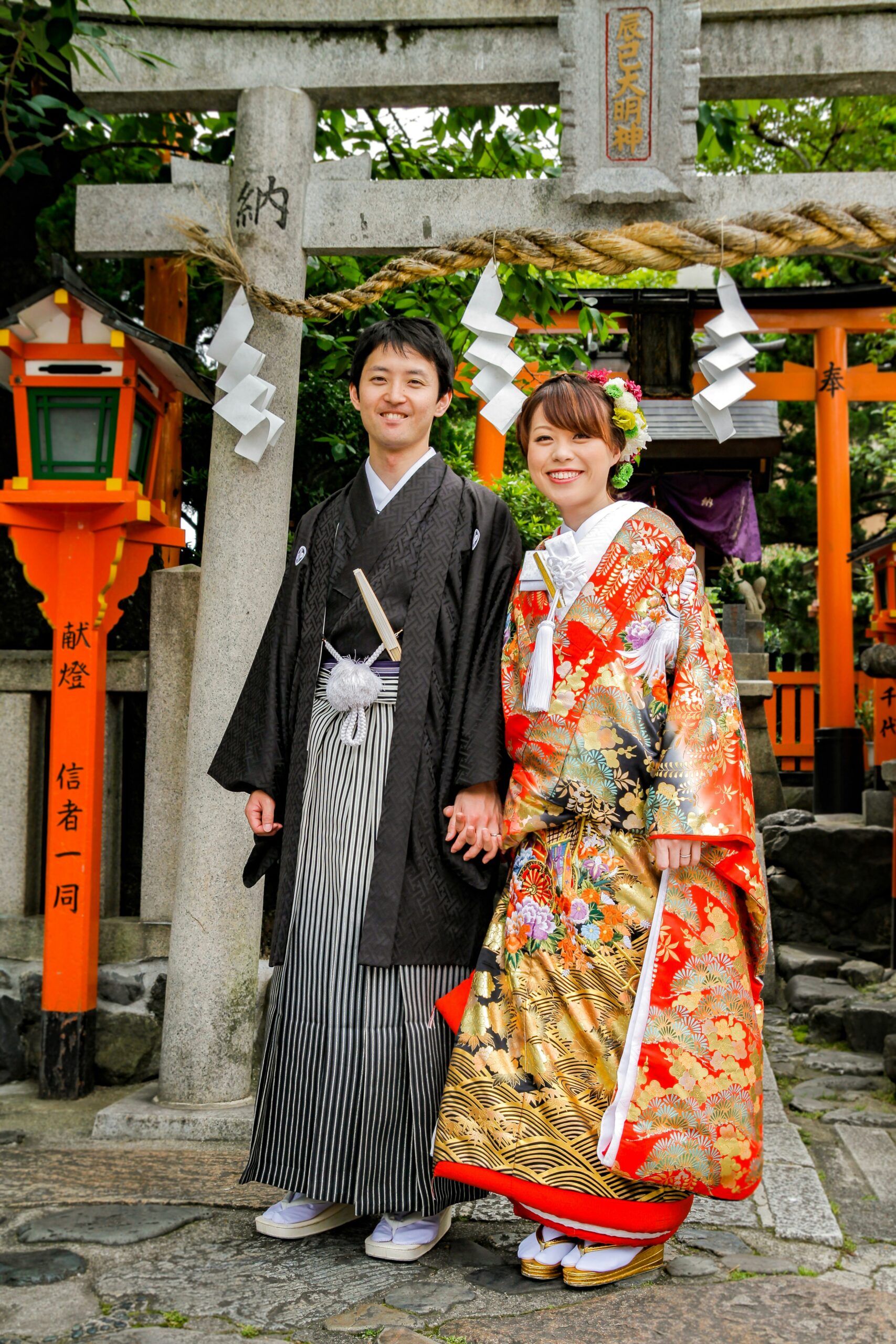
Traditional kimono ceremony in Kyoto’s sacred spaces
Few garments in the world carry as much meaning, artistry, and emotional weight as the Japanese kimono. And nowhere is the kimono more intertwined with life’s biggest transitions than in Kyoto—the ancient capital of Japan, where centuries of tradition remain vividly alive in everyday moments. Whether you are a visitor walking through the lantern-lit alleys of Gion, or a Kyoto resident who wishes to better understand the ceremonies woven into local culture, exploring the role of kimono in life transitions offers a unique window into Kyoto’s identity.
Kyoto is not simply a backdrop for these rituals—it is the heartland of kimono craftsmanship, etiquette, and ceremonial meaning. Every stage of life, from childhood milestones to marriage, adulthood, and elder celebrations, is wrapped—literally and symbolically—in layers of silk and tradition. The choice of colors, motifs, fabrics, and even the districts where the ceremonies take place reflects a profound cultural narrative unique to Kyoto.
In this comprehensive guide, we explore how kimono is used in key transition rituals across Kyoto, why these traditions endure, and how you can respectfully observe or even participate in them during your visit. Along the way, you’ll also discover opportunities to capture these moments with professional photography—an essential part of ceremonial culture in Kyoto—through AllPhotos Kyoto, a local studio specializing in authentic kimono experiences.
- 1. The Cultural Importance of Kimono in Kyoto’s Life Rituals
- 2. Kimono in Early Life Rituals: Celebrating Childhood in Kyoto
- 3. Kimono and the Journey Into Adulthood
- 4. Kimono in Marriage Rituals: A Sacred Transformation in Kyoto
- 5. Kimono in Later Life Celebrations: Longevity and Respect
- 6. Why Kyoto Is the Ideal Place to Experience Kimono Rituals
- 7. Practical Advice for Participating in or Observing Kimono Rituals in Kyoto
- Conclusion: A Living Tradition That Connects Kyoto’s Past and Present
1. The Cultural Importance of Kimono in Kyoto’s Life Rituals
Kyoto has been the center of Japanese court culture, arts, and crafts for over a thousand years. The city’s heritage neighborhoods—Gion, Higashiyama, Nishijin, and Arashiyama—still preserve the techniques and sensibilities that shaped the kimono into what it is today.
Kimono in Kyoto is not worn merely for decoration. It is used to:
- mark life’s turning points
- express the emotional meaning of a transition
- show respect toward loved ones and ancestors
- symbolize purity, growth, joy, or maturity
- create a sense of continuity with Kyoto’s past
Every fold, knot, and pattern carries cultural significance. When locals dress in kimono for special ceremonies—many of which are still held in Kyoto’s temples and shrines—they are participating in a living tradition that has endured through generations.
As a visitor, understanding the meaning behind these garments enriches your experience, whether you are attending a ritual, viewing a festival, or photographing Kyoto’s timeless scenes.
2. Kimono in Early Life Rituals: Celebrating Childhood in Kyoto
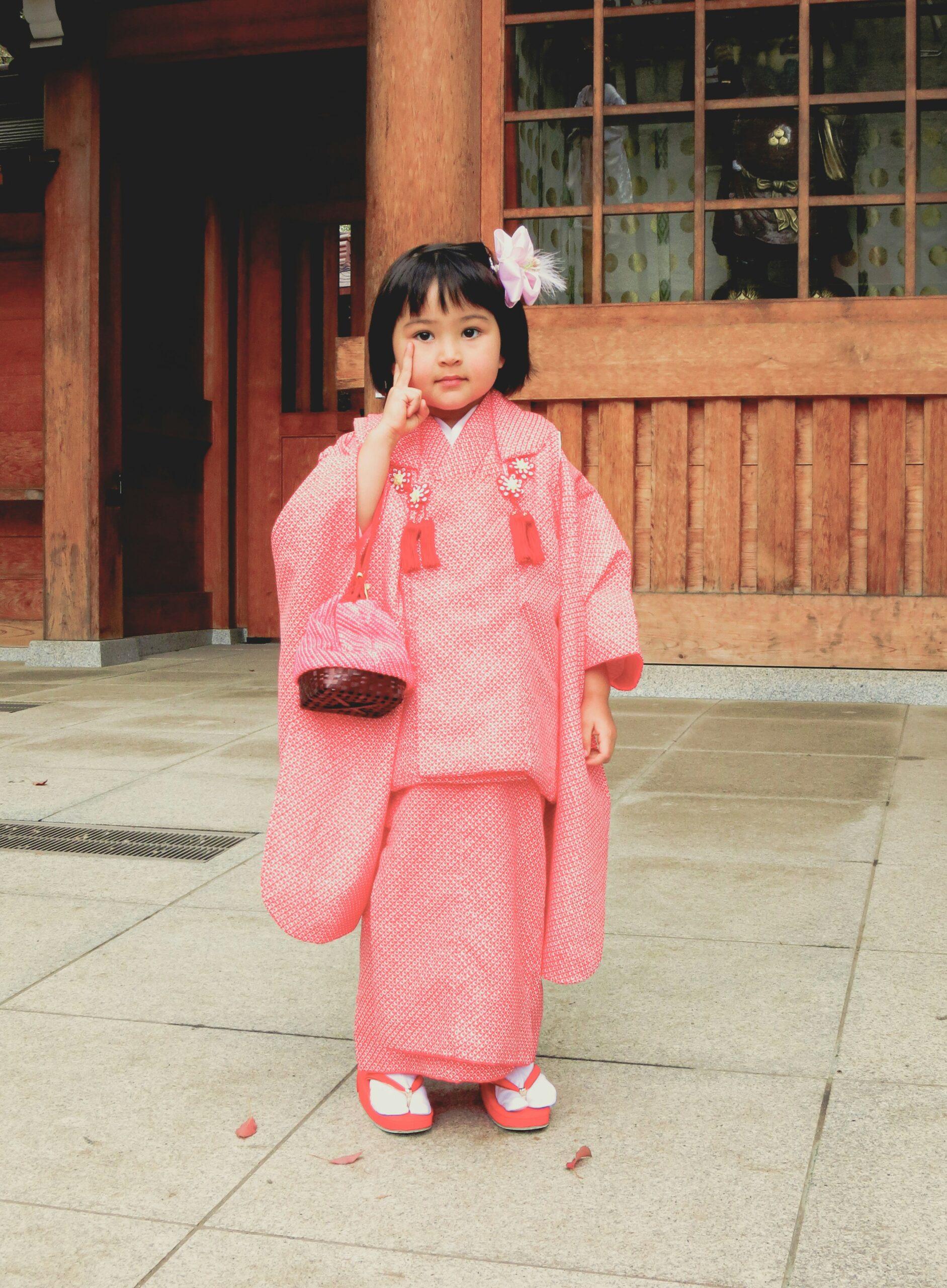
Omiyamairi: A newborn’s first shrine visit in traditional attire
2.1. Omiyamairi: A Newborn’s First Shrine Visit
In Kyoto, one of the earliest life transition rituals is omiyamairi, typically held about one month after a baby’s birth. Families visit a local shrine to express gratitude and pray for the child’s health. Many Kyoto families choose iconic shrines such as:
- Yasaka Shrine in Higashiyama
- Heian Shrine near Okazaki Park
- Kamigamo Shrine in northern Kyoto (an ancient UNESCO shrine deeply tied to Kyoto’s origins)
Mothers often wear elegant iromuji (solid-colored kimono) or homongi, while fathers may wear formal montsuki haori hakama. The baby is wrapped in a decorative kimono with auspicious motifs—cranes for longevity, pine for resilience, plum blossoms for growth.
If you wish to capture this precious moment during your stay, many families now book professional photographers. AllPhotos Kyoto offers Kyoto-based kimono shoots that beautifully accompany ceremonial visits to shrines.
2.2. Shichi-Go-San: Celebrating Growth at Ages 3, 5, and 7
Shichi-Go-San: Children celebrating growth at sacred ages
Shichi-Go-San (literally “Seven-Five-Three”) is one of the most photogenic and beloved childhood rituals in Kyoto. Every November, the city comes alive with families visiting shrines as children wear stunning, age-specific kimono:
- Girls (age 3 and 7): chirimen kimono with bright, celebratory motifs
- Boys (age 5): hakama paired with miniature formal kimono
- Accessories and hairstyles reflect Kyoto’s long-standing traditions
Popular Kyoto locations for Shichi-Go-San include:
- Shimogamo Shrine, surrounded by the ancient Tadasu no Mori forest
- Kiyomizu-dera approaches, especially for commemorative photos
- Kitano Tenmangū Shrine, known for its vibrant maple foliage in November
The autumn colors in Kyoto make Shichi-Go-San particularly special, and many families book seasonal photo sessions. If you plan to do the same, you can reserve a cultural photoshoot via AllPhotos Kyoto to document the occasion amid Kyoto’s breathtaking scenery.
3. Kimono and the Journey Into Adulthood
3.1. Seijinshiki: Coming-of-Age Ceremonies in Kyoto

Seijinshiki: Young adults celebrating Coming-of-Age Day in furisode
Turning twenty is one of the most important milestones in Japan, marked by Seijinshiki (Coming-of-Age Day) every January. Kyoto’s Coming-of-Age ceremonies are especially stunning because participants often walk through the historic streets on their way to district gatherings.
Young women typically wear furisode, the most formal kimono with long flowing sleeves. The colors and patterns are vibrant and symbolic: cherry blossoms for beauty, waves for resilience, cranes for hope.
Men may choose:
- formal montsuki hakama, or
- elegant haori jackets with subdued tones that reflect Kyoto’s refined aesthetic
In Kyoto, popular areas for commemorative photography include:
- Gion Shirakawa, with its stone bridges and willow trees
- Yasaka Pagoda area around Hōkan-ji Temple
- Arashiyama Bamboo Grove, especially early in the morning
- The lantern-lit alleys of Pontocho in the evening
If you are planning to celebrate Seijinshiki in Kyoto—or simply want to step into the cultural experience—booking a photography session wearing furisode or hakama is common practice. You can explore authentic kimono plans through AllPhotos Kyoto and reserve a tailored experience.
3.2. University Entrance and Graduation Ceremonies
The transition into academic life and the completion of university studies are also celebrated with kimono in Kyoto. Graduation ceremonies often feature:
- hakama for women (a Meiji-era style that originated in Kyoto’s academic circles)
- formal kimono with subdued motifs for men
- commemorative photos taken at university campuses such as those in northern and western Kyoto
These photos mark a bridge between youth and adulthood, and students often schedule portrait sessions in historic districts shortly after the official ceremony. If you wish to capture a graduation milestone in Kyoto, AllPhotos Kyoto provides location-based sessions that highlight the city’s unique charm.
4. Kimono in Marriage Rituals: A Sacred Transformation in Kyoto
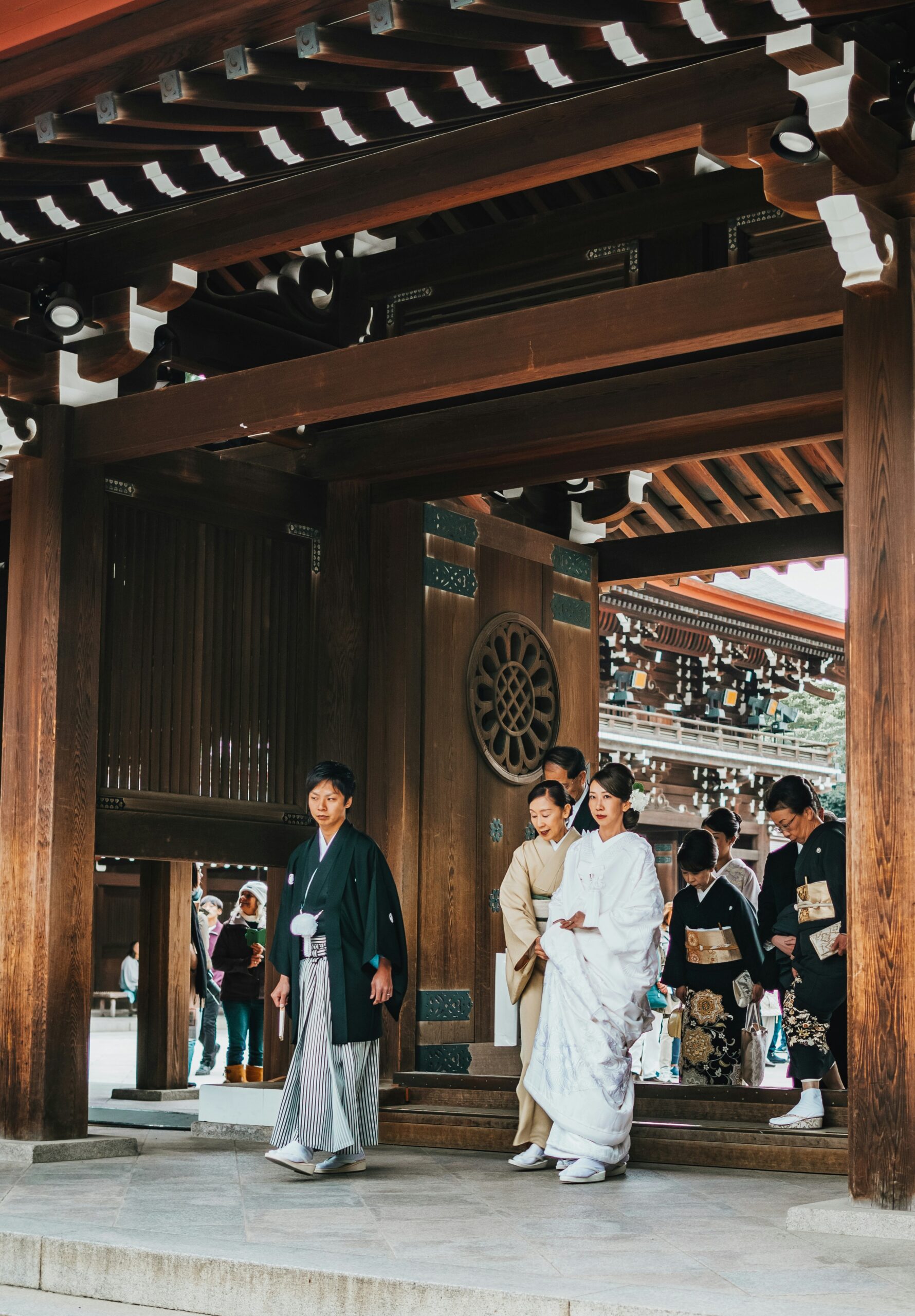
Traditional wedding ceremony: Bride in shiromuku symbolizing purity
Of all life transitions, marriage is perhaps the most richly adorned with kimono symbolism. Kyoto, with its abundance of historic shrines, temples, and traditional wedding venues, remains one of the most sought-after places in Japan for traditional weddings.
4.1. Traditional Wedding Attire in Kyoto
A typical Kyoto-style wedding includes two main types of kimono for the bride:
- Shiromuku: A pure white wedding kimono worn in Shinto ceremonies, symbolizing purity and the beginning of a new life
- Iro-uchikake: A vibrant, embroidered kimono often worn after the ceremony, featuring motifs like cranes, pine trees, and flowing water
- Brides may also wear tsunokakushi or wataboshi, distinctive Kyoto headpieces
The groom traditionally wears:
- Montsuki haori hakama, with the family crest prominently displayed
Kyoto has many iconic wedding locations where kimonos harmonize perfectly with the surroundings:
- Yasaka Shrine – known for its deep connection to Kyoto’s cultural heritage
- Kamigamo Shrine – one of the oldest Shinto shrines in Japan
- Ninnaji Temple – renowned for Omuro sakura and peaceful temple grounds
- Shisen-dō, Kodaiji, and other quieter Higashiyama temples for intimate ceremonies
These venues amplify the elegance of traditional wedding kimono, creating scenes that feel timeless.
If you’re planning a wedding, pre-wedding photoshoot, or romantic session in Kyoto, AllPhotos Kyoto offers professional photography and elegant kimono options tailored to couples.
4.2. Engagement and Pre-Wedding Photoshoots in Kyoto
One of Kyoto’s newer—but incredibly popular—traditions is the engagement or pre-wedding kimono photoshoot. Couples from around the world visit Kyoto to capture their love story among:
- cherry blossoms in Maruyama Park
- bamboo forests in Arashiyama
- tea houses and narrow lanes in Gion
- temple gardens in Higashiyama
Kimono is chosen to symbolize the union and honor the cultural significance of Kyoto, and these photos often become treasured keepsakes.
Couples can easily book pre-wedding experiences through AllPhotos Kyoto, which specializes in crafting elegant Kyoto-style visual storytelling.
5. Kimono in Later Life Celebrations: Longevity and Respect
Japanese culture places a strong emphasis on celebrating longevity, and Kyoto—home to many traditional families—continues to hold these rituals with great warmth.
5.1. Kanreki (60th Birthday) and Beyond
Milestone birthdays such as:
- Kanreki (60 years)
- Koki (70 years)
- Kiju (77 years)
- Sanju (80 years)
- Beiju (88 years)
are significant moments where family members often wear kimono to celebrate. Kyoto families frequently mark these occasions with portrait photography in scenic districts like:
- Kyoto Imperial Park
- Philosopher’s Path during cherry blossom season
- Takasegawa River paths
Colors chosen for these celebrations include deep reds, purples, golds, and elegant earth tones that reflect wisdom and vitality.
Whether you live in Kyoto or are visiting for a family celebration, you can commemorate these life transitions with a kimono photoshoot through AllPhotos Kyoto.
6. Why Kyoto Is the Ideal Place to Experience Kimono Rituals

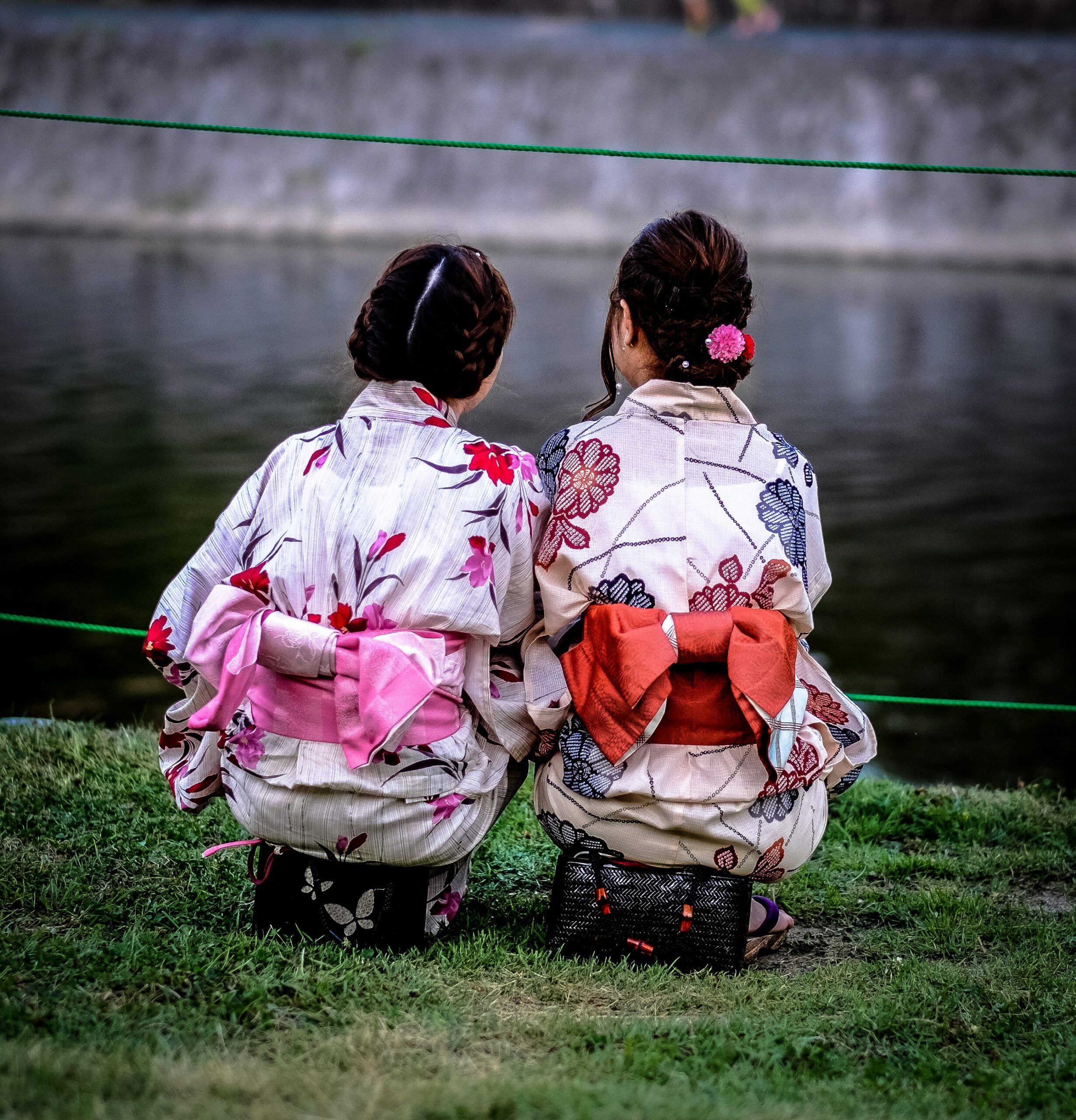
Gion district: Walking through Kyoto’s traditional heart
Kyoto is uniquely suited to life transition rituals for several reasons:
6.1. The Historical Heart of Kimono Craftsmanship
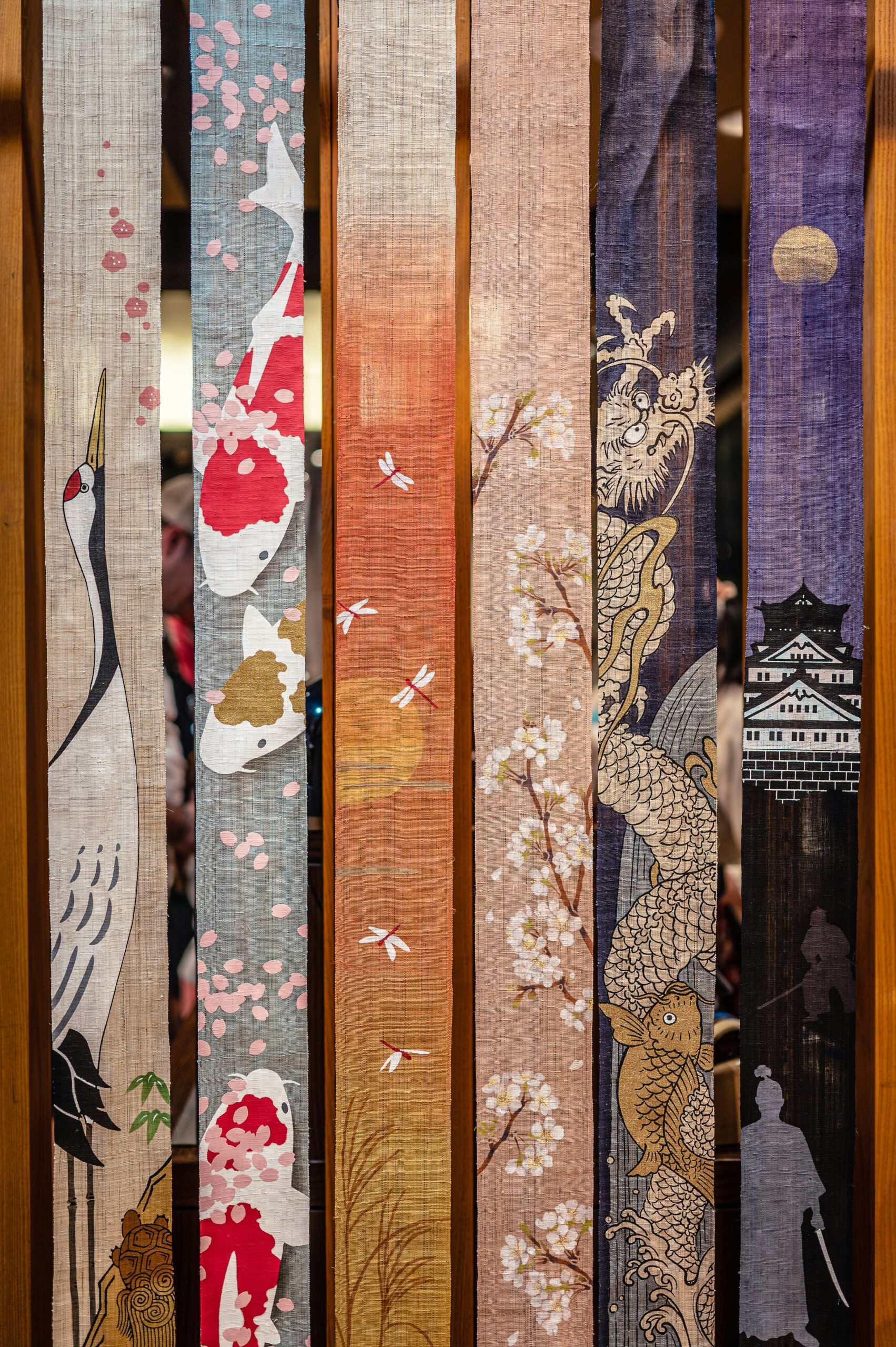
Nishijin-ori: The art of traditional Kyoto textile weaving
The Nishijin district is the birthplace of the world-famous Nishijin-ori textiles, known for their elaborate weaving and gold thread. Many ceremonial kimonos used in weddings and adulthood celebrations are still produced here.
6.2. Kyoto’s Shrines and Temples Preserve Ritual Authenticity
Because so many sacred sites remain intact, rituals feel more immersive here than anywhere else in Japan. Kyoto’s priests and shrine attendants are deeply familiar with kimono traditions, ensuring that ceremonies maintain their historical integrity.
6.3. The Seasonal Beauty of Kyoto Enhances Every Ceremony
Kyoto’s four seasons amplify the meaning of each ritual:
- Spring – cherry blossoms symbolize renewal and beginnings
- Summer – lush greenery and riverside breezes give a sense of vitality
- Autumn – fiery maple leaves represent transformation
- Winter – snow on temple roofs symbolizes purity and reflection
These natural backdrops make Kyoto’s life transition ceremonies unforgettable—not only for participants, but also for photographers capturing the moment. You can schedule a seasonal kimono shoot with AllPhotos Kyoto to fully experience this harmony of nature and tradition.
7. Practical Advice for Participating in or Observing Kimono Rituals in Kyoto
7.1. Dress Respectfully
If you plan to attend a ceremony, choose colors and patterns that match the event. Many kimono rental shops in Kyoto provide guidance on the appropriate formality level.
7.2. Be Mindful at Shrines and Temples
Kyoto’s sacred spaces require silence, clean behavior, and respect. Always follow posted signs and avoid obstructing other visitors.
7.3. Capture the Moment Thoughtfully
Photography is welcomed in many areas, but be aware of restricted zones inside temple halls. For special milestones, booking a professional session through AllPhotos Kyoto ensures respectful, beautifully composed photography.
7.4. Visit Cultural Districts Early in the Day
Popular locations like Gion, Higashiyama, and Arashiyama are best enjoyed early in the morning to avoid crowds—especially if you plan to wear kimono or take commemorative photos.
Conclusion: A Living Tradition That Connects Kyoto’s Past and Present
In Kyoto, the kimono is far more than a garment—it is a lifelong companion through the most meaningful transitions of life. From the first shrine visit of a newborn to the coming-of-age celebrations, weddings, academic milestones, and longevity rituals, kimono remains deeply woven into the city’s cultural identity.
Visitors and residents alike can experience these traditions firsthand, discovering how elegant, emotional, and spiritually rich Kyoto’s ceremonies truly are. Whether you plan to participate in a ritual or simply admire the beauty of kimono in everyday life, Kyoto offers a profound connection between heritage and the present moment.
If you wish to preserve your own Kyoto story—whether in kimono or through professional portraits—consider booking a session with AllPhotos Kyoto. Their expert team captures Kyoto’s timeless charm through photography that honors cultural authenticity and personal expression.


コメント