The Kimono and the Philosophy of the Ensō: Harmony Between Form and Emptiness in Kyoto

- Introduction: Where Fabric Meets Philosophy in Kyoto
- Understanding the Ensō: A Kyoto-Born Philosophy of Balance
- The Kimono as a Living Ensō
- Kyoto: The Ideal Place to Experience This Philosophy
- Neighborhoods in Kyoto Where Kimono and Ensō Intersect
- Seasonality: How Kyoto’s Climate Enhances the Experience
- Practical Recommendations for Experiencing Kimono Philosophy in Kyoto
- Why Photography Completes the Ensō Experience
- Kimono as Personal Meditation
- Final Thoughts: Completing the Circle in Kyoto
Introduction: Where Fabric Meets Philosophy in Kyoto
Kyoto is a city where ideas are not only taught but lived. From quiet temple corridors to narrow streets lined with machiya houses, philosophy here is woven into daily life. Among the most profound concepts born and cultivated in Kyoto is the ensō—the Zen circle that represents unity, balance, and the beauty of emptiness.
At first glance, the ensō appears simple: a single brushstroke forming a circle. Yet within that stroke lies a universe of meaning. Interestingly, this same philosophy can be found embodied in another iconic symbol of Kyoto: the kimono.
More than traditional clothing, the kimono is a physical expression of Japanese aesthetics—an art form where structure and freedom coexist, where what is not shown is just as important as what is. In Kyoto, the kimono and the ensō share a deep philosophical bond rooted in Zen thought, craftsmanship, and mindful living.
This article explores how the kimono reflects the philosophy of the ensō, why Kyoto is the ideal place to understand this harmony between form and emptiness, and how visitors and residents alike can experience it firsthand. Along the way, we will also share practical insights on where and when to experience kimono culture in Kyoto—and how to preserve these moments through photography with AllPhotos Kyoto
👉 https://allphoto-kyoto.com/
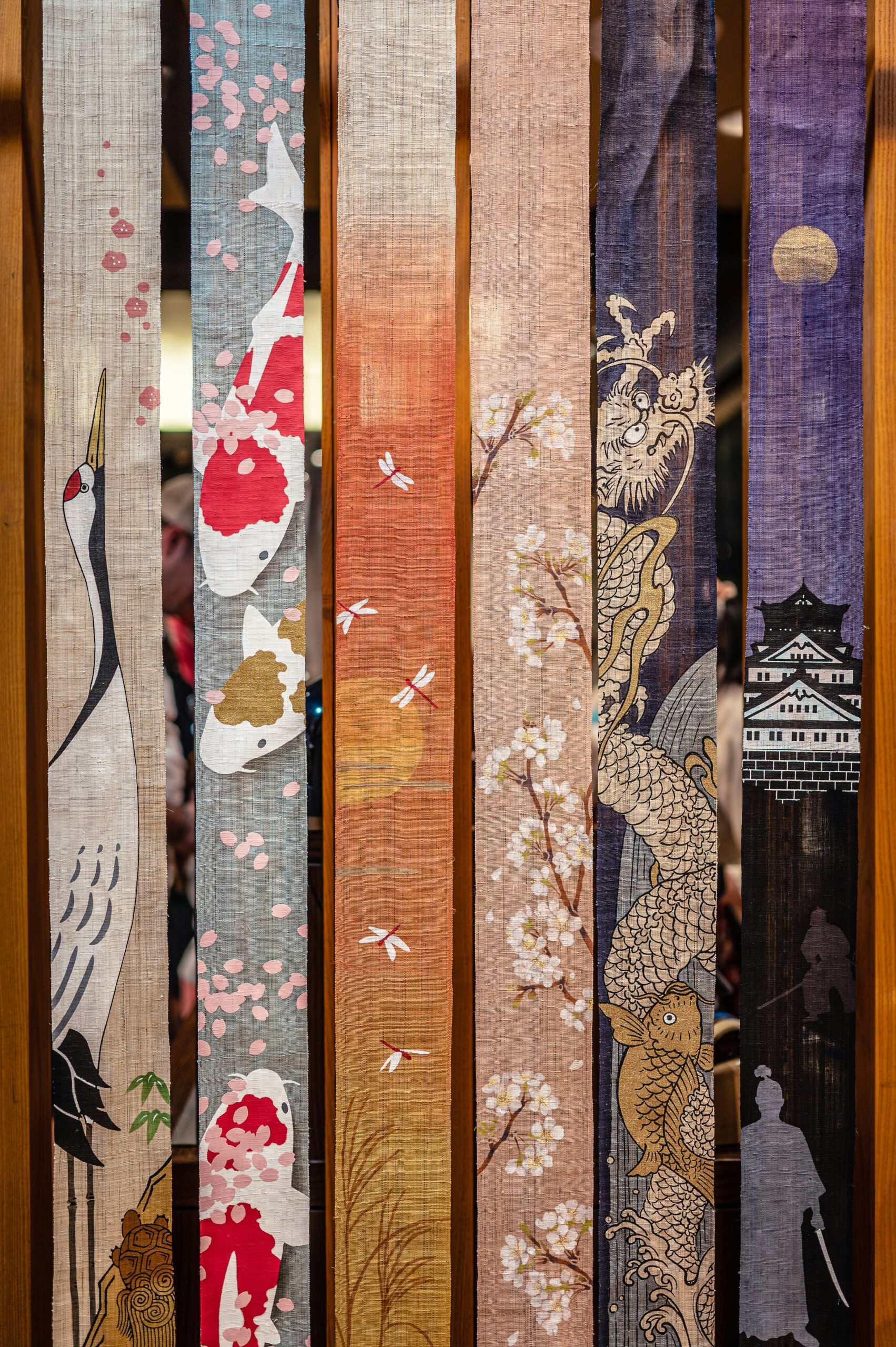
Understanding the Ensō: A Kyoto-Born Philosophy of Balance
What Is the Ensō?
The ensō (円相) is a sacred symbol in Zen Buddhism, traditionally painted in a single, unbroken brushstroke. It represents:
- Wholeness and incompleteness
- Form and void
- Movement and stillness
- The present moment
Kyoto, as the historical heart of Japanese Zen, has been a central place for the teaching and contemplation of the ensō for centuries. Zen temples across the city—particularly those in eastern Kyoto—have long used the ensō as a teaching tool, emphasizing that perfection lies not in flawlessness but in authenticity.
The brushstroke itself matters more than the final image. The space inside the circle—the emptiness—is just as meaningful as the ink that defines it.
The Kimono as a Living Ensō
Form: Structure, Lines, and Intention
At its core, the kimono is constructed from straight lines and rectangular panels. Unlike Western clothing, it does not aim to sculpt the body. Instead, it creates a framework, allowing the wearer to inhabit the garment rather than be defined by it.
This intentional simplicity mirrors the ensō’s single stroke. Every fold, layer, and tie has purpose. Nothing is accidental.
In Kyoto, kimono design has historically emphasized restraint and refinement. Subtle color palettes, seasonal motifs, and quiet elegance reflect Zen principles cultivated in the city’s temples and artisan districts.
Emptiness: Space, Movement, and Meaning
What makes the kimono truly philosophical is not only its structure, but the space it creates:
- Space between fabric and body
- Space between movement and stillness
- Space for interpretation
Just like the empty center of the ensō, the kimono allows room—for breath, for gesture, for individuality. The wearer completes the garment through posture and motion.
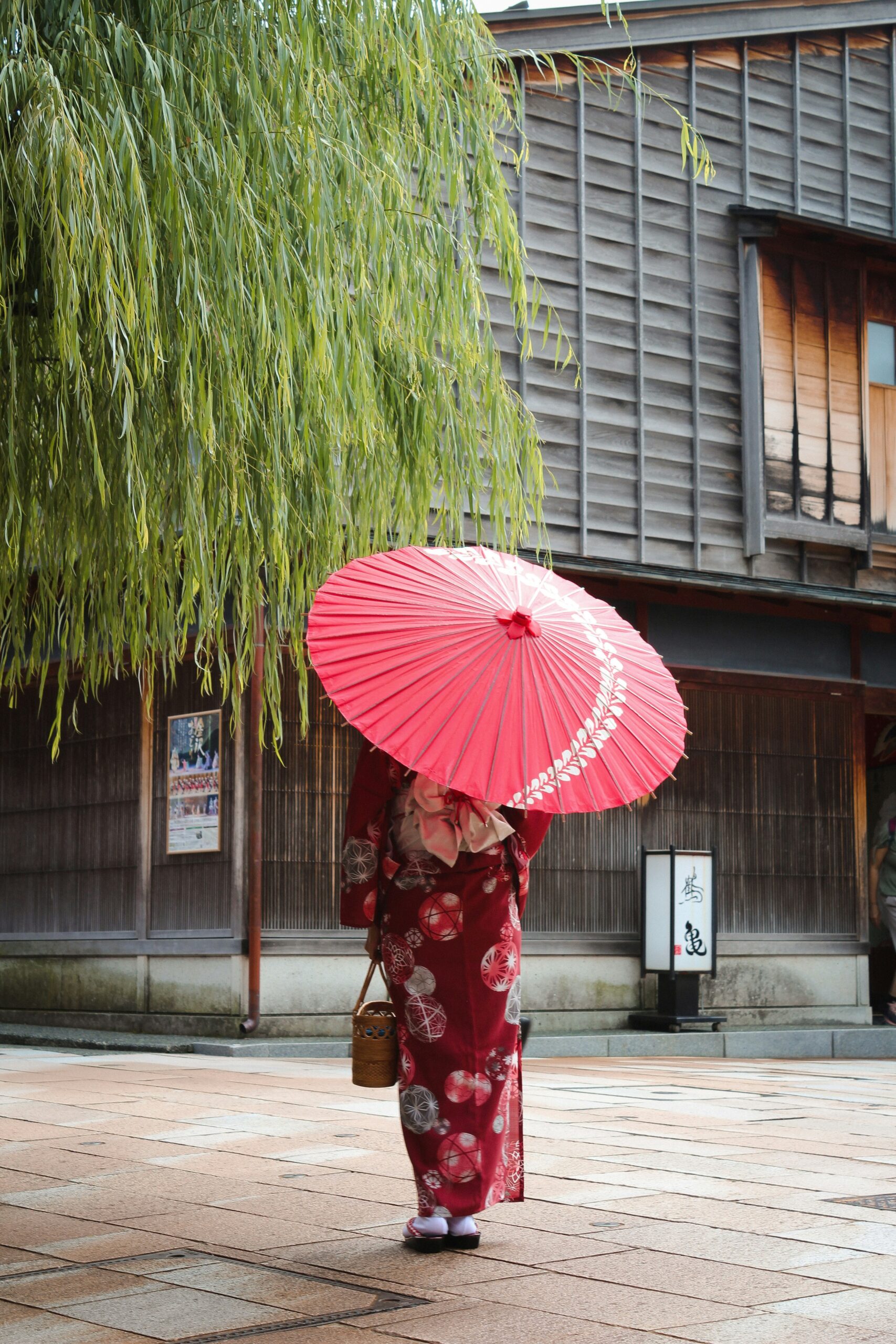
Walking through Kyoto in a kimono, especially in quieter neighborhoods, becomes a form of moving meditation.
Kyoto: The Ideal Place to Experience This Philosophy
Why Kyoto and Nowhere Else
Kyoto is not simply a backdrop for kimono culture—it is its living archive. Generations of dyers, weavers, and tailors refined their craft here, often influenced directly by Zen aesthetics.
Unlike busier urban centers, Kyoto still offers:
- Walkable historical districts
- Traditional architecture in daily use
- Seasonal rhythms deeply respected
This makes Kyoto the perfect place to experience the kimono not as costume, but as philosophy.
Neighborhoods in Kyoto Where Kimono and Ensō Intersect
Gion: Controlled Beauty and Silent Discipline
Gion is known for its refined atmosphere. Wearing a kimono here highlights the balance between visibility and restraint—a key ensō concept.
Stone-paved streets, wooden façades, and evening lantern light create an environment where minimal movement feels intentional. The kimono does not compete with the surroundings; it harmonizes with them.
Capturing this harmony through photography allows you to preserve the moment beyond memory. Many visitors choose to book a professional kimono photoshoot with AllPhotos Kyoto to document this rare balance of form and emptiness in Gion’s timeless streets.
👉 https://allphoto-kyoto.com/
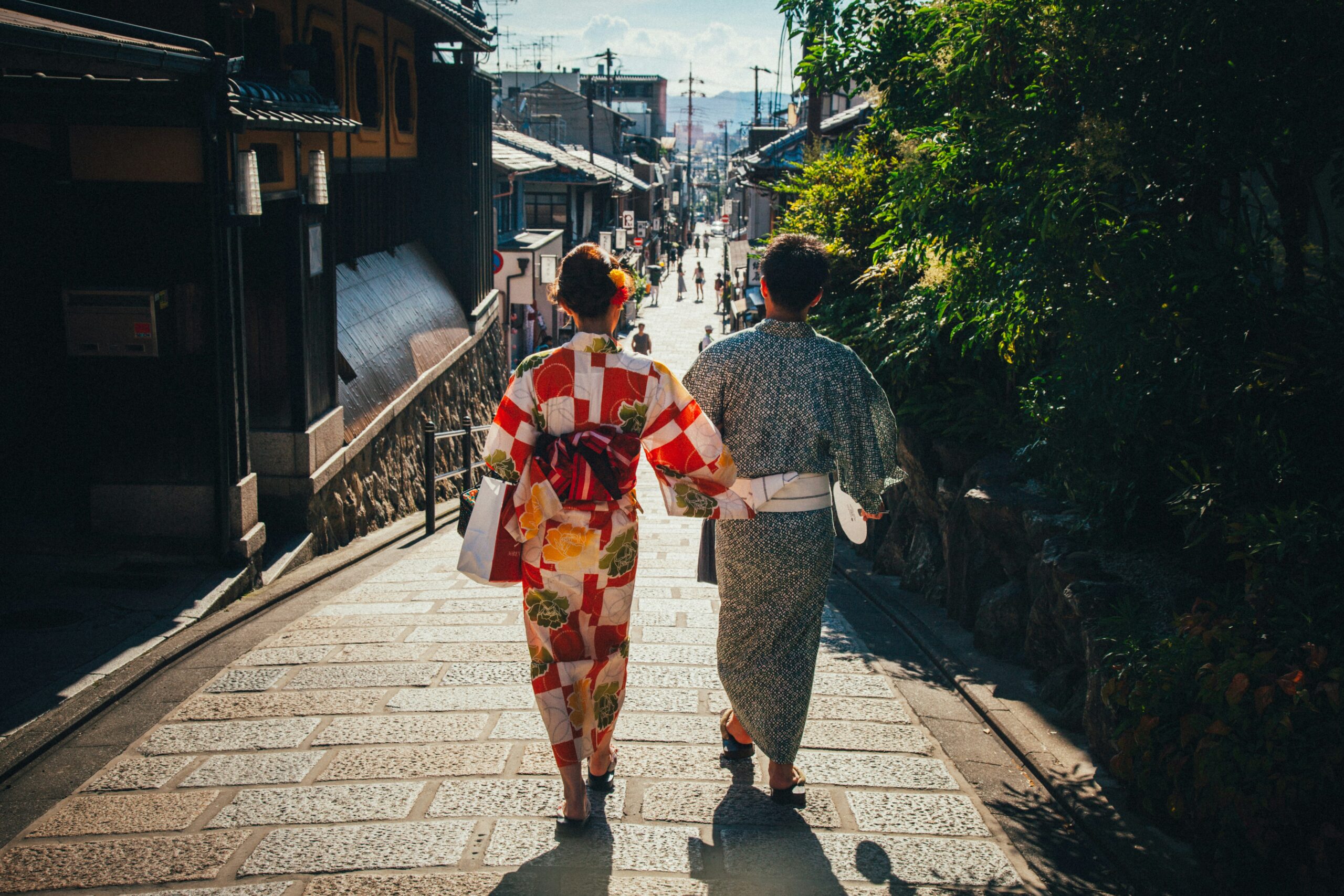
Higashiyama: Walking Meditation
Higashiyama’s sloping streets encourage slower movement. The act of walking uphill in a kimono naturally changes posture, breathing, and awareness.
Here, the ensō philosophy becomes physical:
- Each step is deliberate
- Each pause has meaning
- Silence becomes presence
This district is ideal for early morning walks in kimono, when the city feels most contemplative.
Philosopher’s Path: Emptiness Made Visible
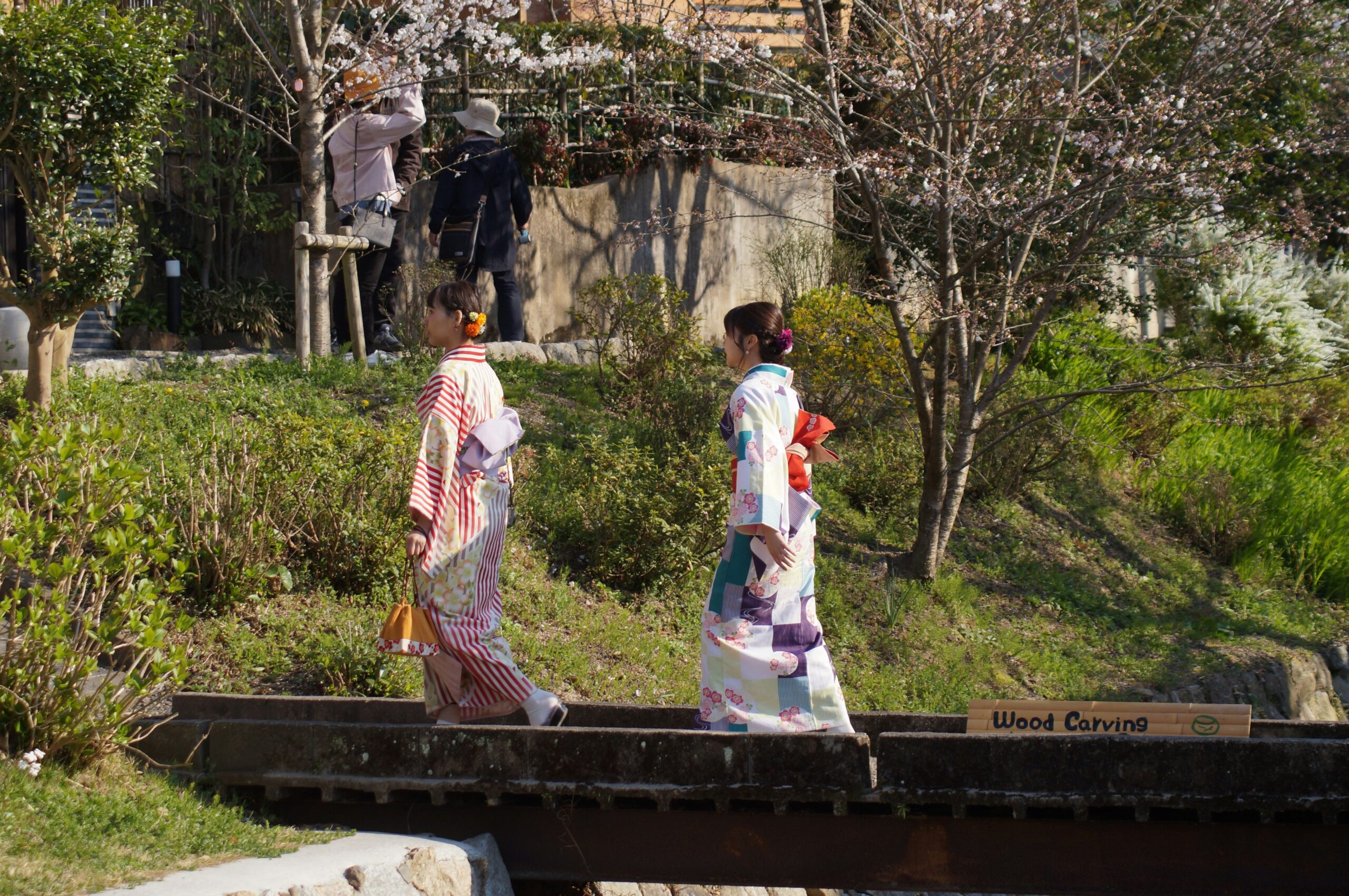
Though not named here directly for its Zen symbolism, this canal-side walkway embodies ensō principles perfectly. The repetition of stepping stones, flowing water, and open sky mirrors the circle’s continuous flow.
Wearing a kimono along this path emphasizes continuity—between body, fabric, and environment.
Seasonality: How Kyoto’s Climate Enhances the Experience
Spring: Renewal and Softness
Spring in Kyoto brings gentle light and subtle colors. Kimono fabrics become lighter, patterns quieter. This season aligns beautifully with the ensō’s sense of beginning without urgency.
Cherry blossoms frame the wearer, yet the kimono’s elegance prevents visual overload. The balance feels natural.
Summer: Embracing Lightness
Kyoto summers are warm, encouraging slower movement. Summer kimono styles emphasize airflow and simplicity, making emptiness a physical necessity rather than an abstract idea.
Shaded streets and evening walks become moments of stillness within motion.
Autumn: Impermanence and Depth
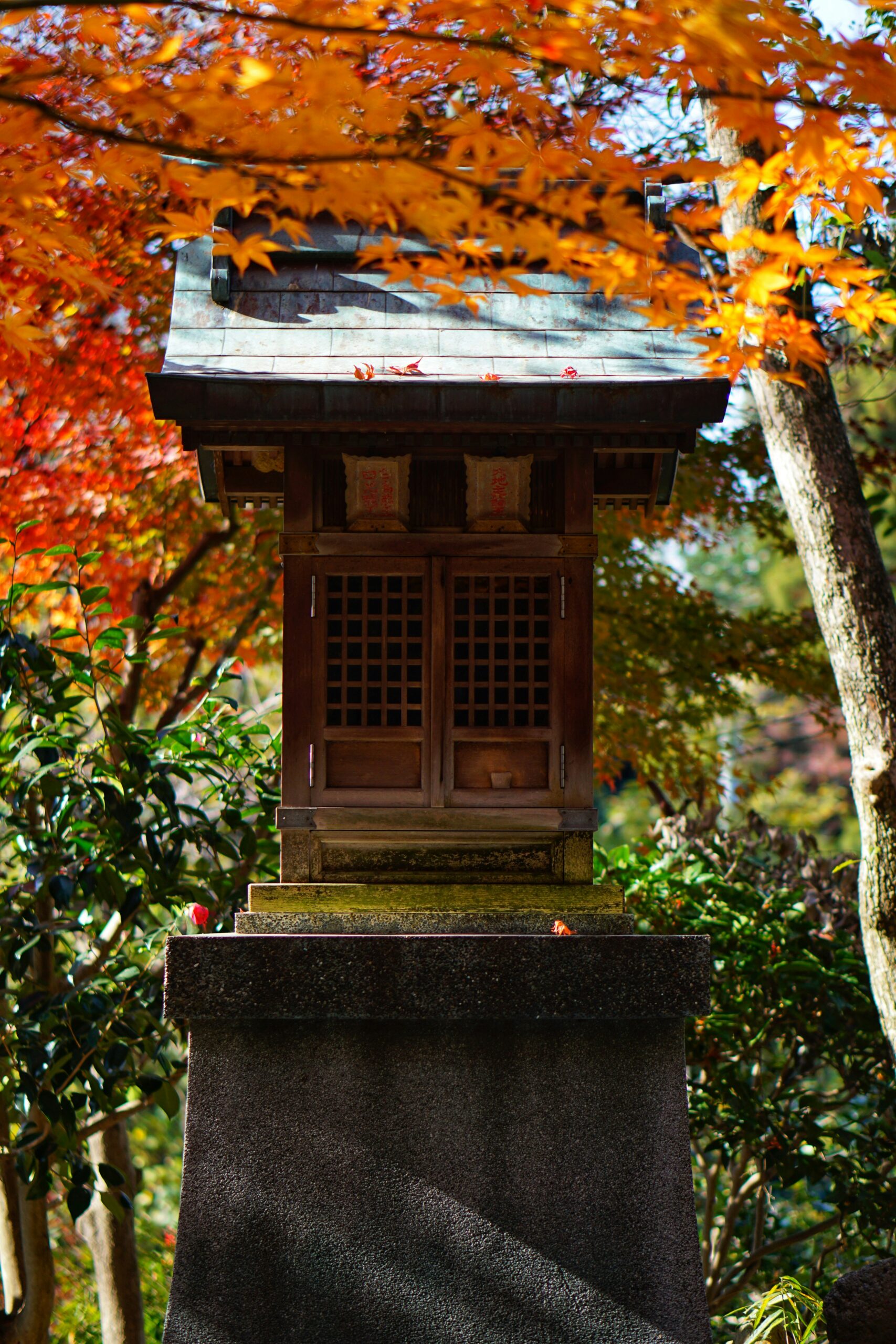
Autumn may be the most philosophical season. Falling leaves echo Zen teachings of impermanence. Kimono colors deepen, patterns grow more symbolic.
Photographing kimono in autumn Kyoto captures the ensō’s message perfectly: beauty exists because it fades.
Winter: Silence and Form
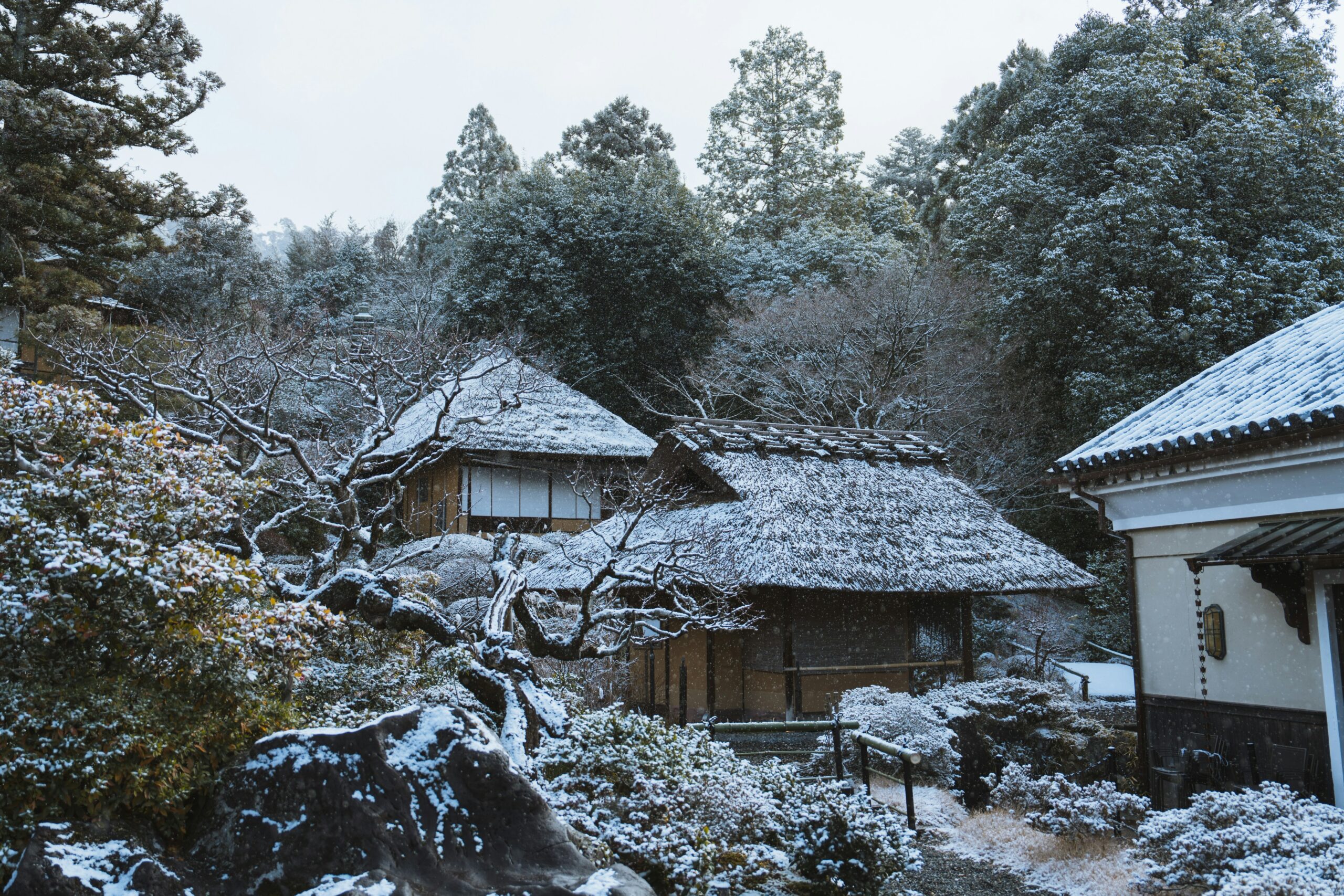
Winter strips Kyoto down to essentials. In colder months, kimono layers emphasize structure, while the city itself becomes quieter.
This is when form dominates—and emptiness becomes more noticeable than ever.
Practical Recommendations for Experiencing Kimono Philosophy in Kyoto
- Choose simplicity over extravagance: Subtle colors reflect Zen aesthetics better.
- Move slowly: The kimono teaches you how.
- Avoid crowded times: Early mornings offer the best atmosphere.
- Observe posture: Standing and walking are part of the experience.
- Document thoughtfully: Philosophy fades without memory.
Many visitors find that working with a local photography team like AllPhotos Kyoto allows them to remain fully present while their experience is preserved professionally.
👉 https://allphoto-kyoto.com/
Why Photography Completes the Ensō Experience
Just as the ensō captures a moment of presence, photography freezes a lived philosophy. In Kyoto, kimono photography is not about posing—it’s about alignment.
A well-composed photograph mirrors the ensō:
- Subject and background in harmony
- Space respected, not filled
- Emotion implied, not forced
This is why mindful travelers often discover kimono photography experiences in Kyoto through AllPhotos Kyoto, where the focus is on authenticity rather than spectacle.
👉 https://allphoto-kyoto.com/
Kimono as Personal Meditation
For residents of Kyoto, wearing kimono—even occasionally—can become a personal ritual. It slows daily routines and invites awareness.
The ensō is not something to understand intellectually; it is something to feel. The kimono provides that opportunity in a tangible way.
Final Thoughts: Completing the Circle in Kyoto
The ensō teaches that completion does not require perfection. The kimono teaches that beauty does not require excess. Kyoto teaches both—quietly, patiently, and generously.
To walk Kyoto in a kimono is to step inside a living philosophy. To photograph that moment is to honor it.
Whether you are visiting Kyoto for the first time or rediscovering it as a resident, experiencing the kimono through the lens of the ensō offers a deeper connection to the city.
To learn more, reserve a kimono photography experience, or discover how to capture your own moment of harmony in Kyoto, visit AllPhotos Kyoto:
👉 https://allphoto-kyoto.com/


コメント