Watching Snow Fall Over Kyoto’s Temples in Kimono: Living Aesthetics and Modern Poetry
Kyoto is a city where the past breathes through every wooden corridor, every vermilion shrine gate, and every quiet garden shaped by centuries of philosophy. But among all its seasonal transformations, winter offers one of the most enchanting and poetic experiences imaginable: watching snow fall over Kyoto’s temples while wearing a kimono. It is an encounter with beauty that feels suspended in time—a living poem expressed not through words, but through atmosphere, movement, texture, and silence.
For travelers and Kyoto locals alike, experiencing winter in kimono beneath drifting snow is more than a photo opportunity. It is a cultural immersion into aesthetics such as yūgen (mysterious depth), mono no aware (poignant impermanence), and wabi-sabi (beauty in simplicity), all of which define Kyoto’s identity. This article explores the historical backdrop, the best spots in Kyoto to witness snow-kissed temples, practical kimono tips, and how to plan a serene winter exploration of this ancient capital. Along the way, you’ll find invitations to enhance your experience through AllPhotos Kyoto—a local photography and kimono experience service based right in the heart of the city: https://allphoto-kyoto.com/ .
Whether you’re a first-time visitor or someone who has called Kyoto home for years, winter in kimono will reveal the city in a new, deeply poetic light.
- The Cultural Weight of Snow in Kyoto’s Aesthetic Tradition
- Where to Experience Snowfall Over Temples in Kyoto
- When Does It Snow in Kyoto? Understanding the Season
- Wearing Kimono in the Snow: Practical Tips
- Creating Your Own Poetic Kyoto Moment
- Why This Experience Belongs to Kyoto Alone
- Conclusion: Let Kyoto’s Winter Become Your Own Living Poem
The Cultural Weight of Snow in Kyoto’s Aesthetic Tradition
Snow as Symbolism in Classical Kyoto
In Kyoto’s classical literature and poetry, snow (yuki) frequently appears as a metaphor for purity, reflection, and quiet clarity. Poets of the Heian and Edo periods often used winter landscapes to express themes of impermanence and introspection. Temples like Kiyomizu-dera, Ginkaku-ji, and Rokuharamitsu-ji appear in centuries-old poems precisely because snow alters their appearance so dramatically—transforming familiar lines and shadows into abstract forms, like ink strokes washed with white.
For Kyoto artists and philosophers, snow reveals the essence of a place. It strips away distractions and reduces the world to contrasts: black branches, white rooftops, vermilion gates, soft pale skies. Wearing a kimono in this serene environment resonates strongly with the city’s traditions, blending the layers of fabric with the layers of landscape.
Kimono and Winter Rituals in Kyoto
While kimono is worn year-round, winter kimono styles in Kyoto historically emphasized:
- Thicker, lined fabrics for warmth (awase)
- Seasonal motifs such as pine, plum blossoms, cranes, bamboo, snow rabbits, or fans
- Obi colors inspired by winter skies—deep blues, silver, charcoal, soft pastels
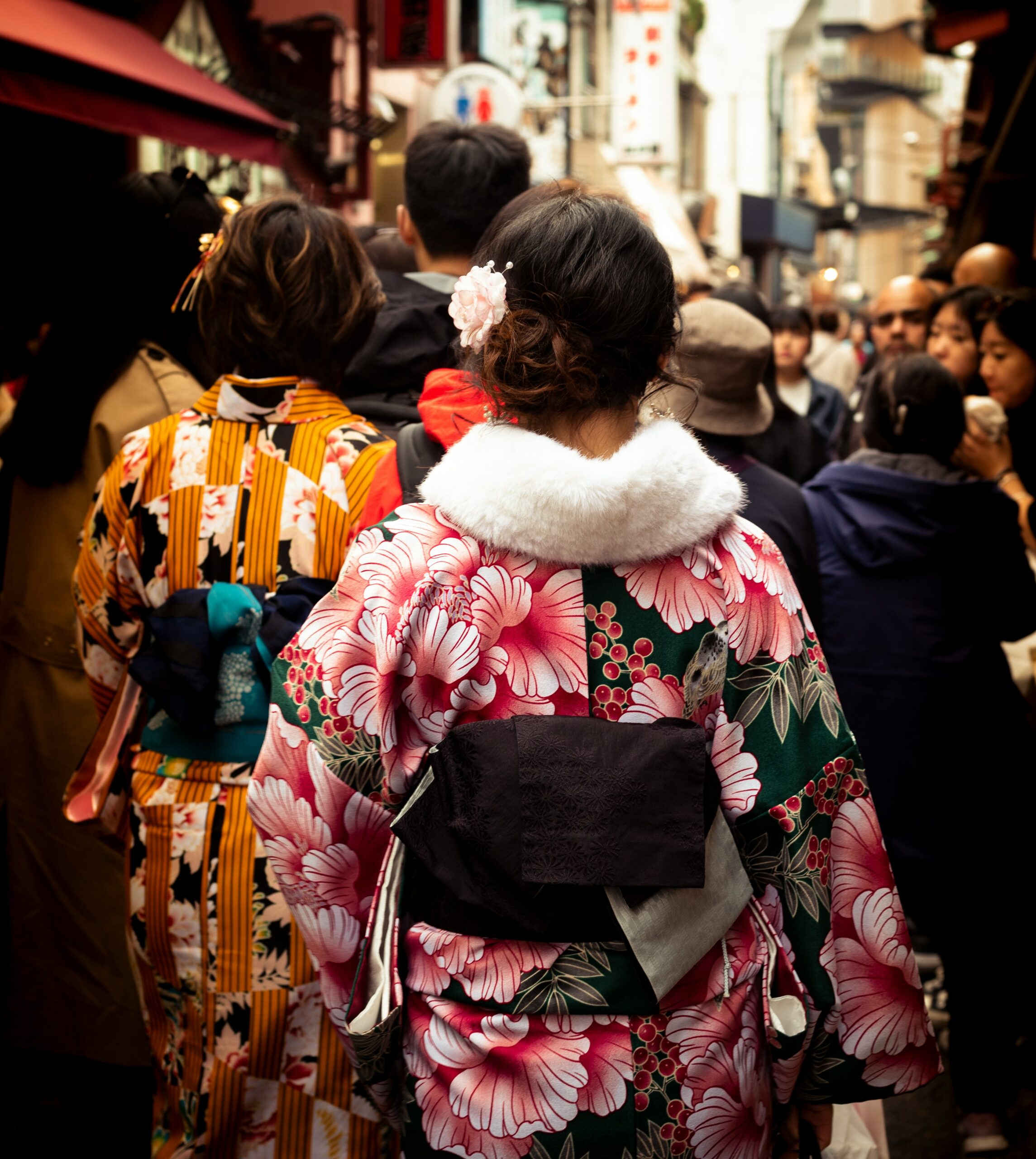
- Fur shawls or haori jackets for added comfort outdoors
These seasonal customs remain alive today, and being dressed in a winter kimono at a historic Kyoto temple covered in snow allows you to feel connected to rituals that have existed for centuries.
For those who want professional dressing assistance or a full photo experience, AllPhotos Kyoto offers a curated kimono experience designed specifically for Kyoto’s landscapes. You can discover or reserve your session here: https://allphoto-kyoto.com/ .
Where to Experience Snowfall Over Temples in Kyoto
Kyoto’s snowfall is delicate, often brief, and occasionally unpredictable. But when it arrives, the city’s cultural districts transform into living ink paintings. Below are some of the most iconic and atmospheric places to see snow falling over temples—locations that offer both stunning views and smooth walking routes ideal for kimono.
1. Kiyomizu-dera and the Higashiyama Slopes
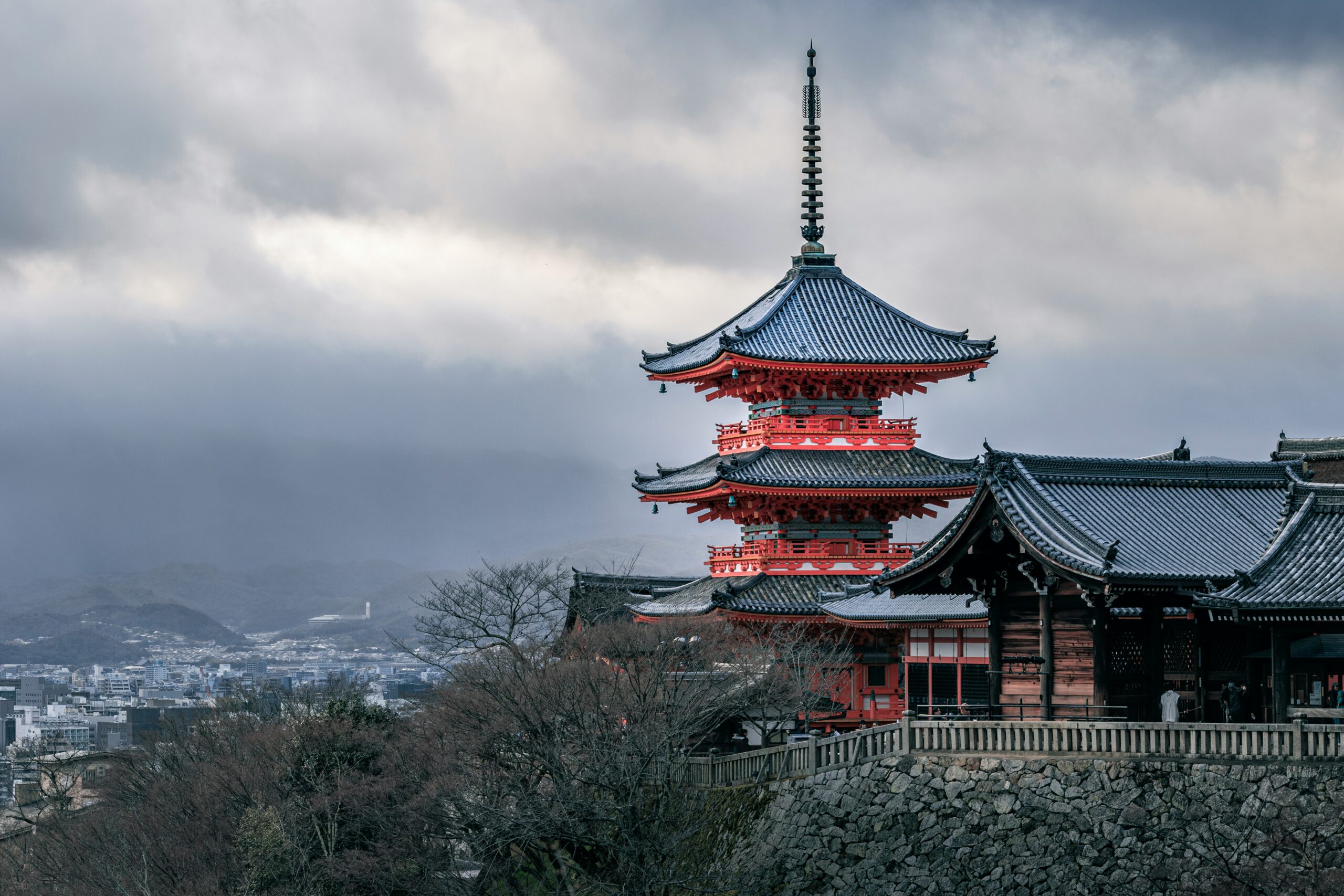
Few places in Kyoto feel as cinematic under snowfall as Kiyomizu-dera, perched on the hillside overlooking the city. When snow collects on its massive wooden stage, the contrast between the dark beams and white powder creates one of Kyoto’s classic winter scenes.
Why it’s perfect for a kimono experience
- Wide paths ideal for slow walking in kimono
- Charming slopes like Sannenzaka and Ninenzaka become even more nostalgic under snow
- Tea houses offer warm breaks between photos
Visitors often describe the feeling as “walking through a historical drama set.” If you want photographs that capture the full elegance of kimono against snowy wooden streets, this district is unbeatable.
📸 Tip: For a professional photography session amid the snowfall, you can book a Kyoto winter photoshoot with AllPhotos Kyoto: https://allphoto-kyoto.com/ .
2. Gion Shirakawa: Snow Over the Willow-lined Canal
Gion is deeply associated with geisha and traditional arts, but under snow, its quiet pockets—especially around Shirakawa—take on a softly muted beauty. The willow branches droop under snowflakes, bridges turn white, and the narrow lanes become a perfect corridor for slow kimono strolling.
What makes it special
- Natural winter illumination even during the day
- Gentle canal reflections
- Close proximity to restaurants for cozy breaks
- Kimono stands out beautifully against the muted tones of Gion’s wooden machiya townhouses
This is also an accessible area for locals wanting to enjoy a snowy Kyoto morning before work or school.
If you’d like polished winter Gion portraits or a kimono rental upgrade, you can learn more through AllPhotos Kyoto: https://allphoto-kyoto.com/ .
3. Yasaka Shrine: Vermilion Gates Under White Snow
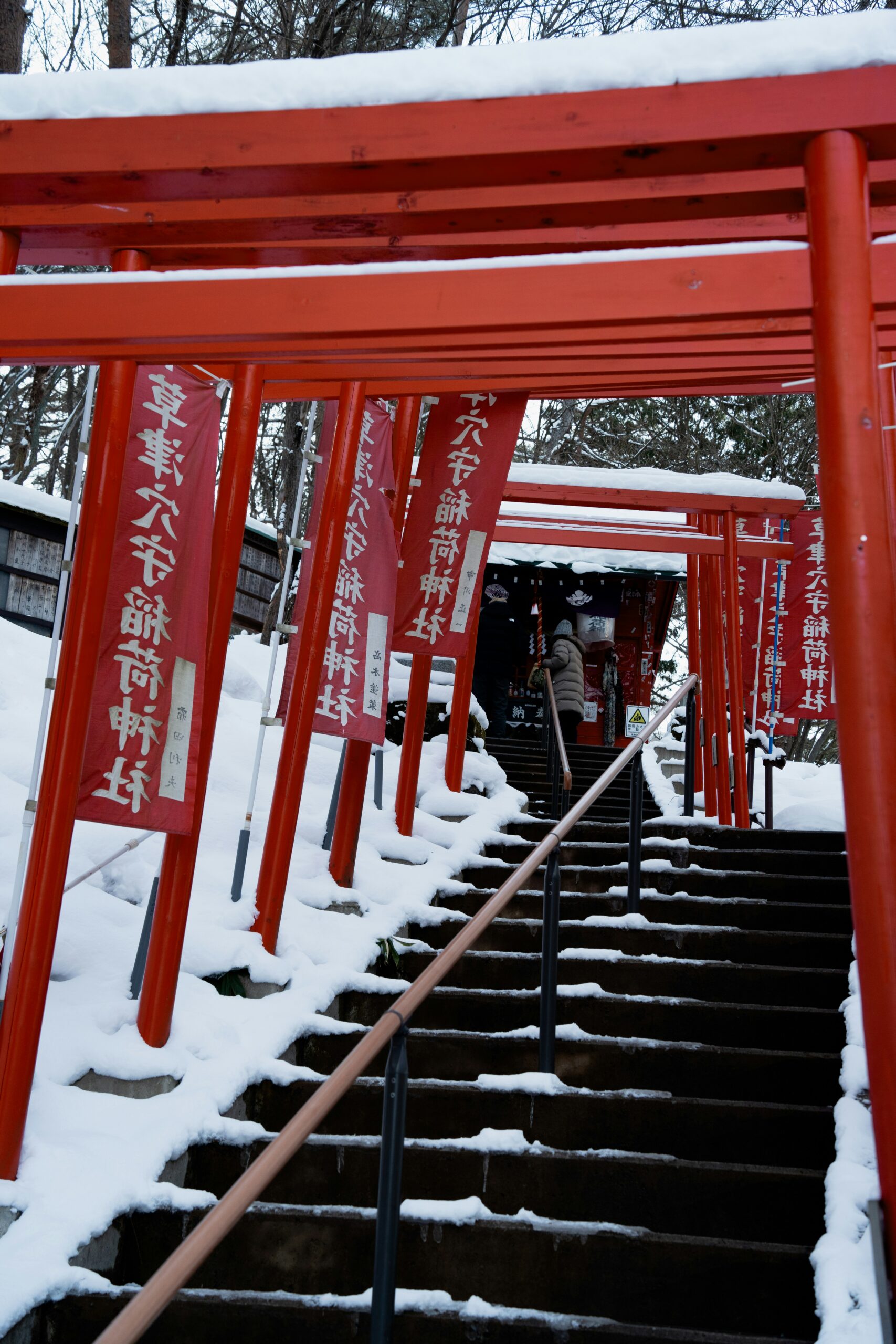
At the heart of Higashiyama, Yasaka Jinja remains open 24 hours and frequently sees its vibrant vermilion structures delicately dusted in fresh snow. The contrast is breathtaking—bright shrine colors meeting the pure winter palette.
Reasons to visit in winter
- Easy access from Gion
- Stunning color contrast for photography
- Sacred atmosphere intensified by snowfall
Wear a kimono with deep red or soft ivory tones to harmonize beautifully with the shrine’s winter surroundings.
4. Nanzen-ji and Its Stone Aqueduct
Nanzen-ji is known for its massive wooden gate and the iconic brick aqueduct that arcs through the temple grounds. Under snowfall, the suirokaku aqueduct creates a surreal blend of Western-style brick design and Kyoto’s spiritual landscape.
Winter appeal
- Unique arches that frame portrait photos
- Quiet paths ideal for reflective walks
- Garden stones and moss covered softly by snow
It’s an ideal location for winter kimono photography or meditative visits.
5. The Philosopher’s Path and Snowy Zen Temples
The stone path connecting Ginkaku-ji to smaller temples such as Honen-in becomes one of Kyoto’s most peaceful winter routes. Snow gathers on the stone canal, tree branches, and simple wooden architecture of the Zen temples.
Highlights
- Extremely photogenic bridges and curves
- Perfect for early morning walks
- A sense of poetic solitude rarely found in busier seasons
If you plan to wear kimono here, choose comfortable zori footwear and bring a warm shawl—snowy stone paths can feel colder than bustling areas like Gion.
6. Arashiyama’s Temples in a Misty Snowfall
While Arashiyama is known for its bamboo grove, its temples such as Tenryu-ji and the surrounding gardens become ethereal in winter snow. The hills behind Arashiyama often collect snow before central Kyoto does, making this one of the earliest places to experience the season.
What makes Arashiyama magical in winter
- Snowy temple gardens reflecting on still ponds
- Light mist rolling from the Katsura River
- Quieter atmosphere compared to cherry blossom season
A kimono photoshoot here feels particularly serene. You can explore kimono and photography options through AllPhotos Kyoto: https://allphoto-kyoto.com/ .
When Does It Snow in Kyoto? Understanding the Season
Kyoto winters are colder than many expect, especially because the basin geography traps chilly air. Snowfall typically occurs between:
- Late December
- January (most common)
- Early February
While heavy snow is rare, light or moderate snowfall happens multiple times each winter, often early in the morning. Storms can arrive suddenly, covering rooftops and gardens before melting by afternoon.
Best times to catch snowfall
- Early morning (6–9 AM) after a cold night
- During predicted cold snaps on weather apps
- Days with temperatures around 0°C or slightly below
Locals know the thrill of opening their shoji screens to a totally transformed, white-dusted city. If you’re visiting Kyoto, consider booking flexible photoshoot or sightseeing times so you’re ready when snow appears.
Wearing Kimono in the Snow: Practical Tips
Walking in kimono under snowfall is magical—but it’s also a skill. Below are recommendations to stay warm, safe, and comfortable during your winter Kyoto adventure.
1. Choose the Right Winter Kimono
Look for:
- Awase kimono (lined)
- Haori coats or warm shawls
- Seasonal motifs
- Proper layering
Many kimono rental shops in Kyoto provide winter options, but for a carefully curated and photograph-ready selection, you may explore or reserve a set with AllPhotos Kyoto: https://allphoto-kyoto.com/ .
2. Keep Warm With Smart Layering
Under-kimono layers make all the difference:
- Thermal undergarments
- Warm tabi socks
- Optional leggings (thin enough to avoid bulk)
- Hand warmers tucked into sleeves
Kimono sleeves naturally act like tiny pockets that warm your hands when you cross your arms—a traditional winter gesture seen often in Kyoto.
3. Footwear Tips: Zori in the Snow
Zori sandals can be worn in the snow if you:
- Use non-slip soles
- Walk with small, careful steps
- Avoid icy slopes
Paths around temples like Nanzen-ji and Ginkaku-ji are usually well maintained, but Sannenzaka can become slippery. Wearing a haori helps keep balance by adding extra warmth.
4. Protecting Your Kimono From Moisture
Snow that gently falls on sleeves looks beautiful, but:
- Brush snow off regularly
- Avoid contact with melting puddles
- Carry a small cloth inside your obi bag
Rental shops understand winter concerns and often provide useful accessories like umbrellas or shawls.
5. Photography Tips
Snow offers one of the most flattering lighting conditions for kimono:
- Cloudy skies create diffused, soft light
- Snow brightens shadows
- Kimono colors appear richer
- Movement becomes lyrical as flakes fall
For travelers who want professional documentation of this ephemeral beauty, AllPhotos Kyoto offers full winter photoshoot packages with experienced photographers who know exactly where snow lingers longest in Kyoto’s temple districts. Learn more at: https://allphoto-kyoto.com/ .
Creating Your Own Poetic Kyoto Moment
Watching snow fall over Kyoto’s temples in kimono is not just sightseeing—it is a lived poem. Every step crunches softly. Every breath becomes a small cloud. Every temple bell echoes differently in winter air. This combination of setting, tradition, and weather creates a memory so vivid that even years later, people describe it with the same emotional tone as a haiku.
Suggested Itinerary for a Snowy Kimono Day
If the forecast predicts snow, try the following route for an unforgettable experience:
- Start in Gion (Shirakawa, early morning light)
- Walk to Yasaka Shrine for the first snowfall photos
- Continue to Kiyomizu-dera via Sannenzaka slopes
- Warm up at a tea house overlooking the snowy streets
- Take a taxi to Nanzen-ji for quiet afternoon scenes
- End your day along the Philosopher’s Path as snow settles on the canal
Along this route, kimono blends seamlessly with Kyoto’s winter palette, and each location expresses a different nuance of seasonal beauty.
If you want a guided or photography-supported version of this itinerary, you can book winter kimono and photo packages directly with AllPhotos Kyoto: https://allphoto-kyoto.com/
Why This Experience Belongs to Kyoto Alone
Kyoto’s harmonious blend of ancient temples, wooden districts, and natural landscapes makes snowfall uniquely emotional here. The city preserves architectural lines that respond visually to snow: curved rooftops, moss gardens, stone lanterns, vermilion gates, Zen patterns in sand. Wearing kimono in this setting connects you to centuries of winter travelers, poets, and worshippers who also admired Kyoto under snow.
Kyoto is not simply a place—it is an atmosphere shaped by tradition, ritual, and subtle seasonal cues. Snow enhances all of them at once.
Conclusion: Let Kyoto’s Winter Become Your Own Living Poem
To experience snow falling over Kyoto’s temples while wearing a kimono is to step into a timeless aesthetic world. It is peaceful, contemplative, and profoundly beautiful—an encounter that blends nature, culture, and personal emotion. Kyoto provides the perfect stage for this moment, inviting you to slow down and appreciate beauty as it unfolds gently around you.
If you’re ready to create your own poetic winter memory in Kyoto—or capture it through an unforgettable photoshoot—you can explore kimono dressing, photography packages, and full experiences with AllPhotos Kyoto here: https://allphoto-kyoto.com/ .
Let the snow fall, let the old temples breathe around you, and let Kyoto show you beauty that feels like poetry.


コメント