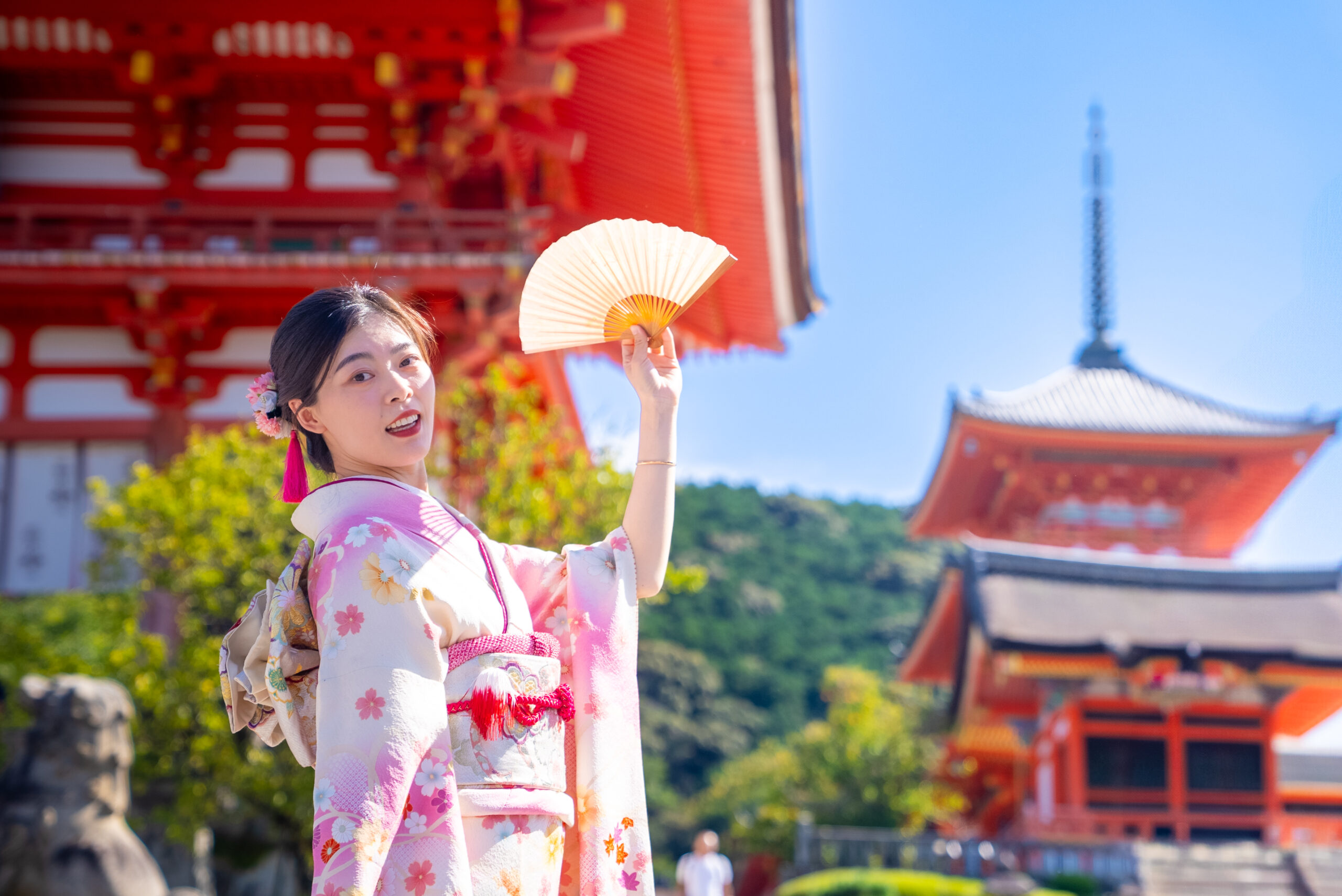
Discover why early morning in Gion is the best time to experience old Kyoto. Walk quiet streets, capture soft morning light, and enjoy Kyoto before the crowds arrive.”
Why Early Morning Gion Feels Completely Different
The silence you can’t find later in the day
Gion before sunrise doesn’t feel like the same place most travelers see.
The streets are quiet enough to hear your own footsteps, and the usual background noise of Kyoto—tour groups, traffic, camera shutters—is simply gone.
Hanamikoji, which later fills up with people pausing for photos, becomes a long, empty stretch of wooden facades. The lanterns are still on. Delivery carts pass by slowly. A local resident sweeps the entrance of a shop that won’t open for hours. These small movements stand out because nothing else is competing for attention.
This kind of quiet is rare in central Kyoto. It’s not staged or protected by gates or ticket counters. It just happens naturally, in that short window before the city fully wakes up. Walking through Gion at this hour feels less like sightseeing and more like observing daily life from a respectful distance.
And there’s no pressure to rush.
No one is waiting behind you. No one steps into your frame. You can stop, look around, and let the atmosphere settle.
How the light changes the atmosphere of old Kyoto
The light in early morning Gion does something special. It’s soft, low, and slightly cool, especially in winter or early spring. Shadows stretch longer, and the textures of wood, stone, and paper screens become more visible.
As the sun rises, it doesn’t flood the streets all at once. It filters in slowly between buildings, catching the edges of roofs and the curves of narrow alleys. Even familiar streets look different under this kind of light—quieter, calmer, almost suspended in time.
For photographers, this is the moment when Gion feels most honest. No harsh contrasts. No midday glare. Just gentle light that works with the architecture instead of overpowering it.
But even without a camera, the change is noticeable.
The air feels cleaner. The pace slows down. Kyoto’s old district shows a side that often gets lost once the day begins.
This is why early morning Gion leaves such a strong impression.
It’s not about seeing more places—it’s about seeing the same place, differently.
Who Early Morning Gion Is Perfect For
Travelers who want Kyoto without crowds
If crowded streets aren’t your thing, early morning Gion makes a lot of sense.
By the time tour buses arrive and shops open, the atmosphere shifts completely. Earlier than that, the district feels open and unclaimed.
This is especially helpful for first-time visitors who want to understand what Gion actually is, not just how it looks in photos. Without the noise and movement, it’s easier to notice the scale of the streets, the rhythm of the buildings, and how compact everything really is.
You don’t need a strict plan. A slow walk, a few turns down side alleys, and some time to pause is usually enough. The experience feels personal, even though you’re in one of Kyoto’s most famous areas.
Photographers chasing soft light and empty streets
Early morning is when Gion works with the camera instead of against it.
No crowds to crop out. No waiting for a clean frame. Just open space and gentle light.
Even simple shots—lanterns, doorways, street signs—feel more intentional when nothing interrupts the scene. Reflections on wet stone after rain, a single bicycle leaning against a wall, steam rising from a nearby kitchen. These details disappear quickly once the day gets busy.
Tripods aren’t always necessary. The light is calm, not harsh, and the lack of movement makes handheld shooting easier. It’s also the easiest time to be respectful while taking photos, since you’re not navigating around people or blocking paths.
Visitors staying only a short time in Kyoto
When your schedule is tight, early morning can feel like bonus time.
You’re using hours that might otherwise be lost to travel or preparation.
Gion is compact enough to explore in an hour or two, especially before crowds slow everything down. That leaves the rest of the day open for temples, shopping, or moving on to another area of the city.
For travelers staying nearby—or those willing to wake up a little earlier—this time slot often becomes the most memorable part of the trip. Not because you saw more, but because you experienced Kyoto at its quietest.
What You Can Actually Do in Gion Before the Crowds Arrive
Walking Hanamikoji while shops are still closed
Hanamikoji Street in the early morning feels almost private.
The wooden facades line up neatly, shutters still down, lanterns glowing faintly from the night before. Without open storefronts pulling attention, the street’s structure becomes the focus.
This is the best time to walk slowly, without a destination in mind. Side alleys that usually get skipped suddenly feel inviting. You can step aside, look back down the street, and notice how narrow it really is. No one is rushing you along.
It’s also when the area feels most balanced—part residential, part historic district. You’re not interrupting business, just passing through as the neighborhood begins its day.
Visiting shrines and temples in near-total quiet
Small shrines around Gion are often open early, and in the morning they feel especially calm. The absence of crowds changes how these places feel. You hear the wind, distant footsteps, maybe a bell in the distance.
There’s time to pause, even if you’re not staying long. A short visit in silence often feels more meaningful than a longer one later in the day. You’re not waiting your turn. You’re not watching the clock.
This is also when respectful behavior comes naturally. Voices stay low. Movements slow down. The space itself encourages a quieter presence.
Enjoying Kyoto’s streets without rushing
Early morning removes the usual pressure to keep moving.
No tour schedules. No reservations. No lines forming behind you.
You can stop for a few minutes just to watch the light change, or to notice how the street feels as the sky brightens. These small pauses are often what people remember most.
Once the crowds arrive, Gion becomes something else entirely. Livelier, busier, and still beautiful—but different. Experiencing it before that shift gives you a reference point, a quieter version of Kyoto that stays with you long after the trip ends.
Practical Tips for Visiting Gion Early in the Morning
What time “early morning” really means in Kyoto
In Kyoto, “early morning” usually means just before sunrise to around 8:00 a.m.
That window changes slightly with the seasons, but the quietest moments tend to happen before most cafes open and well before tour groups arrive.
If you arrive too late, the shift is noticeable. One moment it’s silent, and then suddenly the streets start filling in. Getting there earlier than you think you need to usually pays off.
Winter mornings feel especially still. Summer mornings arrive faster, with light appearing earlier and the streets warming up quickly.
What to wear and bring during quiet hours
Mornings in Gion can be cooler than expected, even in warmer months. A light jacket or an extra layer makes the walk more comfortable, especially if you’re standing still to take photos.
Comfortable shoes matter more than anything else. The streets are flat but paved with stone, and you’ll likely walk slower and longer than planned.
If you’re bringing a camera, keep your setup simple. Smaller gear feels more appropriate in a residential area, and it’s easier to stay discreet. A phone works just fine, too. The atmosphere does most of the work for you.
Photography manners and local etiquette
Early morning feels peaceful partly because people move carefully. That includes visitors.
Some streets in Gion have clear photography rules, even in the morning. Signs are posted, and they should be respected. Avoid photographing people without permission, especially residents on their way to work.
Keeping a bit of distance, lowering your voice, and stepping aside when someone passes goes a long way. The quieter you are, the more naturally the experience unfolds.
That mutual respect is part of what makes early morning Gion feel special.
Common Questions About Visiting Gion Early (FAQ)
【Q】Is Gion open to visitors early in the morning?
【A】Yes. Gion is a public area, and you can walk through it freely at any time of day. Early morning is actually one of the easiest times to visit, since there are no crowds or traffic restrictions to navigate. Most shops and cafes are closed, so the focus is on walking and atmosphere rather than shopping.
【Q】Can you take photos freely in the morning?
【A】Not everywhere. Some streets have strict photography rules regardless of time. These areas are clearly marked, and the rules still apply in the early morning. In allowed areas, morning is the most respectful time to take photos, as there are fewer people around.
【Q】Is it safe to walk around Gion at dawn?
【A】Gion is generally very safe early in the morning. Locals are already starting their day, and the area feels calm and well maintained. Staying aware of your surroundings is enough.
【Q】Are shops and cafes open that early?
【A】Most open later in the morning or around midday. Early morning Gion is more about walking than stopping in places. Many visitors plan breakfast in nearby areas afterward.
【Q】Is early morning good in every season?
【A】Yes. Each season has a slightly different feel, but the quiet atmosphere exists year-round. The key is arriving early enough to catch it before the streets fill up.
Final Thoughts: Catching Kyoto Before It Wakes Up
Early morning Gion isn’t about checking landmarks off a list.
It’s about timing—being there during a short stretch when the district feels unguarded and calm.
Once the crowds arrive, Gion becomes lively and energetic, and that has its own appeal. But seeing it before that shift gives you a different reference point. The quiet streets, the soft light, the unhurried pace. Those moments tend to linger longer than expected.
If you’re planning a Kyoto trip and can spare a morning, setting aside this time is worth it. You don’t need a guide, a reservation, or a detailed plan. Just arrive early, walk slowly, and let the city wake up around you.
That brief window—when old Kyoto feels like it’s still half-asleep—is something you can only catch once a day.

コメント