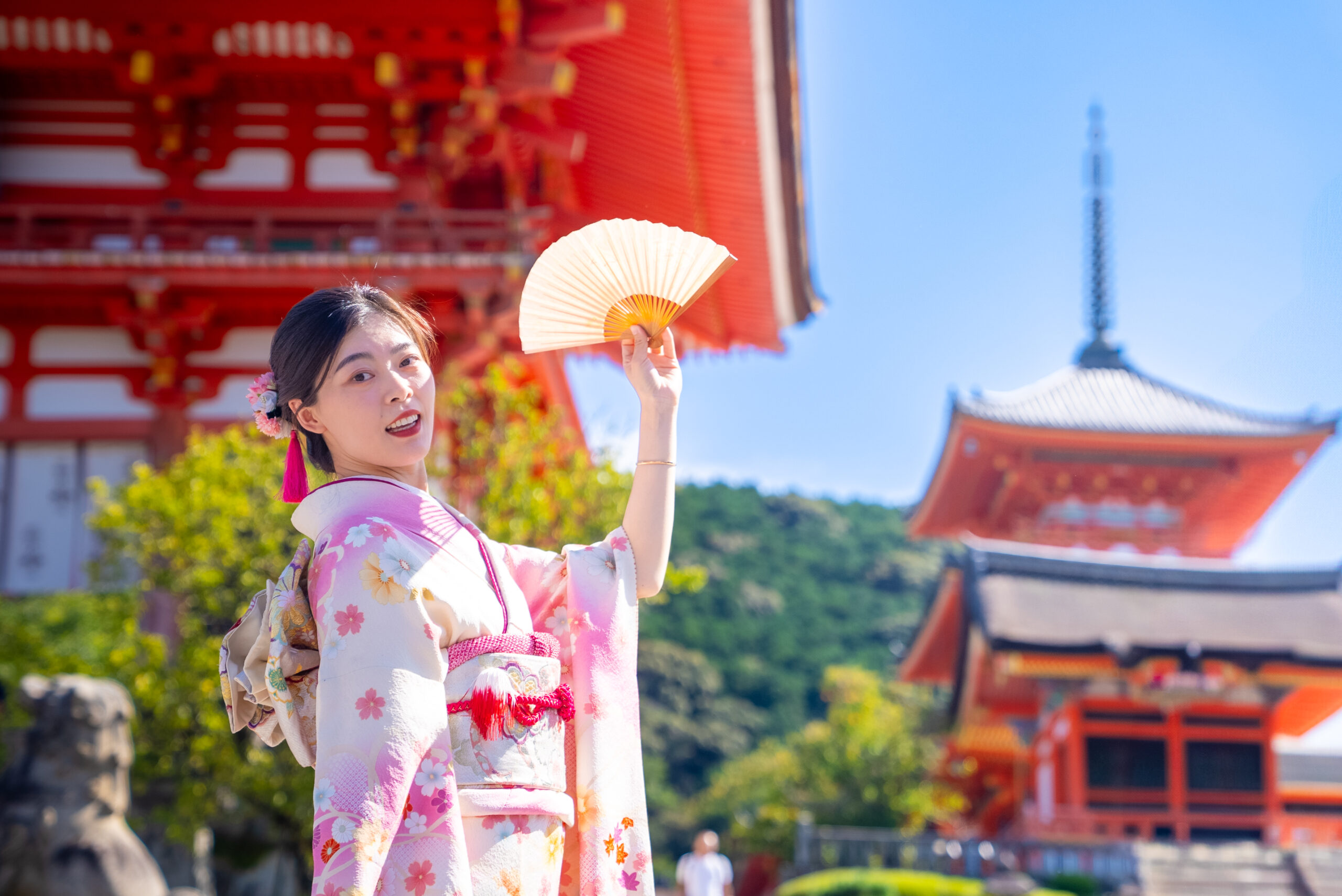
A practical guide to street photography in Osaka, focusing on candid moments around street food scenes. Learn where to shoot, how to approach people, and how to capture real smiles in the city’s kitchen.
- Why Osaka’s “Kitchen” Is Perfect for Street Photography
- Best Areas in Osaka for Street Food Photography
- How to Capture Real Smiles and Natural Moments
- Respect, Etiquette, and Cultural Awareness
- A Typical Shooting Walk Through Osaka’s Food Streets
- Frequently Asked Questions About Street Photography in Osaka
- Final Thoughts: Finding Stories Between Food and Faces
Why Osaka’s “Kitchen” Is Perfect for Street Photography
Osaka doesn’t really warm up slowly.
It’s loud, close, and already in motion the moment you step off the train. Steam rolls out of tiny kitchens, laughter spills into the street, and conversations overlap without anyone seeming to mind. That constant movement is exactly why candid photography works so well here.
People in Osaka tend to exist outwardly. Emotions show up on faces, gestures get big, and reactions happen fast. When food is involved, that openness doubles. Waiting for takoyaki, arguing lightly about sauce, sharing bites with friends—these moments don’t feel staged. They just happen, right in front of you.
The Energy of Street Food Alleys and Markets
Street food areas compress life into narrow spaces.
Counters are tight. Lines are short but busy. Conversations bounce between strangers who didn’t know each other five minutes earlier.
That density does something interesting for photography. You don’t need to hunt for moments. They come to you.
A vendor leans forward, flipping skewers while keeping an eye on three orders at once. Someone laughs a little too loud after burning their tongue. A quick smile appears when food is finally handed over. These scenes repeat all night, but never in the same way twice.
Light helps, too. Food streets glow. Signs, heat lamps, open grills—everything creates soft, imperfect illumination. Faces pick up warmth. Steam catches highlights. Even simple scenes end up layered without much effort.
Why Candid Moments Happen Naturally Here
Osaka’s street food culture isn’t quiet or polite in the traditional sense. It’s social. Eating is public, expressive, and often shared. That lowers people’s guard.
When someone is focused on food—choosing toppings, watching a grill, talking with friends—they stop performing for the camera. Expressions relax. Smiles come out sideways, half-finished. Those are the moments that feel real later, when you look back at the files.
Another thing that helps: photographers don’t stand out as much here. Between tourists, locals, vloggers, and phone cameras everywhere, a small camera barely registers. Blend into the flow, keep moving, and you become part of the street rather than an observer hovering outside it.
That’s when faces forget about you.
And that’s when the photographs start to feel like Osaka.
Best Areas in Osaka for Street Food Photography
Osaka’s food culture isn’t locked into one neighborhood.
It spreads out, changes tone every few blocks, and feels different depending on the time of day. That variety is useful. If one area feels too busy or too polished, another street nearby usually feels more human.
Dotonbori Beyond the Neon Signs
Most people think of Dotonbori as billboards and crowds. That’s fair—but it’s not the whole story.
Step slightly away from the main canal, and the pace shifts. Small takoyaki stands tucked under buildings, staff calling out orders with tired voices, couples sharing snacks while standing because there’s nowhere to sit. These edges of Dotonbori are where expressions loosen up.
The trick here is patience. Don’t chase the brightest signs. Let people come into your frame instead. A single reaction—someone laughing while holding a paper tray—often tells a stronger story than a wide shot full of logos.
Neon can wait. Faces won’t.
Kuromon Market and Its Everyday Rhythm
Kuromon feels more functional.
It’s less about spectacle and more about routine.
Vendors know their regulars. Hands move quickly, almost automatically. Transactions happen with small nods and brief smiles that barely interrupt the flow of work. This rhythm is gold for candid photography.
If you stay still for a while, scenes repeat themselves with tiny variations. A fish being wrapped. A vendor joking with a customer. Someone hesitating before choosing skewers. These moments aren’t loud, but they linger.
Midday light filtering through the arcade roof adds softness you don’t expect from a market. It’s quieter than Dotonbori, but emotionally dense in a different way.
Small Side Streets Where Locals Gather
Some of the strongest images happen away from places with names.
Side streets near stations, under train tracks, or behind shopping arcades often host tiny food counters that spill onto the sidewalk. Plastic stools, cigarette smoke, half-finished conversations. These spaces feel lived in.
People here aren’t performing for visitors. They’re unwinding after work or killing time with friends. That casual mood shows up on faces—slouched shoulders, relaxed smiles, eyes half-focused on the street.
Walk slowly. Listen more than you shoot. When the street starts to feel ordinary, you’re probably in the right place.
That’s where Osaka stops being a destination and starts feeling like a city again.
How to Capture Real Smiles and Natural Moments
Street photography in Osaka isn’t about fast reactions alone.
It’s more about noticing when something is about to happen, then giving it space to unfold. Food streets are full of those almost-there moments.
Reading the Scene Before Raising the Camera
Before lifting the camera, pause for a few seconds.
Watch hands. Watch shoulders. Notice who’s talking and who’s listening. When someone leans in, when a vendor locks eyes with a customer, when a group starts to laugh before the punchline lands—that’s your signal.
If you raise the camera too early, people notice. Too late, and the moment dissolves. There’s a narrow window where the scene is still alive but not self-aware. Finding that timing takes practice, but Osaka gives you plenty of chances.
Often, the best frames come from staying in one spot longer than feels comfortable. The street rearranges itself around you if you let it.
Approaching People Without Breaking the Mood
Sometimes eye contact happens. Sometimes it doesn’t. Both are fine.
If someone notices you and smiles, a small nod back goes a long way. No explanation needed. Osaka is casual like that. Keeping your body language relaxed matters more than what you say.
When you do feel the urge to ask—usually after the photo—keep it short. A quick gesture toward the camera and a simple thank-you works better than a long conversation. Over-explaining shifts the energy, and the moment you just captured belongs to a few seconds ago anyway.
Most people are flattered. Some aren’t. Accept both outcomes and move on.
Light, Distance, and Timing in Busy Streets
Crowded streets reward closeness, but not intrusion.
A moderate distance keeps expressions natural. Wide lenses help, but so does knowing when to step back and let the frame breathe. Steam, signs, and hands moving through the foreground can add layers without hiding faces.
Light changes fast in food areas. A grill flares up. A sign flickers. Someone steps half a meter forward and their face suddenly glows. Stay alert to these micro-shifts.
The best smile often lasts less than a second.
But if you’re already there, already watching, it’s enough.
Respect, Etiquette, and Cultural Awareness
Osaka is relaxed, but that doesn’t mean anything goes.
Street photography works here because most people feel comfortable in public spaces. Keeping that balance matters more than getting one extra shot.
When to Ask for Permission — and When Not To
If a moment is already over and the subject is clearly aware of you, asking afterward often feels natural. A quick gesture, a smile, and a short thank-you usually cover it. Long explanations tend to make things awkward.
During busy food scenes, asking before shooting can actually break the flow. Vendors are working. Customers are mid-conversation. In those cases, staying unobtrusive and moving on quickly shows respect.
If someone notices the camera and looks uncomfortable, that’s your answer. Lower the camera and step away. There’s always another moment a few steps down the street.
Street Photography Manners in Osaka
Osaka’s streets are crowded, narrow, and shared. Blocking walkways, stopping suddenly, or hovering too close draws attention fast.
Keep moving. Shoot, then clear space. If you need to stop, tuck yourself against a wall or storefront. Locals appreciate photographers who don’t interrupt the rhythm of the street.
Avoid turning people into props. Food culture here is personal. Meals, even eaten standing up, are still moments of rest. A little distance goes a long way.
Blending In as a Visitor With a Camera
Looking like you belong helps more than you might expect.
Dress simply. Avoid large camera bags. Keep your setup light and ready. When your movements match the pace of the street, people stop paying attention to you.
It also helps to slow down internally. When you’re calm, the street feels calmer too. Reactions soften. Smiles last longer.
Respect isn’t loud.
It shows up in how quietly you move through someone else’s city.
A Typical Shooting Walk Through Osaka’s Food Streets
Walking with a camera in Osaka isn’t about covering distance.
It’s about letting the street set the pace. Food areas shift character quickly, sometimes within the same block, and your shooting rhythm needs to adjust with them.
Early Evening vs. Late Night Atmosphere
Early evening feels anticipatory. Stalls are setting up. Lights flicker on one by one. Vendors are focused, customers are still deciding where to eat. Faces look forward, not yet tired.
This is a good time for quieter frames. Concentration, small exchanges, hands at work. The energy is there, but it hasn’t spilled over yet.
Late night is different. People relax into the street. Conversations get louder. Movements loosen. Smiles widen and linger a little longer than they should.
Mistakes happen here—spilled sauce, dropped skewers, inside jokes that don’t need context. Those imperfections are often the strongest images of the night.
What You Notice After an Hour of Walking
After some time, patterns start to emerge.
The same vendor serves dozens of people, but reacts slightly differently each time. A regular shows up and the tone shifts instantly. A group of friends slows down the entire sidewalk without realizing it.
You also start noticing yourself less. The camera feels lighter. Shots come from instinct rather than intention. That’s usually when the photographs improve.
Street food scenes reward staying longer than planned. One extra loop. One more pause. Often, the image you keep is the one you almost didn’t take.
Osaka gives those moments freely.
You just have to still be there when they arrive.
Frequently Asked Questions About Street Photography in Osaka
【Q】Is street photography legal in Osaka?
【A】Yes. Street photography itself isn’t illegal in Osaka or Japan. Public spaces can be photographed, and people commonly take photos in food streets and markets. That said, privacy expectations are cultural rather than strictly legal. If someone clearly objects or looks uncomfortable, it’s best to move on without pushing the situation.
【Q】Can I photograph vendors and customers?
【A】In most street food areas, vendors are used to being photographed. Customers are more sensitive. Shooting wide scenes where individuals aren’t isolated tends to feel more acceptable. Close-up portraits of customers work better when there’s a natural interaction or a visible sense of ease.
【Q】What camera or lens works best for crowded streets?
【A】Smaller cameras blend in better. A compact mirrorless setup with a prime lens keeps things light and unobtrusive. Wider focal lengths make it easier to stay close without drawing attention, while still capturing context.
【Q】Is it okay to take photos of people eating?
【A】This depends on distance and timing. Someone mid-bite, clearly unaware, can feel intrusive if shot too close. Moments just before or after eating—laughing, reacting, sharing—usually read more naturally.
【Q】What should I avoid photographing?
【A】Avoid turning discomfort into an image. Arguments, intoxicated individuals, or moments where someone is clearly vulnerable cross an invisible line. Staying on the side of warmth and everyday life keeps your work honest.
Final Thoughts: Finding Stories Between Food and Faces
Osaka’s street food scene isn’t just about what’s being cooked.
It’s about how people gather around it.
The smiles you’ll remember aren’t always the obvious ones. Sometimes they’re half-hidden, interrupted by steam or laughter, gone before you’re sure you saw them. That’s part of the appeal.
Walk slowly. Stay longer than planned. Let the city forget about you.
If you’re thinking about photographing Osaka, start with its food streets. Not to document dishes—but to notice how people move, react, and connect around them. That’s where the city quietly shows its face.

コメント