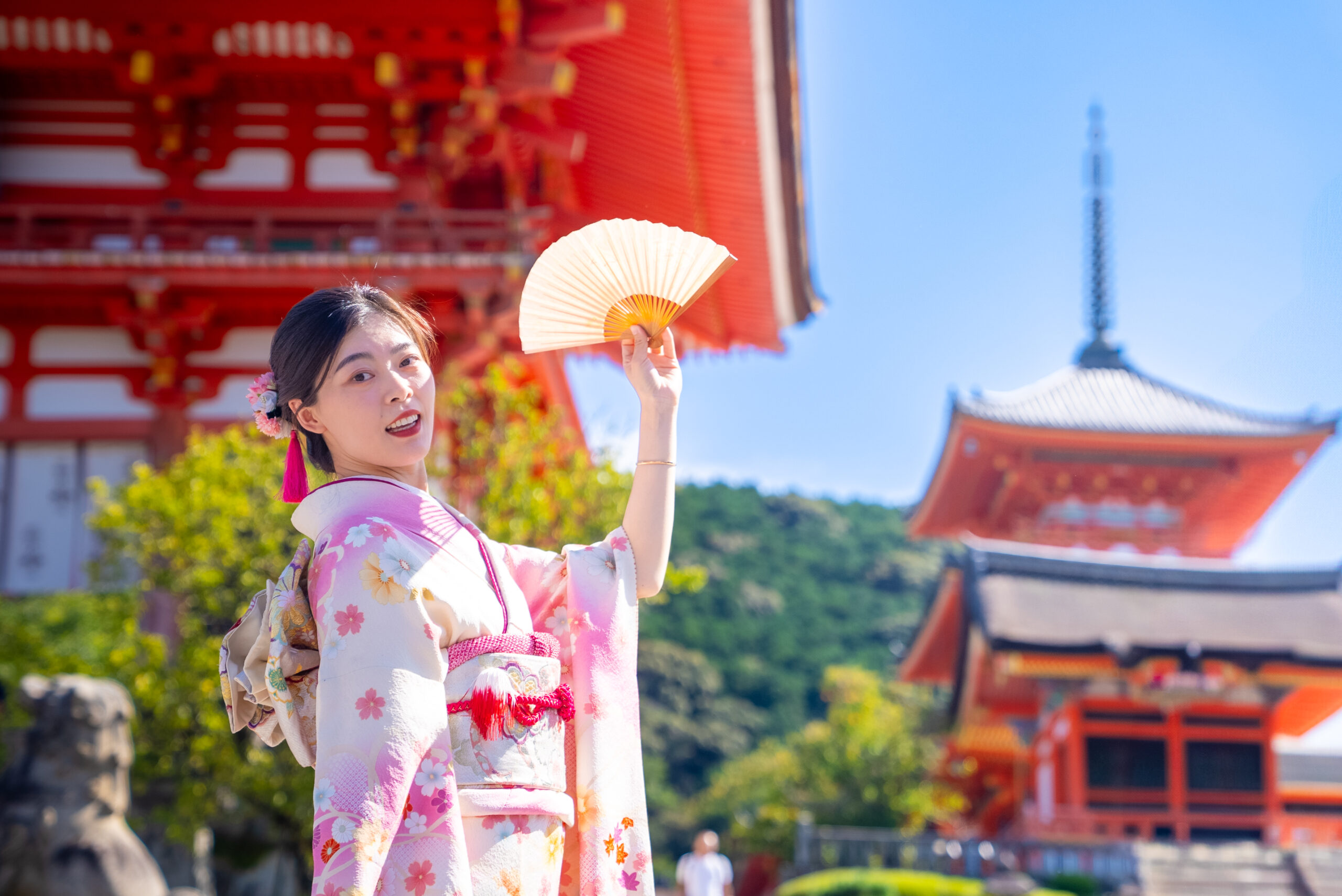
Step off the tourist trail and explore retro Osaka streets for unique portrait photography. Discover atmospheric locations, local textures, and how to capture authentic moments beyond the guidebooks.
- Looking for Portrait Locations Beyond Osaka’s Famous Spots
- Quick Take: Who Retro Osaka Portrait Walks Are Best For
- Why Retro Osaka Streets Work So Well for Portrait Photography
- Walking Through Retro Osaka: What the Shoot Feels Like
- Tips for Shooting Natural Portraits in Retro Osaka Streets
- Frequently Asked Questions About Street Portraits in Osaka
- Final Thoughts: Finding Portraits Where Osaka Feels Most Real
Looking for Portrait Locations Beyond Osaka’s Famous Spots
Osaka is easy to photograph.
The famous areas announce themselves loudly—bright signs, crowds, landmarks everyone recognizes. They work, especially the first time. But after a while, portraits taken in those places start to blur together. Same backgrounds. Same energy. Same kind of shots.
That’s usually when curiosity kicks in.
Stepping away from guidebook locations doesn’t mean going far. Sometimes it’s just one train stop, or a ten-minute walk off a busy street. The atmosphere changes quickly. Noise drops. Colors soften. And suddenly, the camera starts seeing different possibilities.
Why Guidebook Locations Start to Feel the Same
Popular photo spots are popular for a reason. They’re visually strong and easy to access. But that popularity comes with trade-offs, especially for portraits.
Backgrounds get busy. People watch. Subjects become self-conscious. Instead of reacting naturally to the space, they perform for it. The street dictates the portrait, not the other way around.
Over time, those locations stop surprising you.
Retro neighborhoods don’t have that pressure. Nothing is shouting for attention. Which means the person in front of your lens can quietly become the focus again.
What “Retro Osaka” Really Looks Like Today
Retro Osaka isn’t frozen in time. It’s lived-in.
You’ll see old storefronts next to modern vending machines. Handwritten signs fading in the sun. Narrow alleys with bikes leaned against walls that have been repainted too many times to count. Some places feel stuck between decades—in a good way.
The colors are muted. Textures do the work.
And the streets don’t seem to care that you’re there.
That indifference is gold for portraits.
Quick Take: Who Retro Osaka Portrait Walks Are Best For
These streets aren’t trying to impress anyone.
That’s what makes them work.
If you’re comfortable slowing down, observing first, and letting scenes unfold naturally, retro parts of Osaka open up in quiet, generous ways. Portraits here feel less staged, more conversational.
Photographers Who Want Mood Over Landmarks
If you’re less interested in showing where a photo was taken and more focused on how it feels, this kind of walk fits. The backgrounds don’t dominate. They support.
A cracked wall, a faded sign, a stretch of empty street—these elements frame a person without stealing attention. Expressions come through more clearly. Body language relaxes. The portrait breathes.
You’re not chasing a famous backdrop.
You’re responding to what’s already there.
Travelers Interested in Local Streets and Everyday Life
This approach also suits travelers who enjoy wandering without an agenda. Small neighborhoods. Morning light hitting shutters. A shop owner sweeping the sidewalk before opening.
These are places where daily life keeps going, whether you’re visiting or not.
That subtlety tends to show up in portraits. Subjects don’t feel like part of a tourist moment. They feel grounded in their surroundings, which often says more than any iconic location ever could.
Why Retro Osaka Streets Work So Well for Portrait Photography
There’s a softness to these neighborhoods that’s hard to fake.
Nothing is perfectly maintained. Nothing is aggressively branded. The streets have aged, and that age shows up beautifully in portraits.
It’s not nostalgia for show. It’s texture, accumulated over time.
Weathered Textures, Faded Colors, and Natural Backdrops
Retro Osaka streets offer backgrounds that don’t compete with your subject. Walls are scuffed. Paint is uneven. Posters peel at the corners. Colors feel slightly sun-washed, like they’ve settled into themselves.
That kind of backdrop does something subtle to a portrait. Skin tones feel warmer. Clothing stands out without popping unnaturally. You don’t need shallow depth of field to separate subject from background—the separation is already there.
The street does half the work for you.
Quiet Streets That Make Subjects Feel at Ease
Volume matters. Not just in sound, but in attention.
On quieter streets, people relax. They stop wondering who’s watching. Conversations slow down. Movements become smaller, more honest. Even people who say they’re “not comfortable in front of the camera” tend to loosen up when there’s space around them.
That ease shows up in shoulders dropping. In eye contact lasting a second longer. In expressions that don’t feel rushed.
Portraits made here often feel less like photos and more like moments you happened to catch.
Old and New Blending in the Same Frame
One of Osaka’s strengths is how casually it layers time.
A modern jacket against an old wooden storefront. A smartphone glow reflected in cracked glass. A convenience store light spilling into an alley that hasn’t changed much in decades.
Those combinations add quiet tension to portraits. Not dramatic, not obvious—just enough contrast to make the image feel rooted in now, without losing the past.
It’s a balance that retro Osaka holds naturally.
Walking Through Retro Osaka: What the Shoot Feels Like
This kind of portrait walk doesn’t start with a location pinned on a map.
It starts with a pace.
You walk slowly. You look more than you shoot. The camera stays down until something feels right. Retro Osaka rewards that patience in small, steady ways.
Starting in Low-Key Neighborhood Streets
The best starting points are usually unremarkable at first glance. Residential blocks. Old shopping streets with half the shutters down. Corners where nothing “important” seems to be happening.
That’s exactly why they work.
Light falls more gently here. It sneaks in from the side, bounces off pale walls, slips through gaps between buildings. You notice how it wraps around faces instead of blasting straight at them.
These streets don’t rush you.
They give you time to figure out what kind of portrait you want to make.
Letting the Area Shape the Portrait Style
Instead of forcing poses, you start responding to the environment. Someone leans naturally against a wall because it’s there. A subject walks instead of standing still because the street invites movement.
You adjust without overthinking it.
Wide shots feel right when the street has space. Tighter frames work when textures pull you closer. Nothing feels overly directed. The area quietly suggests what to do next.
That back-and-forth—between place and person—becomes the rhythm of the shoot.
Finding Portrait Moments Without Forcing Them
The strongest moments often arrive between shots.
A pause. A glance away. Someone adjusting their jacket while waiting for you to finish checking settings. These aren’t dramatic gestures, but they carry weight. Especially against backgrounds that feel lived-in rather than designed.
You learn to wait instead of asking.
To notice instead of arranging.
Retro Osaka doesn’t give you instant results. But when things line up, the portraits feel honest in a way that’s hard to replicate elsewhere.
Tips for Shooting Natural Portraits in Retro Osaka Streets
You don’t need complicated setups here.
In fact, the more invisible your approach feels, the better the portraits usually turn out.
Retro Osaka rewards subtlety—small adjustments, quiet decisions, and a bit of restraint.
Lens Choices That Match the Street Atmosphere
Mid-range primes tend to work beautifully. Something around 35mm or 50mm keeps you close enough to stay connected, without crowding the subject. You’re part of the street, not observing from across it.
Wider lenses can work too, especially when the environment matters to the story. Narrow alleys, shopfronts, long walls with texture—these elements add context without overwhelming the person in the frame.
Long telephotos feel less natural here. They create distance in places that are already intimate.
Working With Available Light and Narrow Alleys
Light in retro neighborhoods is rarely dramatic, but it’s generous if you pay attention. It bounces. It wraps. It leaks in from unexpected angles.
Look for open shade near building edges. Doorways. The soft glow spilling out of small shops. Even a vending machine can act like a makeshift key light if you position things carefully.
Instead of chasing “perfect” light, work with what’s there. Slightly uneven lighting often fits the mood better than anything polished.
Respect, Distance, and Blending Into the Neighborhood
These are real neighborhoods, not backdrops.
Keep your footprint light. Don’t block paths. Don’t linger too long in one spot if it feels intrusive. A small nod or quiet acknowledgment goes a long way, even when you’re not directly photographing people passing by.
When you blend in, subjects relax. When they relax, portraits become honest.
It’s less about getting the shot—and more about earning it.
Frequently Asked Questions About Street Portraits in Osaka
【Q】Is it okay to take portrait photos in residential areas?
【A】In general, yes—but awareness matters. Retro Osaka streets are often quiet, lived-in neighborhoods. As long as you’re not blocking walkways, entering private property, or drawing unnecessary attention, photography is usually fine. Keeping a low profile and moving along if something feels uncomfortable is part of working respectfully in these areas.
【Q】Do I need permission to photograph people?
【A】For posed portraits, it’s best to ask. A simple gesture, a smile, or a short conversation can go a long way, even without sharing a language. For candid-style portraits where people aren’t clearly identifiable, many photographers work quietly and keep moments brief.
【Q】What time of day works best for retro streets?
【A】Late morning and late afternoon tend to work well. Light is softer, streets are active without being crowded, and shopfronts feel alive without the chaos of peak hours. Early evenings can also be beautiful, especially when lights begin to turn on but the area stays calm.
【Q】Can beginners try street portrait photography here?
【A】Absolutely. Retro Osaka streets are forgiving. There’s less pressure, fewer distractions, and more room to slow down. Beginners often find it easier to focus on composition and connection without the intensity of major tourist zones.
【Q】Is Osaka friendly to photographers from overseas?
【A】Osaka is generally welcoming and relaxed. Curiosity is common, but tension is rare. A calm attitude, basic courtesy, and respect for space usually lead to smooth experiences, even if you don’t speak Japanese.
Final Thoughts: Finding Portraits Where Osaka Feels Most Real
Retro Osaka doesn’t advertise itself.
That’s the point.
Away from famous spots, portraits start to feel quieter and more personal. Streets stop performing. Backgrounds stop competing. What’s left is space—for expression, for small gestures, for moments that don’t need explaining.
You won’t come back with dozens of identical shots.
You’ll come back with a handful that feel grounded, specific, and honest.
If that’s the kind of work you’re drawn to, the best move is simple. Step off the main road, slow your pace, and let Osaka show you the version of itself that guidebooks usually skip.

コメント