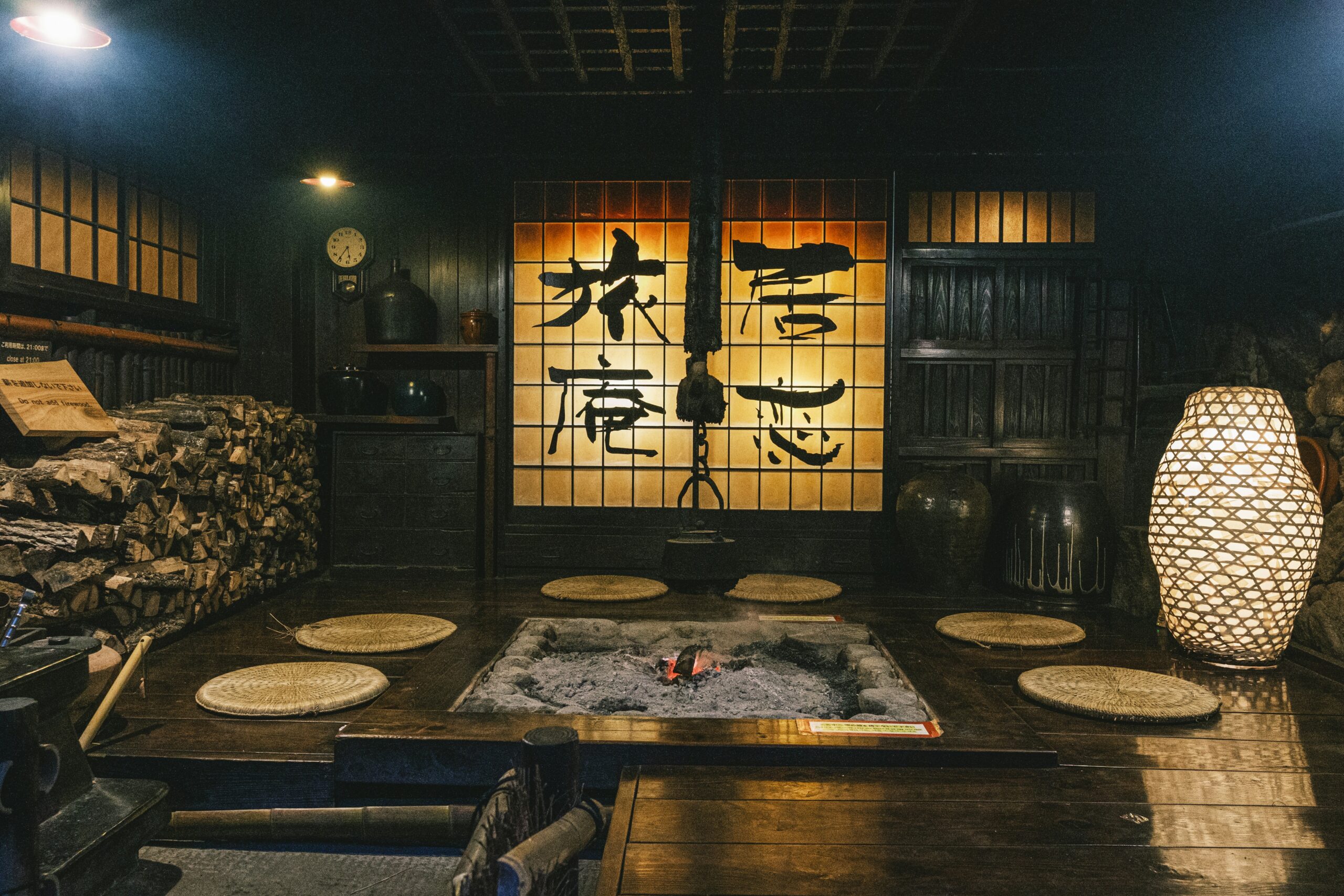
Enjoying a Footbath (Ashiyu) in Kimono in a Kyoto Onsen Town: A Complete Guide for Visitors and Locals
Few experiences capture the gentle, poetic spirit of Kyoto better than relaxing in a warm ashiyu (足湯)—a public footbath fed by natural hot spring water—while wearing a traditional kimono. It is a moment suspended between past and present: the soft scent of cedar, the sight of wooden machiya townhouses, and the unmistakable hiss of flowing onsen waters. Whether you live in Kyoto or are planning a visit, enjoying an ashiyu in kimono is one of the most intimate, peaceful, and culturally rich activities you can add to your itinerary.
The magical experience of ashiyu in Kyoto’s traditional onsen towns
Kyoto may be known for its temples, gardens, festivals, and historic streets, but its lesser-known onsen towns and scenic footbaths create an entirely different way to experience the ancient capital. This guide explores where to find Kyoto’s best ashiyu spots, how to enjoy them while wearing kimono, cultural etiquette, seasonal tips, photography ideas, and how to make the moment truly unforgettable. Along the way, you’ll find recommendations and opportunities to enhance your experience through AllPhotos Kyoto, a local business offering beautiful kimono photoshoots and cultural experiences in the city.
Reserve or learn more here: https://allphoto-kyoto.com/.
- The Cultural Meaning of Ashiyu in Kyoto
- Where to Enjoy an Ashiyu in Kyoto While Wearing Kimono
- How to Enjoy an Ashiyu in Kimono: Complete Practical Guide
- Best Seasons in Kyoto to Enjoy Ashiyu in Kimono
- Why Kimono + Ashiyu Is One of the Best Cultural Experiences in Kyoto
- Photography Tips: How to Capture the Perfect Ashiyu Moment
- Local Tips Only Kyoto Residents Know
- Conclusion: Rediscover Kyoto Through the Peace of Ashiyu and the Elegance of Kimono
The Cultural Meaning of Ashiyu in Kyoto
Ashiyu as a Symbol of Rest in Traditional Japan
While full onsen baths require undressing and entering a communal bathhouse, an ashiyu offers an accessible outdoor alternative. Historically, travelers on old Kyoto roads—especially those leading to pilgrimage sites—would rest at teahouses where warm water flowed into shallow wooden basins. These travelers kept their clothes on, rolling their sleeves and warming their feet before continuing their journey.
In Kyoto, where temple pilgrimage routes remain part of the city’s spiritual life, ashiyu preserve this tradition of simple comfort, hospitality, and community rest.
Why Ashiyu and Kimono Pair Perfectly in Kyoto
Kyoto’s kimono culture is not just historical—it is alive. Locals and visitors wear kimono during:
Traditional festivals
Visits to shrines and temples
Seasonal celebrations (sakura, momiji, moon-viewing)
Tea ceremonies
Photography sessions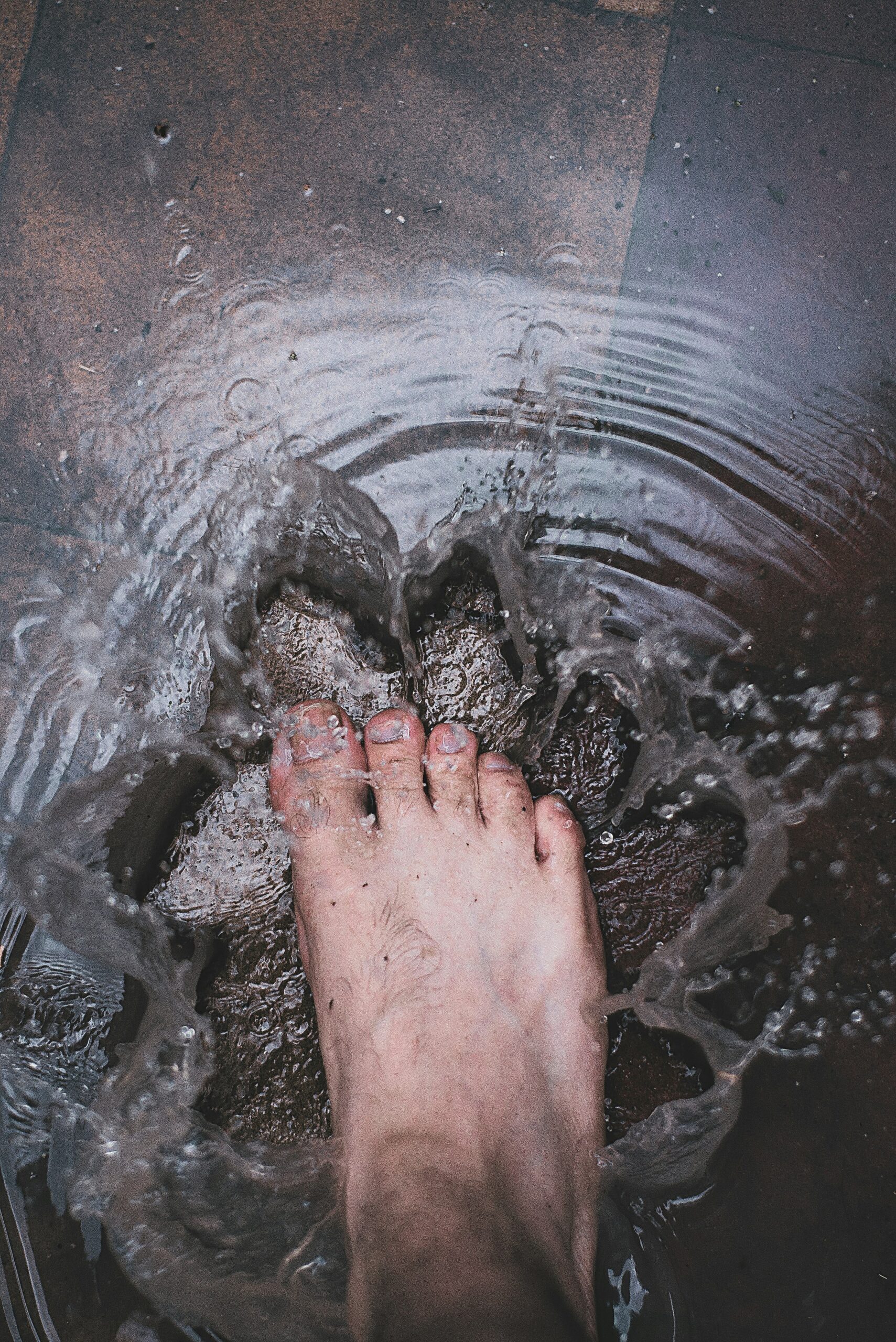
Experiencing ashiyu in traditional kimono combines elegance with relaxation
Because an ashiyu only involves soaking your feet, it is kimono-friendly, unlike a full onsen bath. It allows you to enjoy the elegance of kimono while experiencing Kyoto’s natural hot spring culture.
You can deepen this cultural moment with a kimono photoshoot or rental at AllPhotos Kyoto, where professionals help you choose colors and styles that match Kyoto’s seasonal landscapes. See options here: https://allphoto-kyoto.com/.
Where to Enjoy an Ashiyu in Kyoto While Wearing Kimono
Kyoto Prefecture is rich in natural springs, and several historic towns near the city offer outdoor ashiyu that perfectly complement a kimono stroll. These locations are in or near Kyoto city and accessible as day trips.
1. Kurama Onsen Area (Northern Kyoto)
Nestled in the mountains north of Kyoto, Kurama feels worlds away from the bustle of the city. Famous for Kurama-dera Temple and its mystical cedar forests, it is also home to natural hot springs and charming footbaths.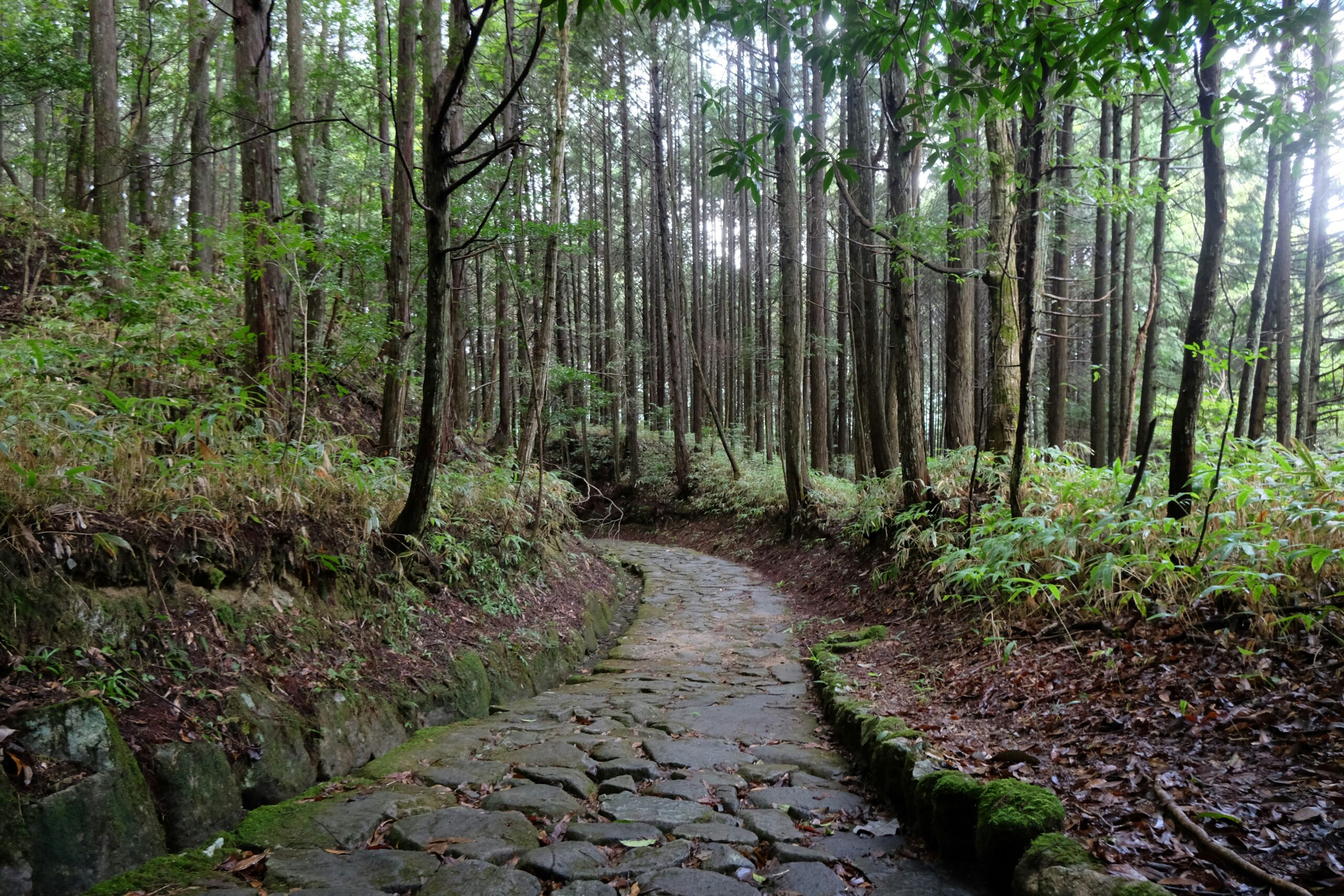
The serene mountain setting of Kurama Onsen in northern Kyoto
What Makes Kurama Ideal for Ashiyu Lovers
Soft mountain air enhances the warmth of the footbath
Rich spiritual atmosphere (Kurama is linked to tengu folklore)
Small shops and tea houses perfect for kimono photography
Peaceful, slow-paced environment
After visiting Kurama-dera or hiking the Kurama–Kibune trail, resting your feet in warm water while wearing kimono creates an exquisite blend of nature and tradition.
For a memorable keepsake, you can book a professional kimono photoshoot in Kyoto before heading to Kurama. AllPhotos Kyoto offers this service with packages tailored for outdoor scenery. Learn more: https://allphoto-kyoto.com/.
2. Arashiyama Onsen Footbaths (Western Kyoto)
Arashiyama is one of Kyoto’s most beloved districts. While visitors often think of the Bamboo Grove or Togetsukyo Bridge, many miss its charming ashiyu spots located near local stations and riverside inns.
The enchanting Kimono Forest footbath in Arashiyama
Why Arashiyama Is Perfect for a Kimono + Ashiyu Experience
Stunning seasonal landscapes: cherry blossoms, lush summer greens, vivid autumn leaves, and snowy peaks
Elegant kimono-friendly streets lined with traditional shops
Easy access from central Kyoto
Light walking paths ideal for those wearing kimono
Sitting at an ashiyu while facing the Katsura River is one of the most peaceful moments you can find in Kyoto—especially at sunset when the mountains turn gold.
To make the most of Arashiyama’s scenic beauty, consider capturing the moment with a professional photographer from AllPhotos Kyoto. They specialize in natural light and traditional scenery, providing unforgettable memories of your Kyoto trip. Book here: https://allphoto-kyoto.com/.
3. Kameoka Onsen Ashiyu (Kyoto’s Countryside Gateway)
Just beyond the Arashiyama mountains, Kameoka is close enough to Kyoto to be considered part of its natural backyard. The town is known for its riverboat rides and thermal waters, making it an ideal place to relax in kimono.
Highlights:
Wide open skies and misty mornings
Ashiyu spots near the Hozugawa River
Quieter and less crowded than central Kyoto
Perfect for a peaceful half-day escape
A kimono outing to Kameoka feels like stepping into rural, old-world Kyoto—an experience that blends exceptionally well with a warm footbath.
How to Enjoy an Ashiyu in Kimono: Complete Practical Guide
Many visitors worry about wetting or damaging their kimono, but ashiyu are designed to be easy and worry-free. Here is everything you need to know.
Choosing the Right Kimono for an Ashiyu Day
Kimono types ideal for ashiyu outings:
Casual kimono (komon) for daytime strolls
Yukata for warmer months (June–September)
Seasonal patterns inspired by Kyoto’s nature
Avoid heavily formal kimono or long trailing hems. A well-coordinated outfit enhances your experience and photographs beautifully—this is where AllPhotos Kyoto excels in helping you pick the perfect look. Reserve your kimono experience here: https://allphoto-kyoto.com/.
Footwear Tips
You’ll remove your footwear at an ashiyu, so consider:
Wearing tabi socks (traditional split-toe socks) that are easy to remove
Bringing a small towel to dry your feet
Choosing zori sandals that match outdoor paths in Kyoto
Most ashiyu facilities provide a low wooden bench where you can sit comfortably in kimono.
How to Use an Ashiyu Gracefully
Sit down slowly to avoid pulling your kimono.
Lift your hem just enough to expose your ankles.
Remove socks and place them on your lap or beside you.
Dip your feet gently into the warm water.
Relax for 10–20 minutes.
Dry your feet thoroughly before putting socks back on.
Ashiyu are typically clean, shallow, and warm—not too hot—making them comfortable even for first-timers.
Respectful Ashiyu Etiquette in Kyoto
To blend seamlessly with Kyoto locals:
Avoid splashing or washing your hands/hair.
Keep conversation soft and calm.
Do not eat inside the ashiyu unless local rules say it’s allowed.
Be mindful of others waiting to sit.
Keep your kimono clean by not touching the water with your clothing.
Kyoto is known for its subtle, refined manners. Following these small etiquette points enhances the atmosphere for everyone.
Best Seasons in Kyoto to Enjoy Ashiyu in Kimono
Kyoto is a city of seasons, and each one transforms the ashiyu experience.
Spring (March–May): Sakura and Mild Breezes
Spring is magical for kimono and ashiyu outings. Cherry blossoms frame riversides, temple gates, and mountain paths.
Perfect for:
Pink or pastel kimono patterns
Strolling through Arashiyama
Photoshoots under blooming trees
Book a seasonal kimono or photography session with AllPhotos Kyoto to match spring scenery: https://allphoto-kyoto.com/.
Summer (June–September): Yukata + Refreshing Footbaths
While summer in Kyoto can be warm, ashiyu in shaded areas like Kurama feel soothing rather than hot.
Tips:
Wear a breathable yukata
Choose early morning or late afternoon
Enjoy riverside breezes
Summer festivals also make it the perfect season for vibrant, colorful kimono photos.
Autumn (October–December): Momiji Perfection
Autumn in Kyoto is legendary. Maple leaves turn red and gold across Arashiyama, Kurama, and temple gardens.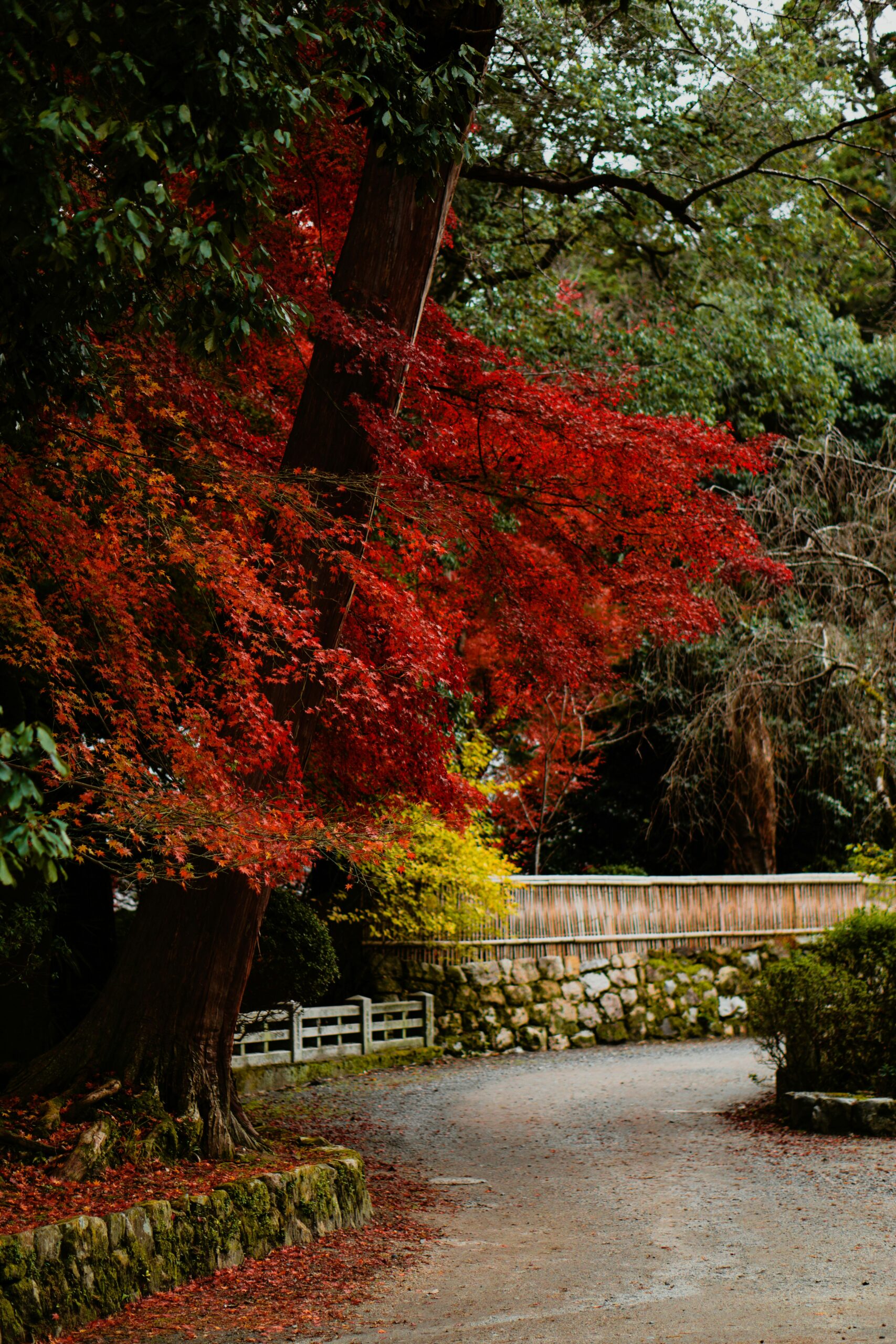
Autumn kimono moments among Kyoto’s famous momiji (maple) leaves
Why it’s the best season for ashiyu:
Crisp air enhances the warm water sensation
Kimono patterns inspired by autumn leaves photograph beautifully
Ashiyu are less crowded during weekdays
AllPhotos Kyoto offers stunning autumn photoshoot routes—perfect for capturing the moment. Check them out: https://allphoto-kyoto.com/.
Winter (January–February): A Cozy Cultural Escape
Winter ashiyu is deeply comforting. A gentle snowfall in the mountains of northern Kyoto makes the warm water feel even more magical.
Tips:
Use thick tabi socks
Choose darker, elegant kimono tones
Bring a shawl or haori
Winter ashiyu create some of the most atmospheric photos of the entire year.
Why Kimono + Ashiyu Is One of the Best Cultural Experiences in Kyoto
Kyoto offers hundreds of cultural activities, but few are as calming, accessible, and emotionally rich as sitting in a kimono at a warm footbath. It is:
Affordable or sometimes free
Fully family-friendly
Great for couples
Ideal for solo travelers
Perfect for photography
Deeply connected to Kyoto tradition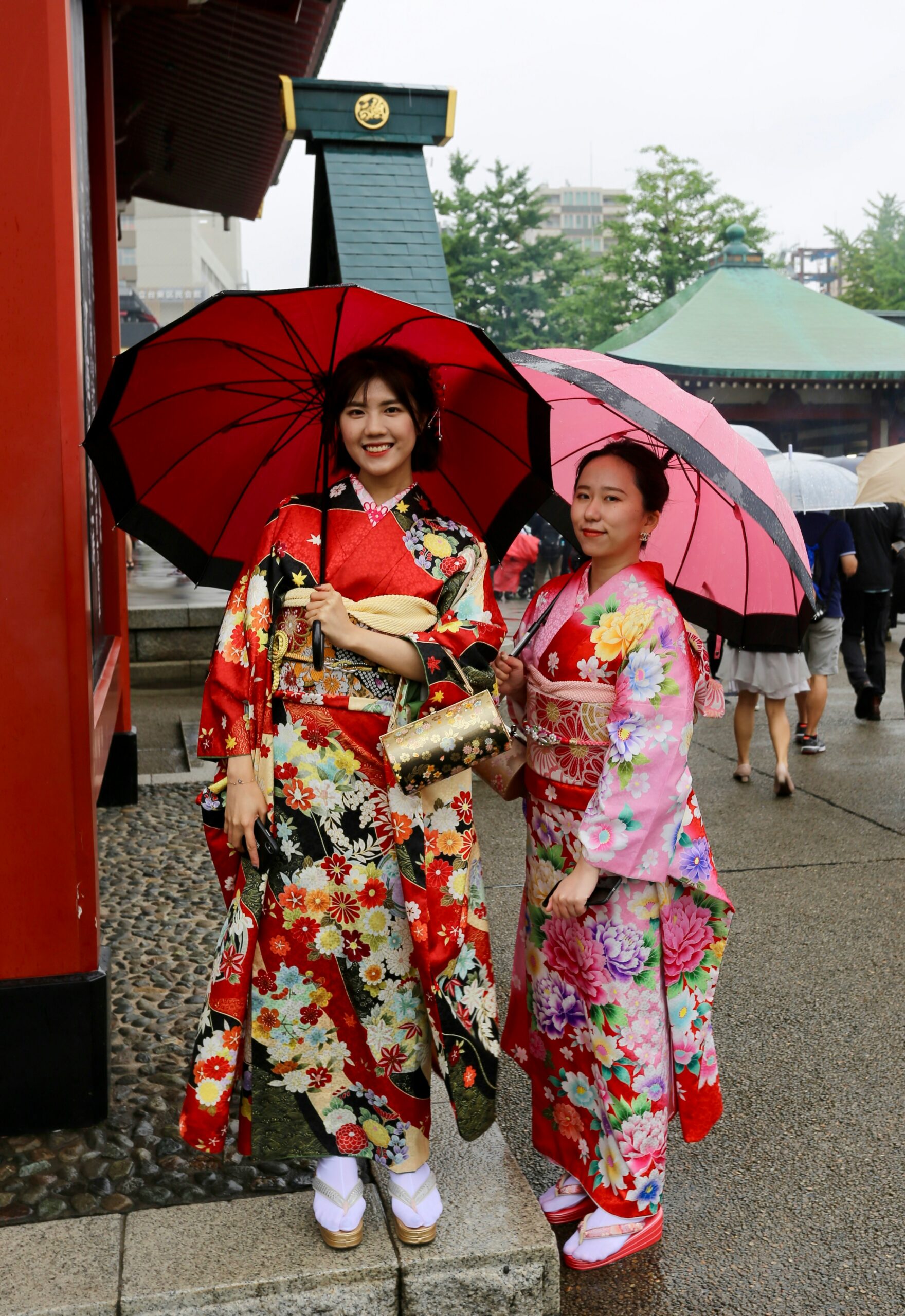
Professional kimono photography captures the timeless beauty of Kyoto
It is also an experience that slows your body and mind, reconnecting you with the quieter rhythm that makes Kyoto so special.
To elevate the experience, you can start your day at AllPhotos Kyoto, choosing a kimono and capturing beautiful photos before heading to your favorite ashiyu. It’s a perfect pairing for anyone wanting to create lasting memories in the ancient capital. Learn more: https://allphoto-kyoto.com/.
Photography Tips: How to Capture the Perfect Ashiyu Moment
Kyoto is one of the most photogenic cities in the world. When you combine kimono, nature, and warm steam from an ashiyu, you create a naturally cinematic scene.
Best Spots for Ashiyu Photos
Mountain trails around Kurama
Wooden decks near Arashiyama’s station footbaths
Riverside ashiyu areas at sunset
Small local footbaths in hidden Kyoto backstreets
Best Angles
From behind, capturing the kimono’s obi bow
Close-up of feet in clear water
Over-the-shoulder portrait with steam rising
Side profile silhouette with mountains in the background
If you prefer professional results, AllPhotos Kyoto offers outdoor kimono photoshoots designed for both beginners and experienced travelers. Check availability here: https://allphoto-kyoto.com/.
Local Tips Only Kyoto Residents Know
Because the city attracts many visitors, longtime residents have a few extra tricks to make the most of an ashiyu outing:
Morning is always quieter—the softest light and fewest people.
Carry a folding fan; it complements the kimono and helps with warm weather.
Try local sweets before or after the footbath—Kyoto’s yatsuhashi pairs wonderfully with outdoor relaxation.
Combine ashiyu with temple visits, especially in Kurama and Arashiyama.
Avoid long kimono hems—moderate length ensures elegance and practicality.
Creating a slow, mindful itinerary is the key to enjoying Kyoto like a local.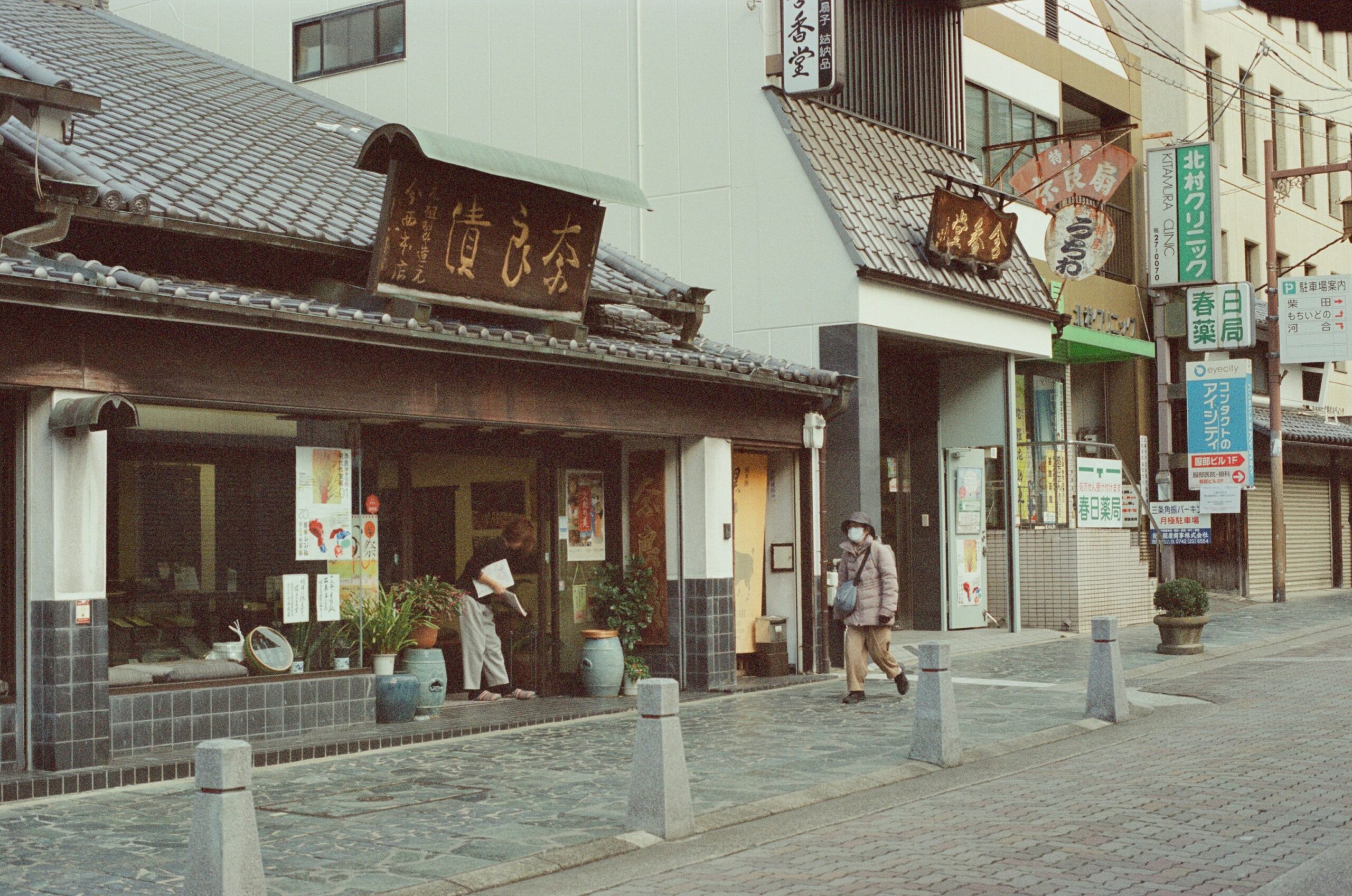
The timeless charm of Kyoto’s traditional onsen town streets
Conclusion: Rediscover Kyoto Through the Peace of Ashiyu and the Elegance of Kimono
Kyoto is a city that invites reflection, beauty, and cultural connection. Enjoying an ashiyu while wearing kimono brings together everything people love about Japan’s ancient capital: calm landscapes, traditional clothing, healing waters, and the gentle pace of life that defines Kyoto.
Whether you are a visitor or a local resident, taking time to relax your feet in warm, flowing onsen water offers a unique angle on the city—one that stays with you long after your trip ends.
To make your experience even more memorable, consider enhancing your day with a kimono rental or professional photoshoot from AllPhotos Kyoto. Their team helps you connect with Kyoto’s beauty through authentic cultural experiences. Discover more or book your session here: https://allphoto-kyoto.com/.

コメント