Wearing a Kimono in a Historic Town: Experiencing Kyoto Like You Stepped Into Old Japan
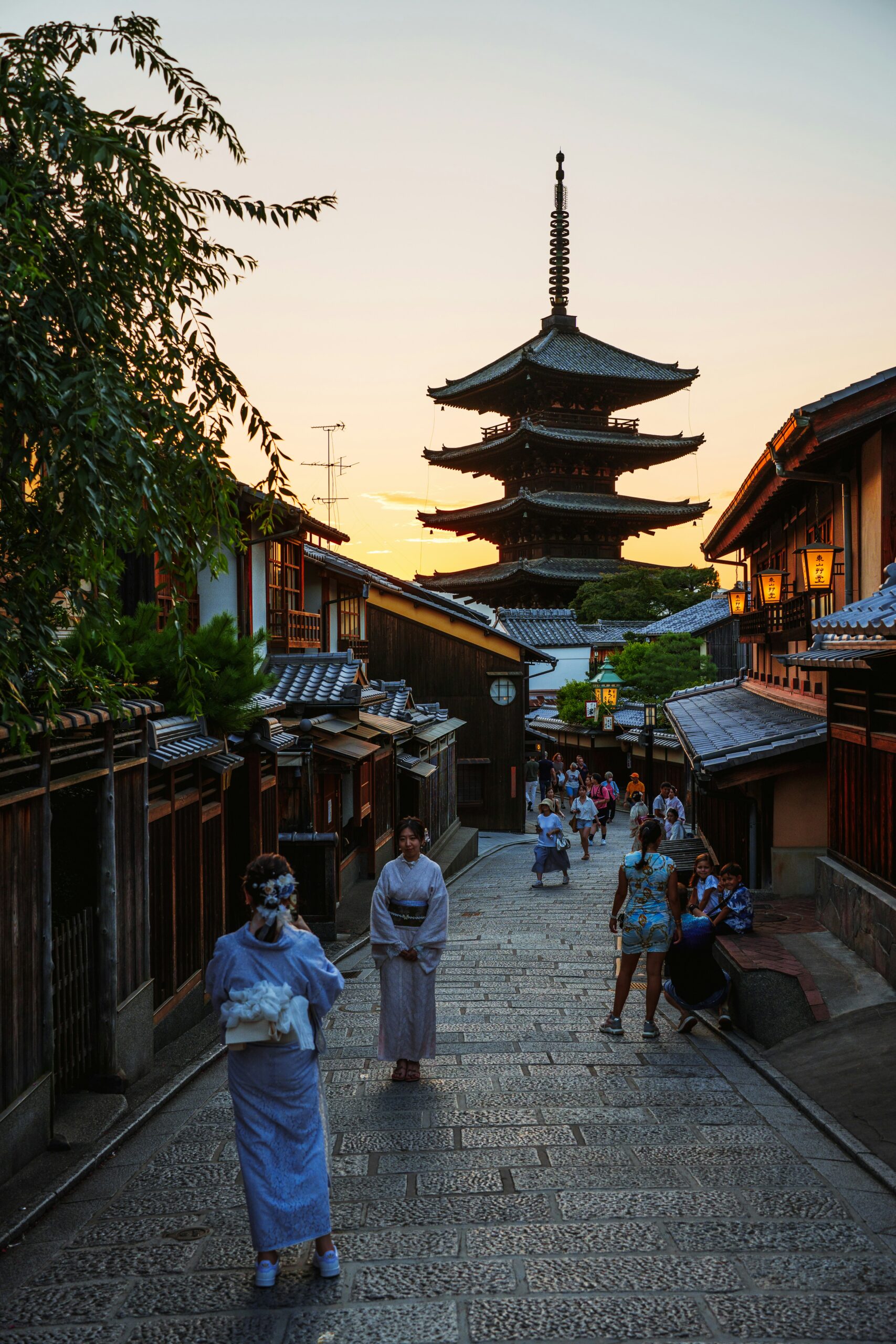
Traditional kimono experience in Higashiyama District, Kyoto
Kyoto is one of the few places in Japan where the spirit of tradition still breathes in every street, every wooden façade, every lantern-lit alley, and every temple bell that echoes at dusk. For visitors who dream of wearing a kimono in a setting that feels like a historic village—something reminiscent of places like Takayama or Hida—but without leaving Kyoto itself, this ancient capital offers some of the most atmospheric neighborhoods in the country. Kyoto is, after all, a living museum of Japanese culture, and wearing a kimono here is not just an outfit choice: it is a cultural immersion, a way to walk through centuries of history.
This guide explores how to enjoy a “historic-village kimono experience” within Kyoto, highlighting the best districts, seasonal recommendations, local etiquette, photography spots, and insider travel tips. It is written for both tourists and Kyoto locals who want to rediscover the city’s traditional charm.
Along the way, you will also find helpful call-to-action suggestions for AllPhotos Kyoto —a professional photography and kimono experience service where you can book beautiful sessions and explore Kyoto in traditional style:
👉 https://allphoto-kyoto.com/
- Kyoto: A City That Feels Like a Historic Village
- Why Wearing a Kimono in Kyoto Feels Different
- Historic Kyoto Districts Perfect for a Kimono Stroll
- Seasons in Kyoto: What to Wear and When
- Tips for Wearing a Kimono Comfortably in Kyoto
- Photography Tips for Capturing the Perfect Kyoto Kimono Photos
- Conclusion: Experience Kyoto the Way It Was Meant to Be—In Kimono
Kyoto: A City That Feels Like a Historic Village
While some travelers might associate historic wooden houses and rural Edo-period aesthetics with small towns like Hida or Takayama, Kyoto offers its own deeply immersive and equally authentic experience—often even more refined thanks to centuries of cultural preservation. Many districts in Kyoto maintain the feeling of a traditional townscape:
- Gion, with its teahouses, wooden machiya, and geiko culture
- Higashiyama, known for its narrow slopes, wooden shops, and stone paths
- Sannenzaka and Ninenzaka, some of the best-preserved historic streets in the country
- Arashiyama, a scenic area with bamboo forests, riverside views, and old temples
- Kurama and Kibune, tranquil mountain villages within Kyoto’s boundaries
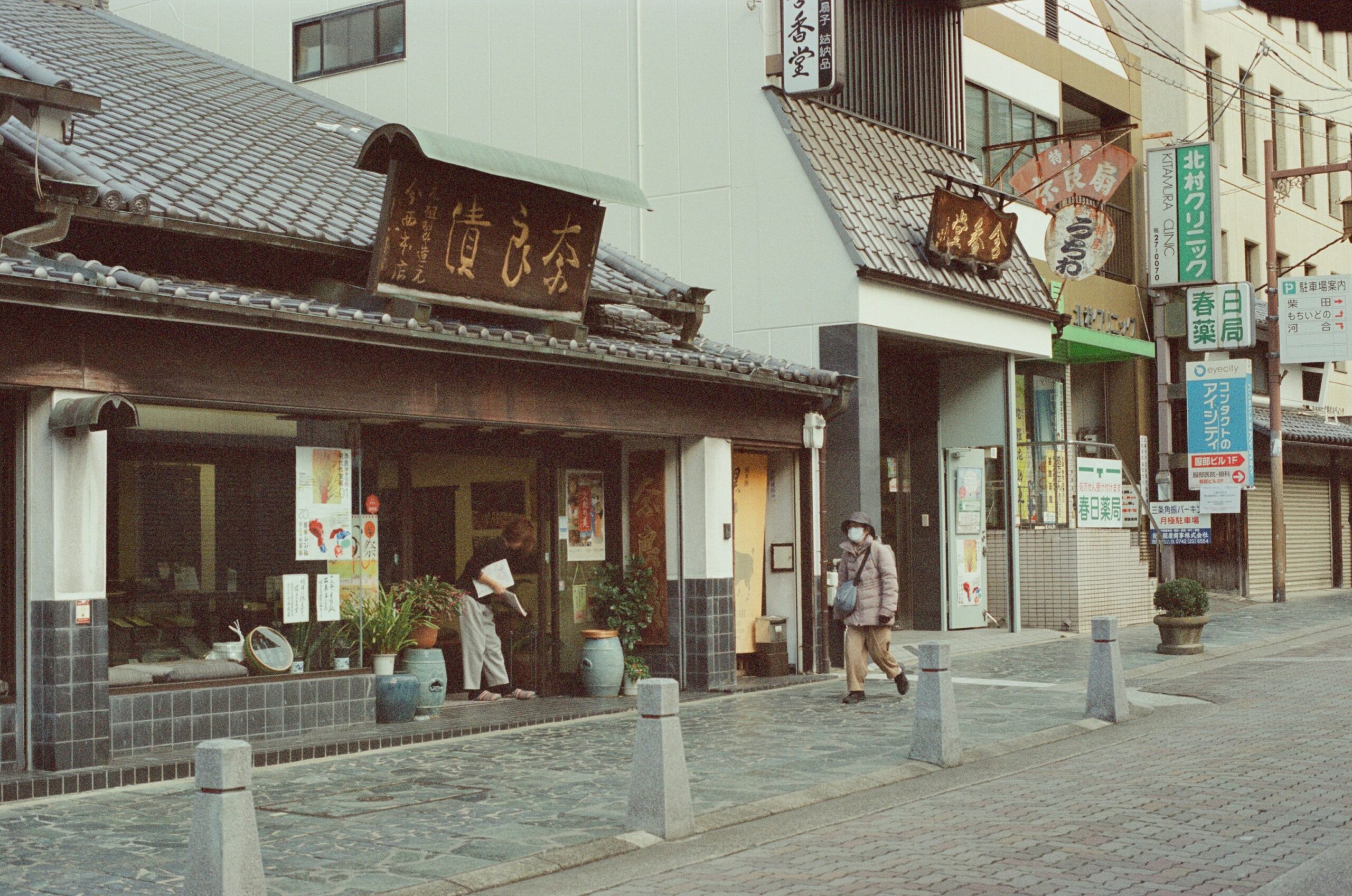
Evening atmosphere in Gion, Kyoto’s famous geisha district
These places are perfect for strolling in kimono, offering a blend of elegance, architecture, and nature without needing to travel outside the city. And, when paired with a professional photo session, the experience becomes a timeless memory.
If you want to enjoy Kyoto in traditional attire, you can easily book a kimono photoshoot through AllPhotos Kyoto to get expert styling, rental options, and breathtaking images in these iconic neighborhoods:
👉 https://allphoto-kyoto.com/
Why Wearing a Kimono in Kyoto Feels Different
Kyoto was Japan’s imperial capital for over 1,000 years, which means its traditions developed earlier, deeper, and with greater cultural significance than in many rural towns. Wearing a kimono here is enhanced by:
1. The Architectural Harmony
Kyoto’s machiya townhouses, tiled roofs, wooden lattices, and preserved pathways create an uninterrupted visual harmony that complements silk kimono patterns beautifully.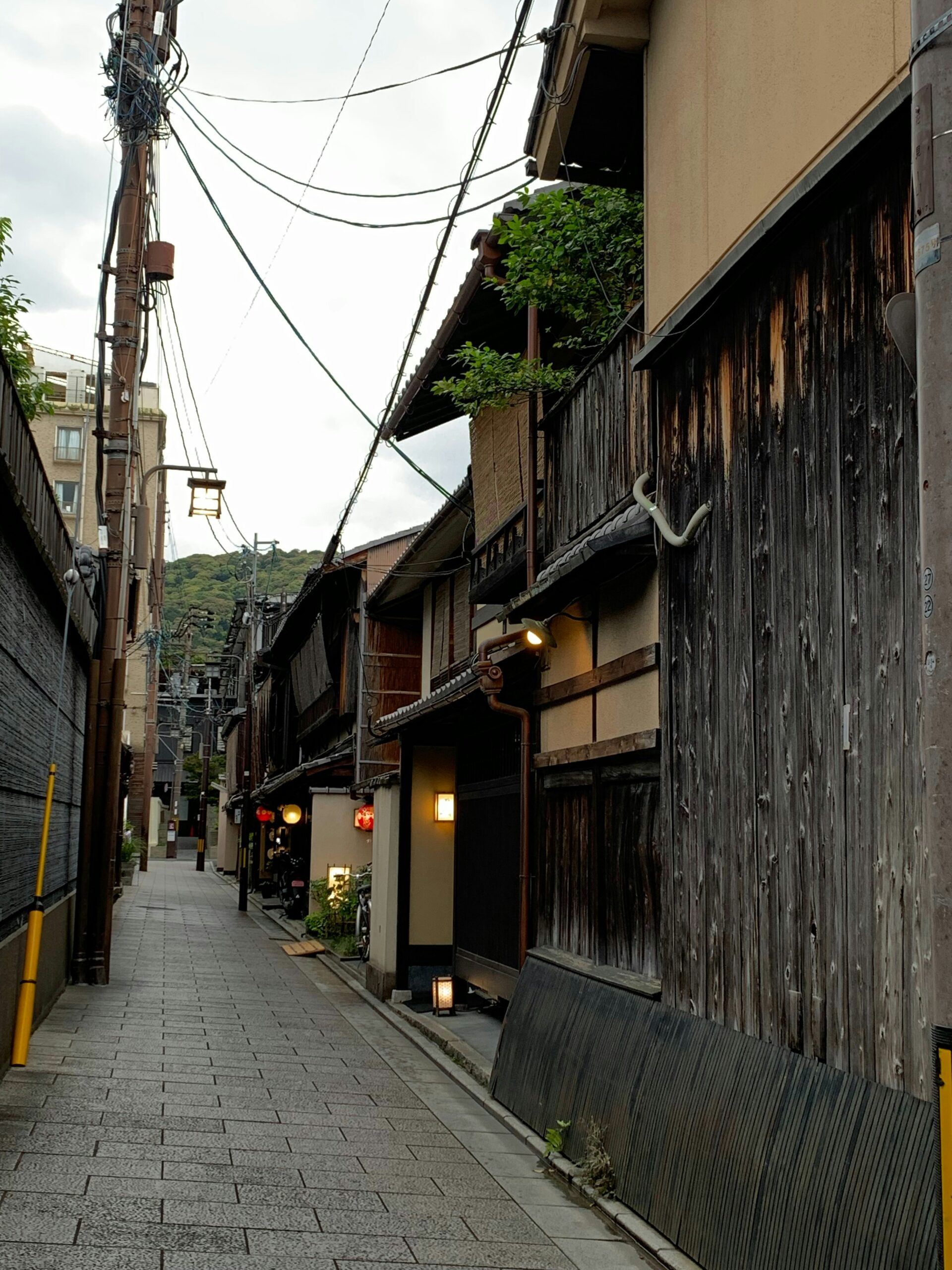
Traditional machiya townhouses preserve Kyoto’s architectural heritage
2. The Living Culture
Unlike some regions where traditional clothing is mostly historical, Kyoto still has:
- geiko and maiko communities,
- local festivals,
- tea ceremonies,
- temple events,
- and daily cultural practices.
Kimono here feels natural—not a costume, but a continuation of everyday tradition.
3. The Photography Experience
Kyoto provides stunning settings that feel like film sets:
- lantern-lit evenings in Gion
- bamboo shadows dancing across fabric in Arashiyama
- sunrise over Kiyomizudera
- autumn maple colors framing kimono sleeves
To capture this magic, a professional photographer elevates the experience. Many travelers choose services like AllPhotos Kyoto to ensure their memories look timeless and tailored to Kyoto’s unique scenery.
Historic Kyoto Districts Perfect for a Kimono Stroll
Below are the best Kyoto spots that evoke the feeling of a historic village—ideal for kimono walks, romantic dates, family outings, or photography.
1. Higashiyama: The Heart of Traditional Kyoto
Higashiyama is one of Kyoto’s most atmospheric districts, with streets that feel unchanged from centuries past. Wooden shops line the stone paths, selling artisanal sweets, incense, pottery, and handcrafted souvenirs.
Key Spots in Higashiyama
- Kiyomizudera Temple (panoramic views and dramatic wooden stage)
- Sannenzaka and Ninenzaka (Kyoto’s most photographed streets)
- Yasaka Pagoda (a stunning five-story pagoda perfect for photography)
The iconic Yasaka Pagoda in Higashiyama District
Why it’s ideal for kimono
The slopes, wooden storefronts, and natural lighting make it perfect for photography sessions. Early mornings provide soft golden light, while sunset adds warm tones across the townscape.
📸 Want professional photos in Higashiyama? Explore kimono plans with AllPhotos Kyoto and capture the essence of Kyoto in the most beautiful way:
👉 https://allphoto-kyoto.com/
2. Gion: Where Kimono Meets Geiko Culture
Gion is Kyoto’s most famous traditional district—a place where culture is still alive. Lanterns hang outside ochaya (tea houses), and geiko and maiko walk its narrow lanes at dusk.
Most scenic areas in Gion
- Hanamikoji Street
- Shirakawa District, with its canals and willow trees
- Kenninji Temple, Kyoto’s oldest Zen temple
Why it feels like a historic village
Gion combines elegance, mystery, and heritage. Wooden facades, soft lighting at night, and traditional soundscapes (like shamisen music drifting from tea houses) make it an ideal place to enjoy a kimono stroll.
Many visitors book a kimono photoshoot or styling package with AllPhotos Kyoto to enjoy a professional experience in this iconic district.
👉 https://allphoto-kyoto.com/
3. Arashiyama: Nature, Bamboo, and Riverside Charm
If you want a kimono stroll with both natural scenery and a traditional village feel, Arashiyama is perfect. Its blend of mountains, rivers, temples, and bamboo forests makes it one of the most photogenic areas in Kyoto.
The enchanting bamboo groves of Arashiyama
Top spots in Arashiyama
- Bamboo Grove (best early in the morning)
- Togetsukyo Bridge (panoramic river and mountain views)
- Tenryuji Temple (UNESCO garden, ideal for peaceful walks)
Kimono in Arashiyama
The contrast between the natural greens of bamboo and the colors of kimono fabrics is breathtaking. Photos here often look cinematic, especially during spring and autumn.
Enhance your visit with a professional photo experience from AllPhotos Kyoto—perfect for couples, families, or solo travelers discovering Arashiyama’s beauty.
👉 https://allphoto-kyoto.com/
4. Kurama and Kibune: Kyoto’s Mountain Village Escape
Just north of the city center, Kurama and Kibune feel like quiet mountain villages hidden among cedar forests. Despite being part of Kyoto, they offer a serene rural atmosphere similar to historic countryside towns.
What makes this area special
- narrow paths lined with moss and old wooden inns
- hot springs and spiritual landmarks
- rich folklore and nature-centered traditions
Why it’s ideal for kimono
These villages are peaceful, scenic, and perfect for travelers wanting a quieter backdrop away from central Kyoto crowds—yet still within the city.
A photo session here creates images that look like classic Japanese art. For customizable kimono and photography packages, consider booking with AllPhotos Kyoto.
👉 https://allphoto-kyoto.com/
Seasons in Kyoto: What to Wear and When
Kyoto transforms dramatically throughout the year, and each season offers unique advantages for kimono outings.
🌸 Spring (March–May): Cherry Blossoms in Full Bloom
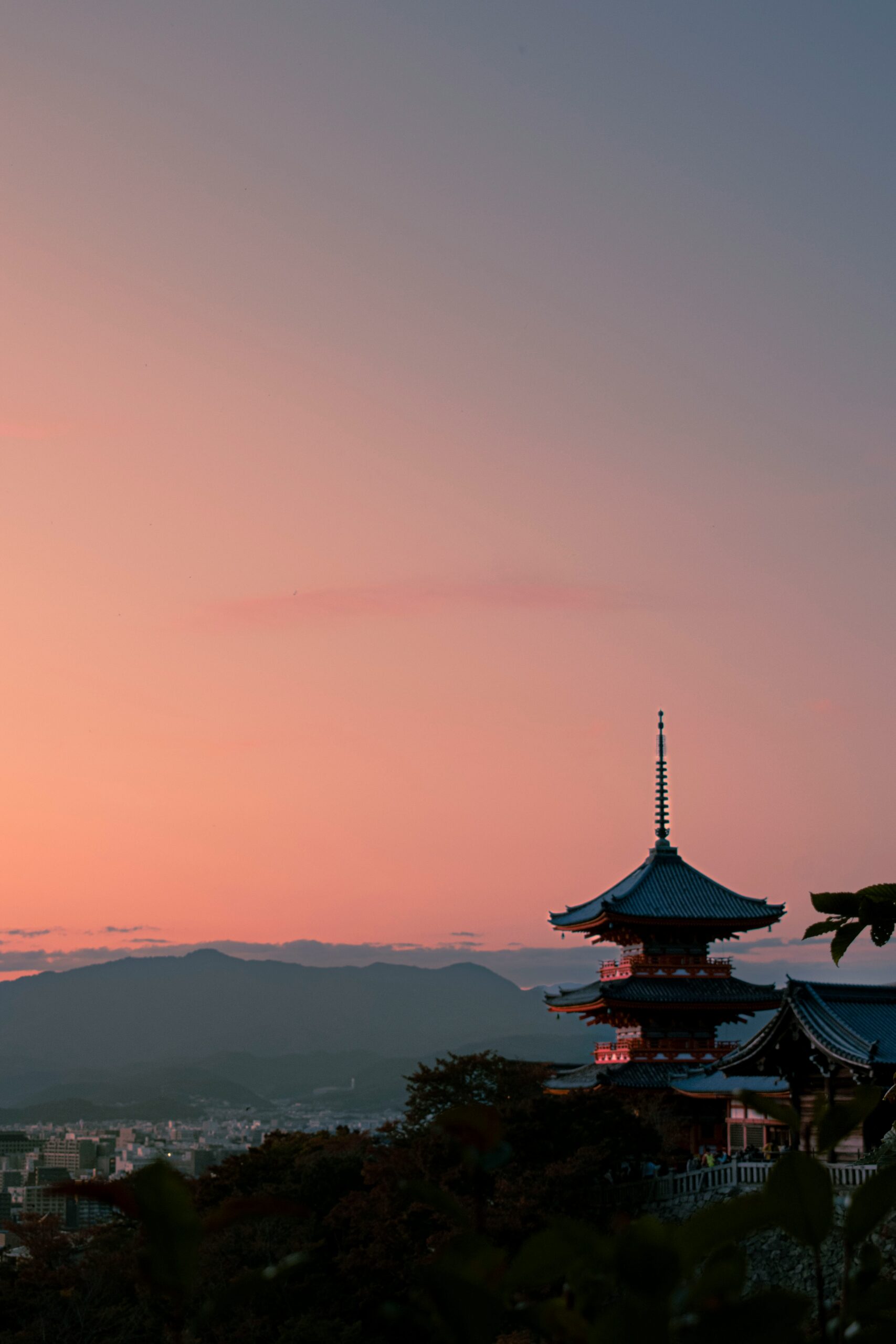
Spring cherry blossoms frame Kiyomizudera Temple
Kimono fabrics with floral motifs match beautifully with cherry trees along:
- Maruyama Park
- Philosopher’s Path
- Kamo River
This is one of the most popular seasons for kimono photography.
🌿 Summer (June–August): Lush Greens and Festivals
Light cotton kimono (yukata) keep you cool. Popular summer locations include:
- Gion Festival routes
- Kamogawa riverside
Evening photo sessions capture lantern-lit beauty perfectly.
🍁 Autumn (October–December): Red Maple Leaves
Autumn’s fiery maple leaves transform Kyoto temples
Kyoto’s fall foliage is world-famous. Wear rich colors like crimson, gold, or emerald to complement:
- Tofukuji Temple Valley
- Arashiyama mountains
This season is also ideal for couples’ kimono photoshoots.
❄️ Winter (January–February): Quiet Streets and Occasional Snow
Winter highlights Kyoto’s peaceful charm. Snow-covered temples or bamboo can create magical, ethereal scenes—especially good for silk kimono with darker tones.
For any season, AllPhotos Kyoto offers styling guidance and seasonal kimono options tailored to the weather and the best photo spots.
👉 https://allphoto-kyoto.com/
Tips for Wearing a Kimono Comfortably in Kyoto
1. Choose the Right Fabric
- Silk for elegance (best in cooler months)
- Cotton yukata for summer
- Synthetic blends for practicality and comfort
2. Consider Footwear
Zori sandals look traditional but can feel different from Western shoes—wear tabi socks for better comfort.
3. Stay Hydrated
Especially in summer or during long walks in Higashiyama.
4. Mind the Slopes
Areas like Sannenzaka have steep steps—walk slowly and hold your kimono hem.
5. Photogenic Timing
Early mornings and late afternoons are ideal for photography.
Photography Tips for Capturing the Perfect Kyoto Kimono Photos
Even without professional help, you can take beautiful photos in Kyoto—but expert photographers know the secret angles, lighting, and poses. Here are some insights:
1. Use Natural Framing
Pagodas, doorways, bamboo stalks, and torii gates make stunning frames.
2. Capture Movement
A subtle turn, sleeve lift, or step can show kimono flow and elegance.
3. Include Kyoto’s Textures
Wooden walls, stone paths, moss gardens, and lantern light add depth.
4. Golden Hour Magic
Kyoto’s warm evening sunlight enhances kimono colors dramatically.
5. Don’t Rush
Kyoto is best photographed slowly and with intention.
If you prefer a stress-free experience, consider booking a full photography package with AllPhotos Kyoto, which includes guidance, location recommendations, and kimono coordination.
👉 https://allphoto-kyoto.com/
Conclusion: Experience Kyoto the Way It Was Meant to Be—In Kimono
Kyoto is the city where Japan’s cultural heart still beats. Wearing a kimono while strolling through its historic streets—whether Gion, Higashiyama, Arashiyama, or the mountain villages of Kurama and Kibune—creates an experience that feels timeless and unforgettable.
If you’ve ever imagined yourself walking through a place that resembles a historic village like Takayama or Hida, you don’t need to travel far. Kyoto already offers that charm, authenticity, and elegance at every turn.
To elevate your visit, capture memories, or simply enjoy Kyoto in a more meaningful way, you can explore kimono experiences and photo sessions with AllPhotos Kyoto:
👉 https://allphoto-kyoto.com/
Make your Kyoto adventure unforgettable.
Step into tradition.
Live the moment in kimono.


コメント