Welcome to a journey through the vibrant world of harvest and agricultural rituals in Kyoto — a world where traditional kimonos meet ancient ceremonies of gratitude for the fruits of the land. At AllPhoto Kyoto, we specialize in capturing those meaningful moments through photography in Kyoto’s most scenic cultural settings. Whether you’re participating in a temple ritual, attending a shrine harvest festival, or simply want to document a kimono-dressed walk through Kyoto’s countryside, this post will guide you through the significance of these traditions, the role of the kimono, and how we can help you make it memorable.
- 1. Kyoto’s Autumn Harvest and Agricultural Ritual Traditions
- 2. The Role of the Kimono in Ceremony & Ritual
- 3. Best Locations in Kyoto for Harvest-Ritual Kimono Photography
- 4. How to Prepare for Your Kimono Harvest-Ritual Photo Session
- 5. Storytelling Through Photography: Capturing the Spirit of Harvest Rituals
- 6. Why This Experience is Unique in Kyoto
- 7. Common Questions and Answers
- 8. Take the Next Step
- Conclusion
1. Kyoto’s Autumn Harvest and Agricultural Ritual Traditions
1.1 The Meaning of Harvest in Japanese Shintō Culture
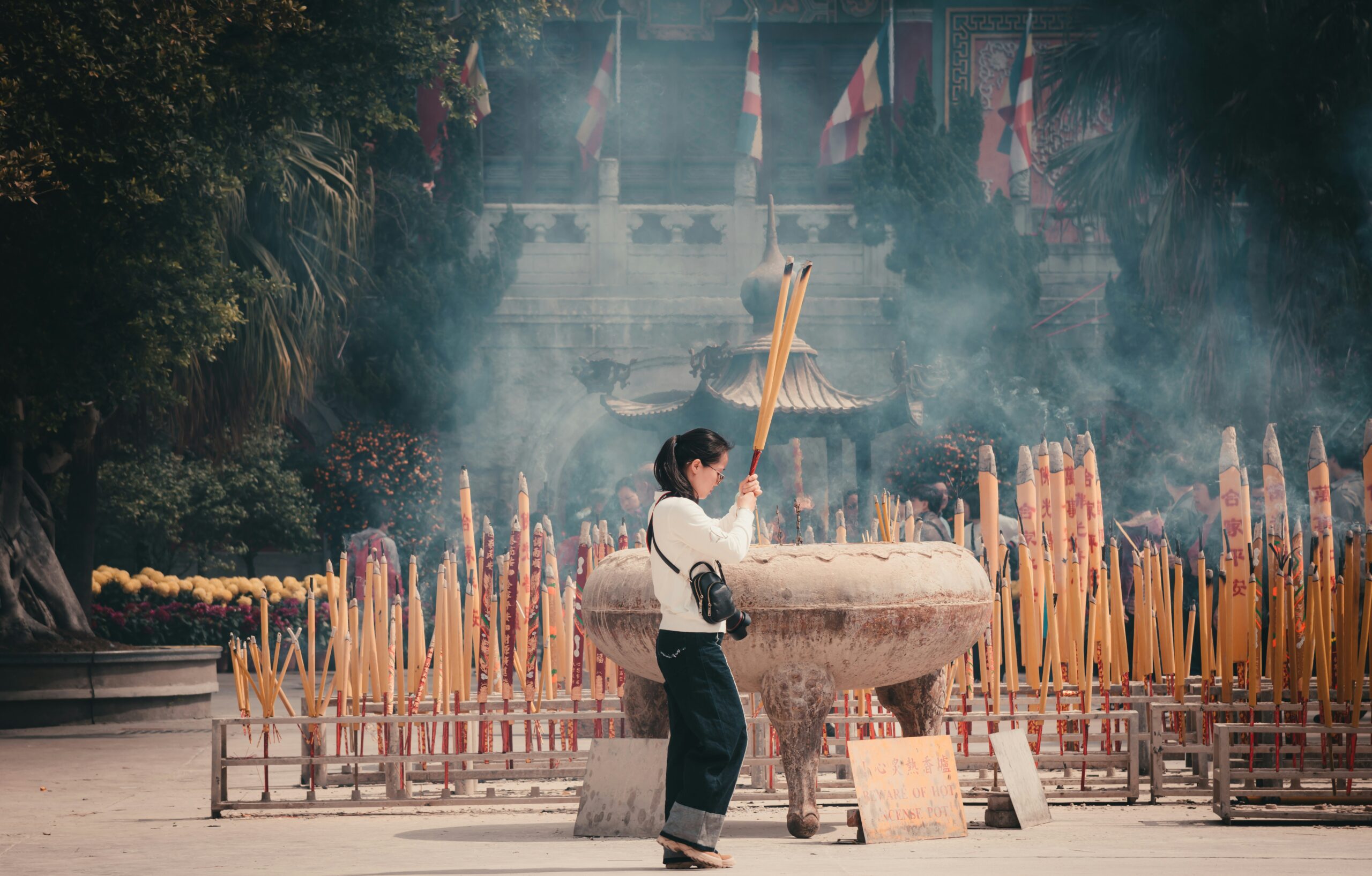
In Japan, the end of the agricultural year is not simply a time of harvest but a moment of offering and gratitude. Rituals such as the Niiname‑no‑Matsuri (also called Shinjō-sai) symbolise giving thanks for the newly harvested rice and crops. Wikipedia +1 In Kyoto, you’ll find variations of these ceremonies at major shrines, where deities are offered the first grains and peasants, villagers, and cityfolk alike join in observance.
1.2 Local Kyoto Rituals of Note
At Fushimi Inari‐taisha the “Nukiho-sai” (October) and “Shinjo-sai” (November) rituals mark harvested rice being offered to the deity Inari-Okami. Inari
At Kamigamo‑jinja, the “Karasuzumo” ritual is performed before the rice harvest: two men in white hop nine times, imitate crows, then children wrestle in a symbolic sumo match in front of the shrine. It shows how agriculture, sport and ritual intertwine. 賀茂別雷神社(上賀茂神社:かみがもじんじゃ)公式Webサイト
In autumn moon-viewing events held at shrines such as Hirano‑jinja in Kyoto, offerings and rituals are held under the full moon in honour of the harvest. Kyoto Travel
1.3 Why Kimonos Are Especially Suited for These Events
Wearing a kimono during a harvest ritual or shrine visit connects one visually and experientially to the tradition and the land. The flowing fabrics, subtle motifs (often seasonal), and the disciplined way of wearing it evoke respect, mindfulness, and a deep sense of place — perfect for rituals that honour nature and agricultural cycles.
2. The Role of the Kimono in Ceremony & Ritual
2.1 Choosing the Right Kimono for Harvest Rituals
When selecting a kimono to wear for a harvest ceremony or agricultural ritual, consider the following:
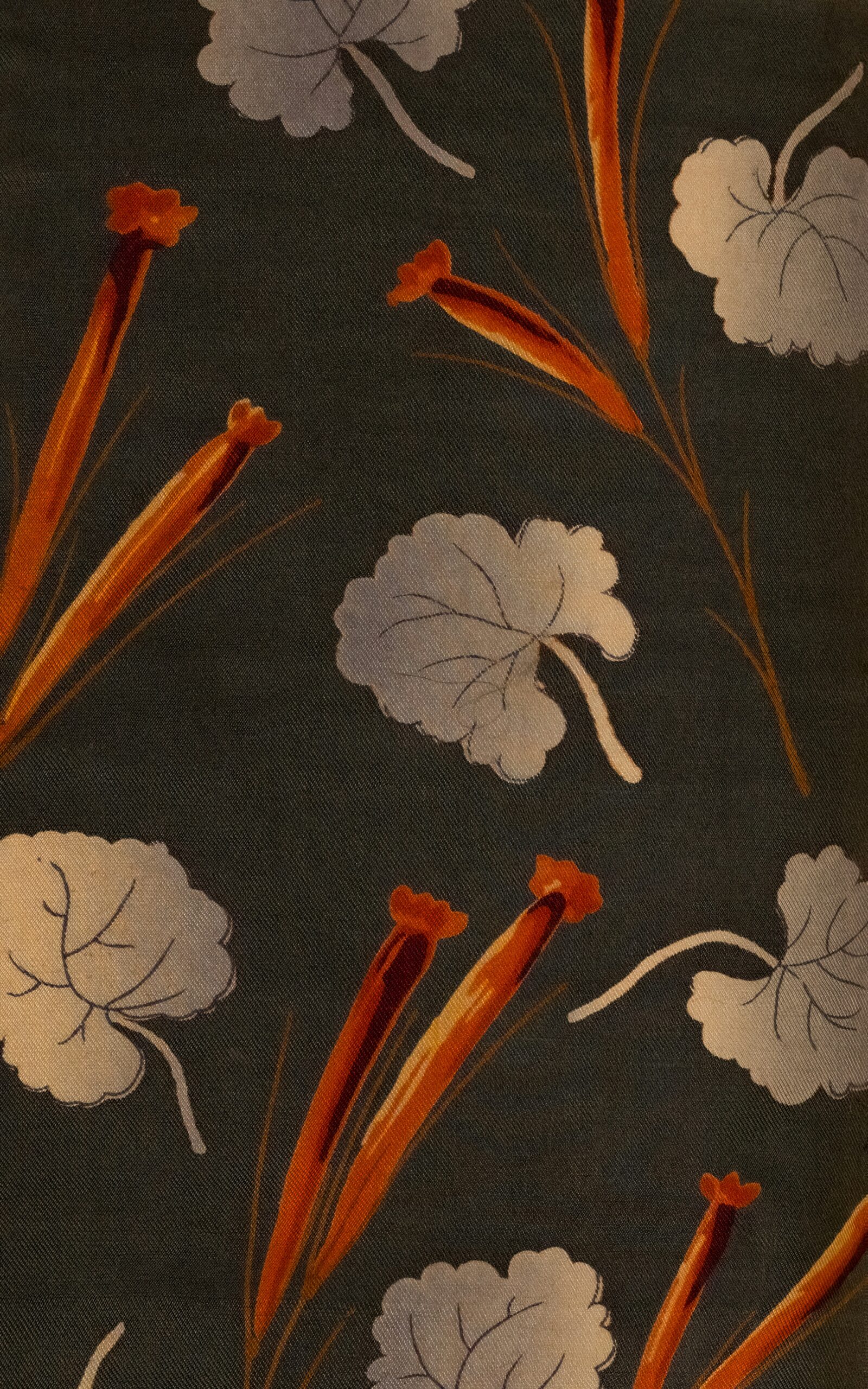
Seasonal motifs: Autumn motifs such as rice stalks, chrysanthemums, maple leaves, or moon designs align with harvest themes.
Colour palette: Warm earth tones, deep reds, rich greens, and golds echo the harvest season and shrine environs.
Formality: Since many of these rituals are solemn and sacred, opt for kimono styles that lean towards formal rather than casual.
Accessories & styling: Obi (belt), obi-jime, handbag, hair ornaments — all should harmonise with the season and setting.
2.2 Photographic Considerations
For best photography results (and thus memorable memories), keep in mind:
Choose natural light settings early or late in the day for soft golden light.
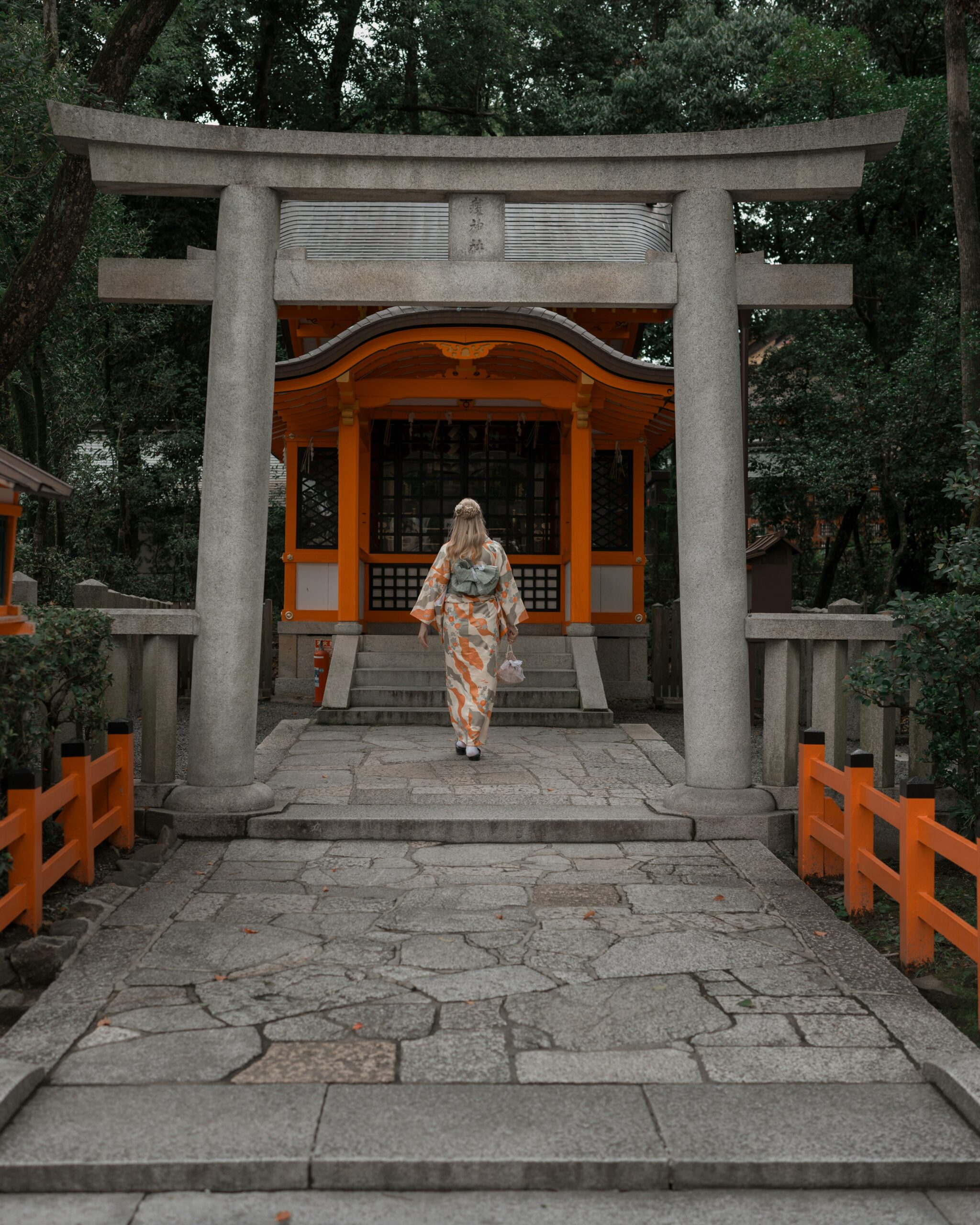
Pick backgrounds that evoke the ritual: shrine gates (torii), rice fields, autumn foliage, stone pathways.
Capture detail shots: the kimono fabric, obi knot, traditional sandals (zōri) plus tabi socks.
Use wide shots to situate you within the ritual context, and closer portraits to capture the textile detail.
2.3 How AllPhoto Kyoto Helps You
At AllPhoto Kyoto, we offer:
A wide selection of kimonos suitable for ceremonial harvest or shrine settings.
Professional photography at iconic Kyoto locations (temples, shrines, rice-field backdrops).
Assistance with styling, making sure your kimono, accessories, and hair styling are appropriate for both ceremony and photography.
Guidance on how to pose for both traditional and modern aesthetics to reflect the event’s solemnity and joy.
3. Best Locations in Kyoto for Harvest-Ritual Kimono Photography
3.1 Shrines with Ritual Significance
Kamigamo-jinja: Set in a more forested area of Kyoto, it offers a tranquil and sacred atmosphere perfect for ritual-themed photos.
Fushimi Inari-taisha: Famous torii pathways, rice-offering rituals and autumn ceremonies give a strong harvest-ritual context.
Hirano-jinja: Autumn moon-viewing and harvest festival settings offer soft light, shrine architecture, and seasonal foliage.
3.2 Scenic Agricultural Backdrops
Beyond purely shrine settings, consider more pastoral environments:
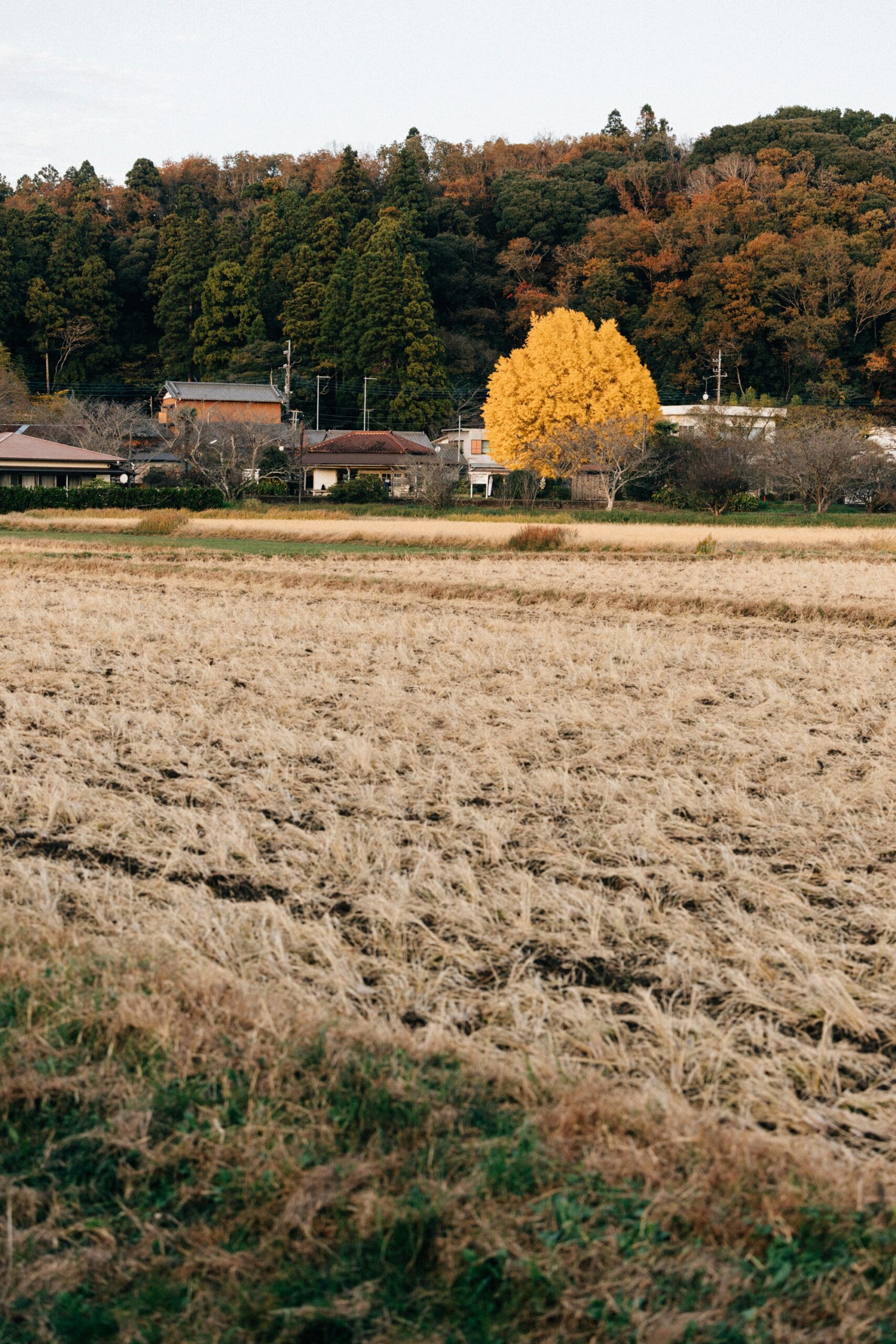
Rice fields in northern Kyoto (e.g., the countryside around the Arashiyama or Takao area) where you can visualise rice-stalks, harvest time, and traditional rural Kyoto life.
Temple gardens with autumn leaves reflecting the season of harvest and transition.
3.3 Combining Ceremony & Kimono for Maximum Effect
For example, arrive in a kimono at a shrine hosting a harvest or moon-viewing ritual, capture the processional architecture and the ritual atmosphere, then move to a nearby field or garden for contrast between sacred ceremony and natural harvest landscape.
4. How to Prepare for Your Kimono Harvest-Ritual Photo Session
4.1 Booking & Timing
Reserve your kimono and photo session ahead of time with AllPhoto Kyoto (link: https://allphoto-kyoto.com/) to ensure availability of ideal kimonos and locations.
Try to schedule around the actual ritual times or harvest-friendly light (late afternoon, golden hour) for better ambiance.
Allow extra time for dressing, hair styling, and travel between sites.
4.2 Selecting Your Kimono and Style
Bring or select accessories that complement the harvest-theme: e.g., an obi with gold thread, maple-leaf hairpins, rice-stalk motif haori.
Confirm footwear and socks (zōri & tabi) are in good condition — details will show up in high-resolution photos.
Consider bringing a change of accessories (bag, shawl) to capture both formal and more relaxed moments.
4.3 On the Day of the Shoot
Arrive early at the studio or rental shop so you’re not rushed.
Stay hydrated and wear comfortable under-layers — kimonos can be structured and require a stable posture.
Be respectful of ritual sites: if attending a shrine ceremony, follow any rules (quiet, photography permitted or not, shoes off, etc.).
Enjoy the moment: part of the value of the session is immersive — letting the kimono, the ritual setting, and the camera capture your experience.
5. Storytelling Through Photography: Capturing the Spirit of Harvest Rituals
5.1 Visual Narrative Ideas
Begin with a detail shot: hands adjusting the obi, folded kimono sleeves, silk fabric with shine catching the light.
Move to a medium shot: you in full kimono walking through the torii gates, rice-field edge, or shrine lantern path.
Finish with a wide-angle: you within the ritual space — shrine building in the background, or a rural field with harvested stalks and mountains beyond.
Include seasonal elements: autumn foliage, rice-harvest bundles, shrine rituals in progress, moonlight if shooting a harvest-moon event.

5.2 Emotion & Mood
Convey gratitude and calm — harvest rituals are about giving thanks and connection to nature. The expression, posture and environment should reflect that.
Mix tradition and modernity: while wearing a traditional kimono, you can incorporate subtle modern touches (pose, gaze, composition) to create a unique photographic memory.
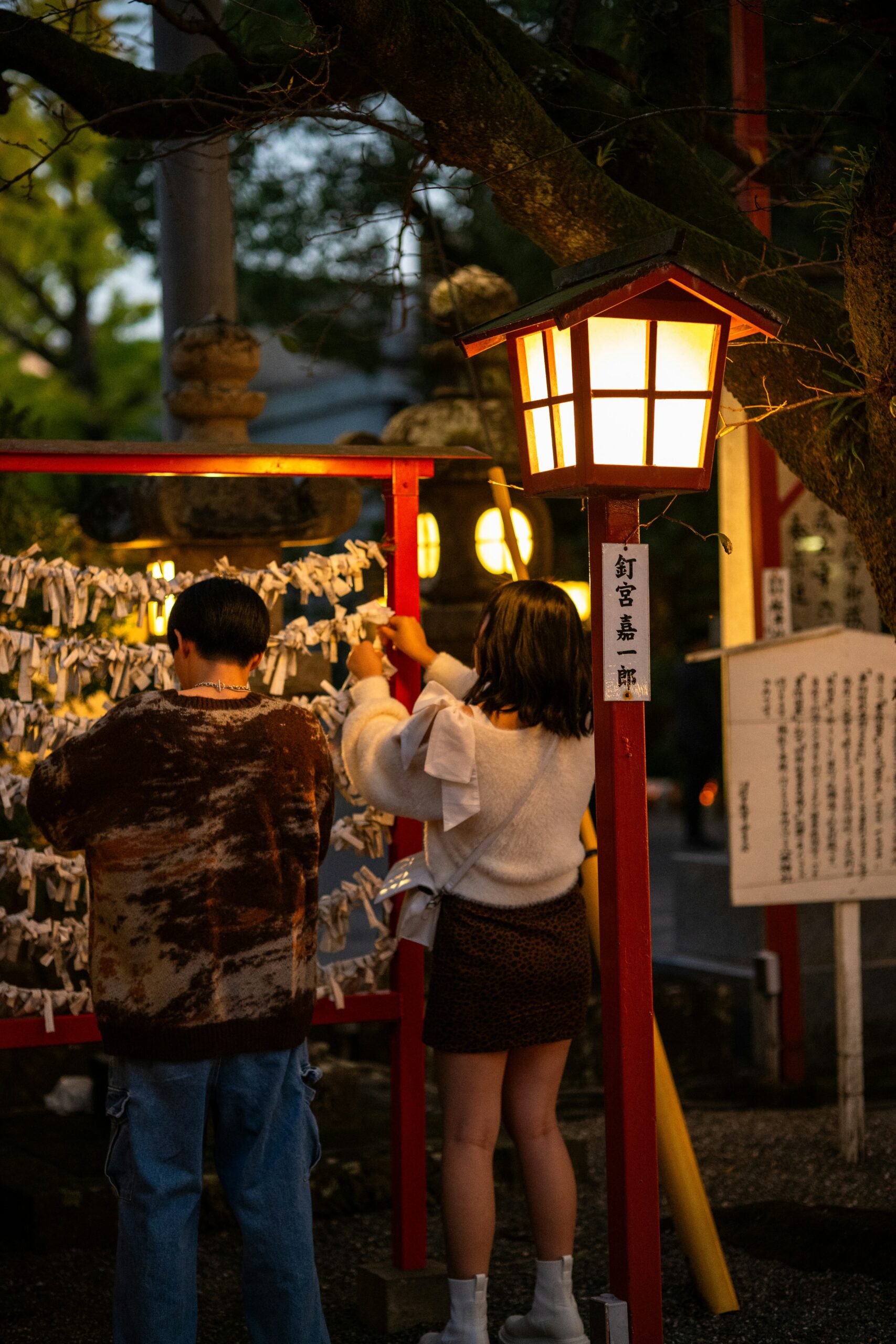
Use lighting to evoke mood: golden hour sun, soft autumn glow, shrine lanterns at dusk.
5.3 Sharing & Promoting Your Experience
Once you have your photo session, these images can be used not only for personal memories but also for social media, blog posts, or promotional material (for example, if you wish to share about your stay in Kyoto or participation in ritual events).
Tag the location and explain its significance: mention the shrine, the harvest ritual, the meaning of the kimono motifs — this adds storytelling value for your audience and improves discoverability (SEO) if you publish them on a blog or website.
6. Why This Experience is Unique in Kyoto
Kyoto blends the sacred and the agricultural — unlike many urban centres, it retains strong ties to rural tradition, shrine rituals, and seasonal observances. Wearing a kimono in this setting turns a photo session into a cultural journey. With AllPhoto Kyoto you’re not just renting a kimono: you’re stepping into the story of harvest, ritual, and Japanese heritage in one of the most atmospheric cities on earth.
7. Common Questions and Answers
Q: Do I need to understand Japanese or Shintō rituals to participate?
A: Not necessarily. While understanding adds depth, simply witnessing and respectfully participating (wearing appropriate attire, following shrine instructions) is sufficient. The photography team will guide you.
Q: Can I join an actual harvest ritual or is it just a photography session?
A: It depends on timing and location. Some shrines hold public rituals you can attend (e.g., rice-offering, moon-viewing). If you time your visit accordingly and coordinate with AllPhoto Kyoto, you may incorporate the real ritual into your photo story.
Q: What if the weather is bad?
A: Outdoor sessions may need adjustment. Many shrine sites have covered walkways, and alternative indoor or semi-outdoor settings can be arranged. Autumn in Kyoto also brings unpredictable weather, so plan a backup.
Q: Are the kimonos limited to a specific size or style?
A: AllPhoto Kyoto offers a wide range of kimono sizes and styles. If you have special requests (e.g., harvest-themed motifs, autumn colours), mention them ahead of time.
Q: How many photos will I receive and when?
A: The standard package includes a specified number of edited high-resolution photos delivered within a certain time frame. Confirm details with AllPhoto Kyoto upon booking.
8. Take the Next Step
Ready to book your harvest-ritual kimono photo session in Kyoto? Visit https://allphoto-kyoto.com/ to browse rental options, view past work, and secure your date. Whether you’re celebrating participation in a ritual, marking a seasonal visit, or simply immersing yourself in Kyoto’s cultural rhythm — this is your opportunity to wear a kimono, embrace the ritual, and capture the moment.Book Your Session Now
Conclusion
Harvest ceremonies and agricultural rituals in Kyoto are rich in tradition, meaning and visual appeal. When you add the elegant presence of a kimono, you transform a photo session into a cultural experience. With AllPhoto Kyoto, you can step into this world, dressed in tradition, and come away with images that resonate far beyond the moment. Embrace the season, honour the land, and wear your kimono with pride — Kyoto is waiting.


コメント