The Legacy of the Kimono in Wabi-Sabi Culture
Kyoto is often described as the beating heart of Japan’s traditions, where centuries-old customs blend with the quiet philosophy of wabi-sabi—the appreciation of imperfection, transience, and understated beauty. At the center of this cultural landscape stands the kimono, a garment that is not just clothing, but a profound symbol of Japanese aesthetics and philosophy.
In this article, we’ll explore how the kimono embodies wabi-sabi, why Kyoto is the ideal city to experience this legacy, and how modern visitors can connect with this tradition through kimono photography experiences that capture timeless beauty.
- What is Wabi-Sabi?
- A Brief History of the Kimono
- How the Kimono Reflects Wabi-Sabi Philosophy
- Kyoto: The Living Museum of Kimono
- Experiencing Kimono in Kyoto Today
- The Symbolism Behind Kimono Elements
- The Role of Kimono in Modern Kyoto Culture
- How Kimono Photography Embodies Wabi-Sabi
- Practical Tips for Your Kimono Experience in Kyoto
- Suggested Images for the Blog
- Conclusion
What is Wabi-Sabi?
Before diving into the kimono, it’s important to understand the wabi-sabi philosophy. Unlike Western ideals that often pursue perfection and symmetry, wabi-sabi teaches us to appreciate:
Wabi: Simplicity, humility, and harmony with nature.
Sabi: The beauty of aging, patina, and impermanence.
When applied to daily life, wabi-sabi is about finding elegance in the natural cycle of growth and decay, valuing the handmade over the flawless, and celebrating authenticity.
The kimono, with its seasonal fabrics, delicate colors, and patterns that change with time, is perhaps one of the most vivid expressions of wabi-sabi in Japanese culture.
A Brief History of the Kimono
The word kimono literally means “thing to wear,” but its meaning is far deeper. The evolution of the kimono reflects shifts in Japan’s cultural identity:
Heian Period (794–1185): Early layered robes (jūnihitoe) established the foundations of kimono aesthetics.
Edo Period (1603–1868): Kimono design flourished, with samurai, merchants, and townspeople adopting different styles to express status and taste.
Meiji Era (1868–1912): Western clothing was introduced, but the kimono remained central to ceremonies and traditions.
Modern Japan: Today, kimono is worn primarily on special occasions, yet its symbolic value endures.
Kyoto, as the imperial capital for over 1,000 years, played a pivotal role in this history. Many of its artisans continue to craft silk, dye fabrics, and hand-paint motifs in ways that remain faithful to centuries-old techniques.
How the Kimono Reflects Wabi-Sabi Philosophy
The kimono’s connection to wabi-sabi is visible in many aspects:
Natural fabrics: Traditionally made of silk, cotton, or hemp, each kimono embraces the natural texture of the material.
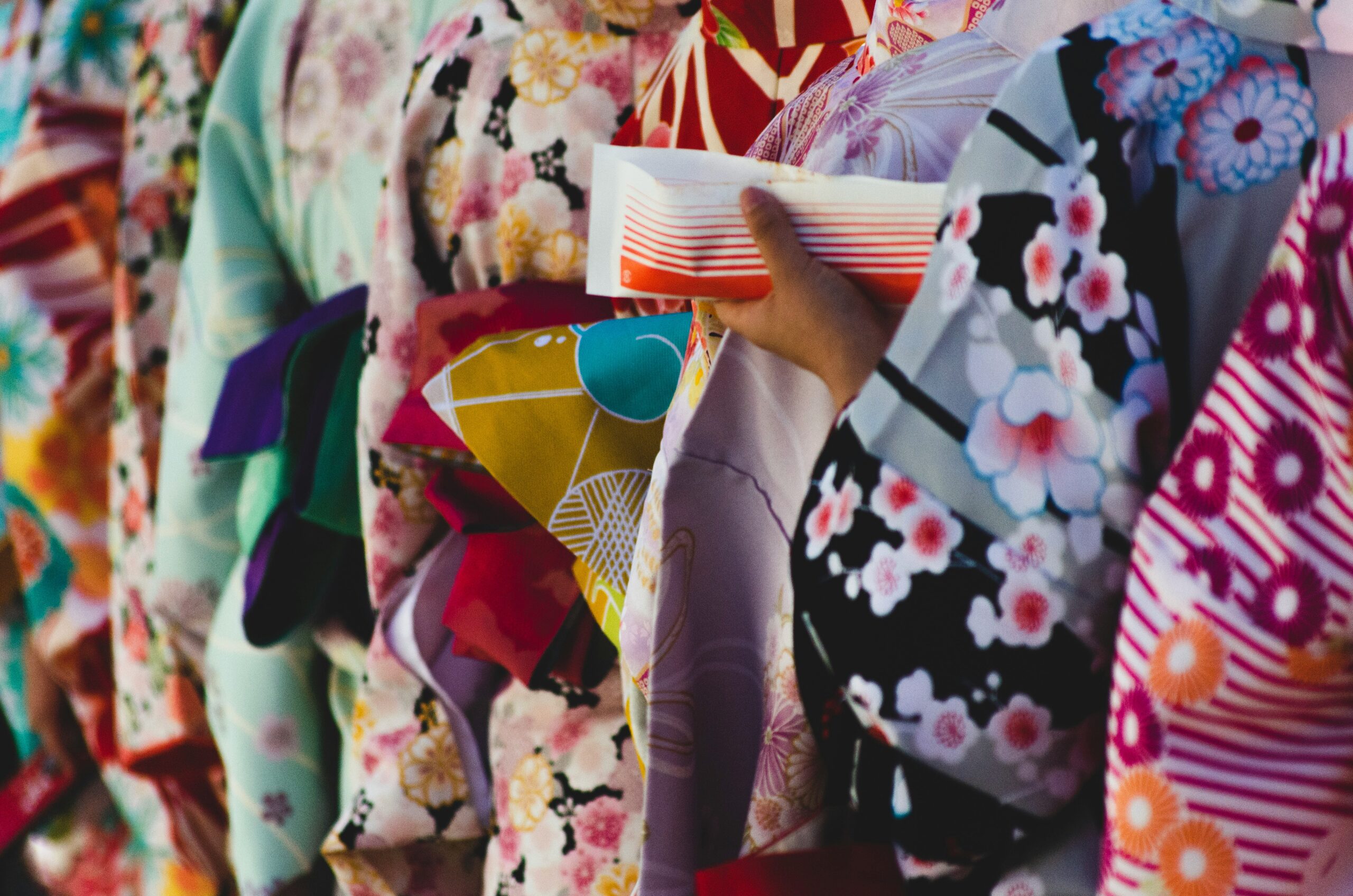
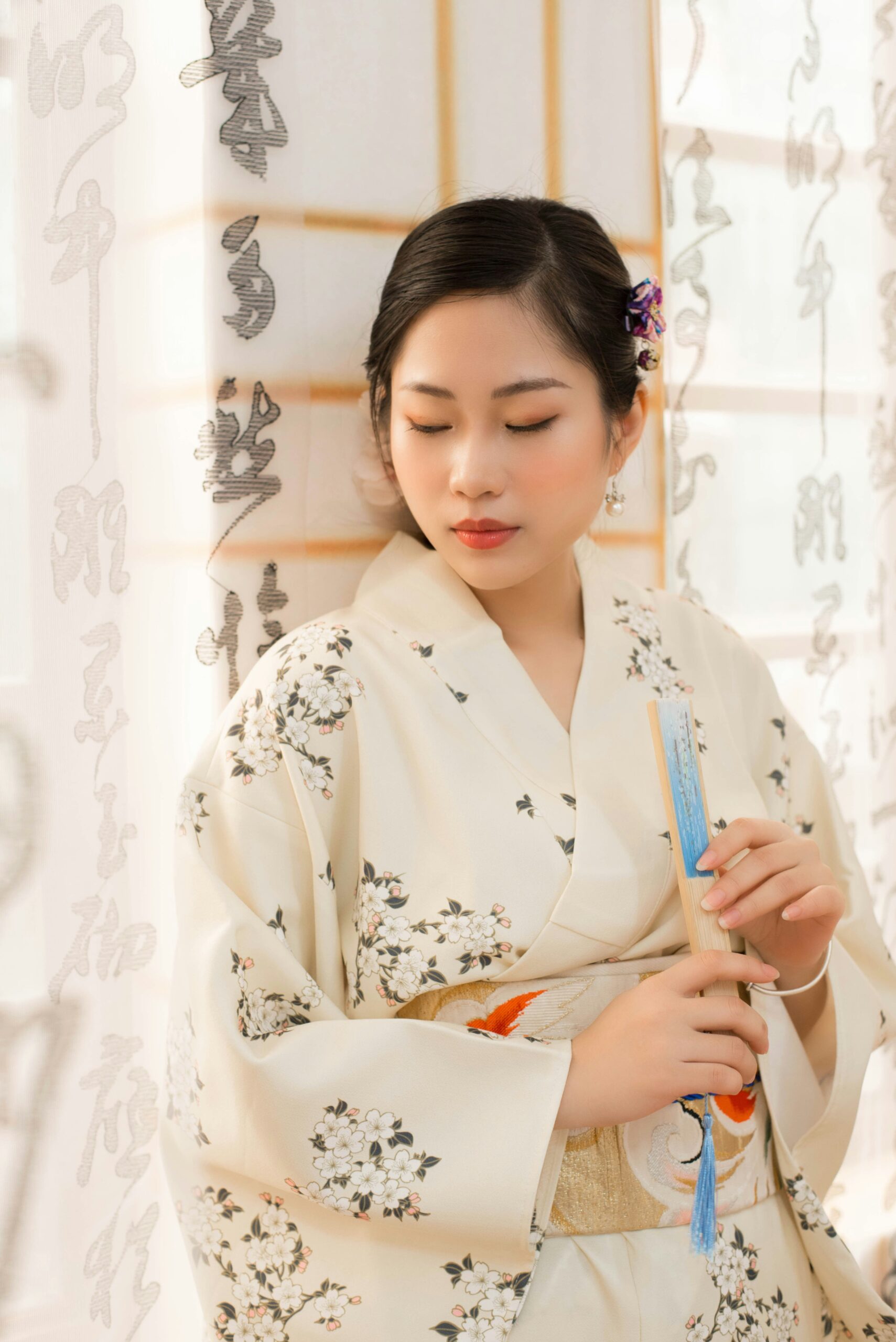
Seasonal colors and motifs: Cherry blossoms for spring, maple leaves for autumn—symbolizing impermanence.
Hand-dyed patterns: Each stroke contains subtle imperfections, highlighting uniqueness rather than mass production.
Passing down garments: Families often hand down kimonos across generations, where slight fading adds to their beauty.
Unlike fast fashion, a kimono is not disposable; it ages gracefully, reminding us of the ephemeral nature of life.
Kyoto: The Living Museum of Kimono
Why is Kyoto the best place to experience kimono culture?
Historic districts: Gion, Pontocho, and Higashiyama remain preserved, where wearing kimono feels like stepping back in time.
Artisan workshops: Local dyers, weavers, and tailors still operate, keeping traditions alive.
Cultural events: Kyoto hosts festivals such as Gion Matsuri and Jidai Matsuri, where kimono plays a central role.
Photography opportunities: Temples, shrines, and seasonal landscapes create the perfect backdrop to capture kimono in the spirit of wabi-sabi.

If you want to truly understand the intersection of kimono and wabi-sabi, Kyoto is unmatched.
Experiencing Kimono in Kyoto Today
For visitors, experiencing the kimono isn’t just about renting clothing—it’s about immersing yourself in a philosophy.
Kimono Rental in Kyoto: Many studios offer rentals, allowing you to walk through the city dressed traditionally.
Professional Kimono Photography: Capture the moment against iconic Kyoto landmarks like Yasaka Shrine, Kiyomizu-dera, or the quiet alleys of Gion.
Learning from Artisans: Some workshops teach dyeing techniques such as yuzen or shibori, offering a deeper appreciation of craftsmanship.
👉 If you’re planning a trip to Kyoto and want to preserve this timeless experience, check out AllPhotos Kyoto, where you can book professional kimono photography sessions that embody the elegance of wabi-sabi.
The Symbolism Behind Kimono Elements
Each kimono tells a story. Here are some of the symbolic elements often overlooked:
Colors: White for purity, red for vitality, black for formality.
Motifs: Cranes for longevity, bamboo for resilience, plum blossoms for renewal.
Seasons: Kimonos are carefully chosen to reflect the natural world outside, aligning the wearer with the rhythms of life.
This symbolic language mirrors wabi-sabi values—ephemeral, understated, and deeply connected to nature.
The Role of Kimono in Modern Kyoto Culture
While everyday wear has shifted to Western styles, the kimono is far from obsolete. In Kyoto, it is central to:
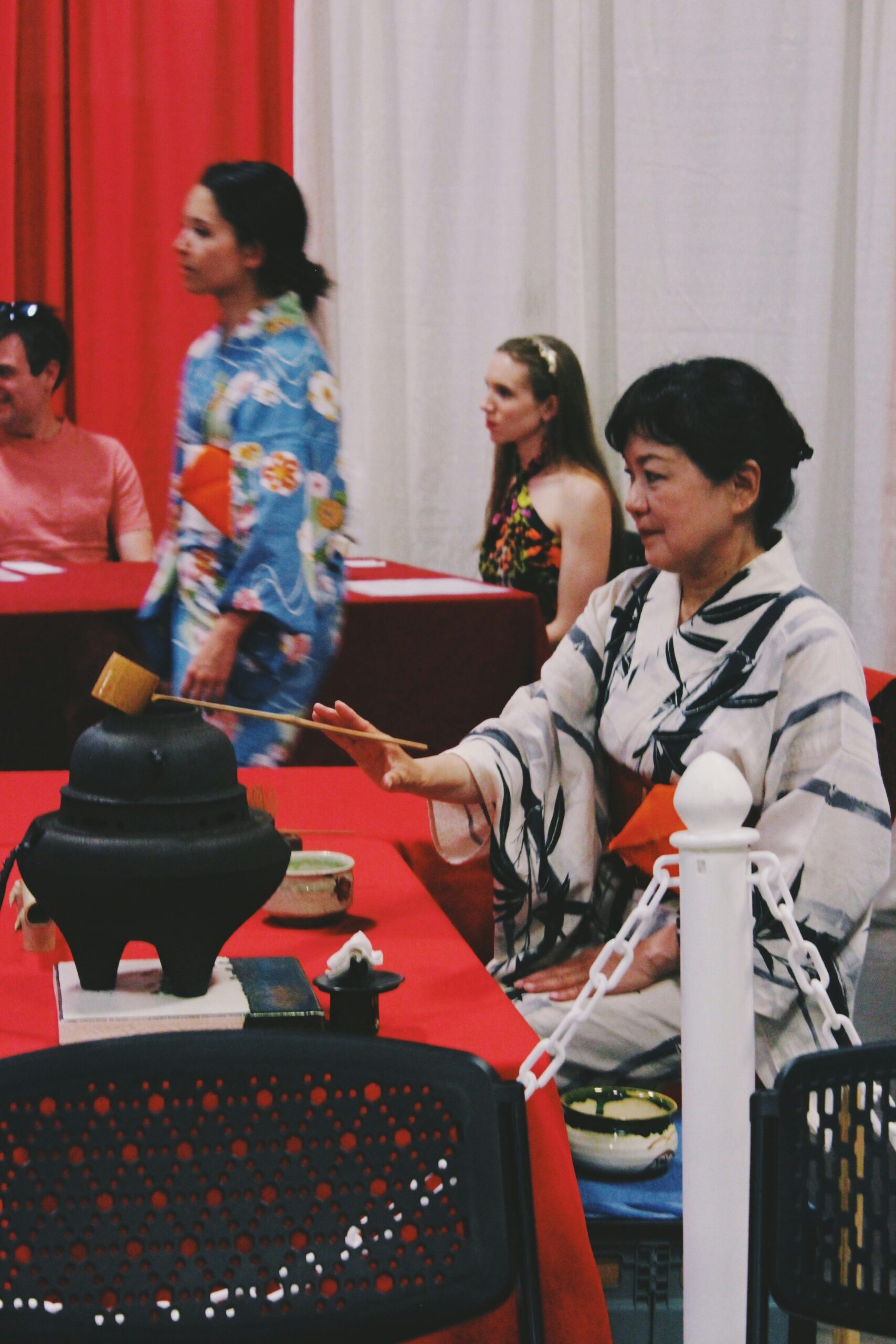
Tea ceremonies: Reflecting harmony and respect.
Weddings and graduations: Marking important transitions in life.
Festivals: A living expression of heritage and identity.
Tourism: Visitors from all over the world seek kimono experiences to connect with Japanese culture.
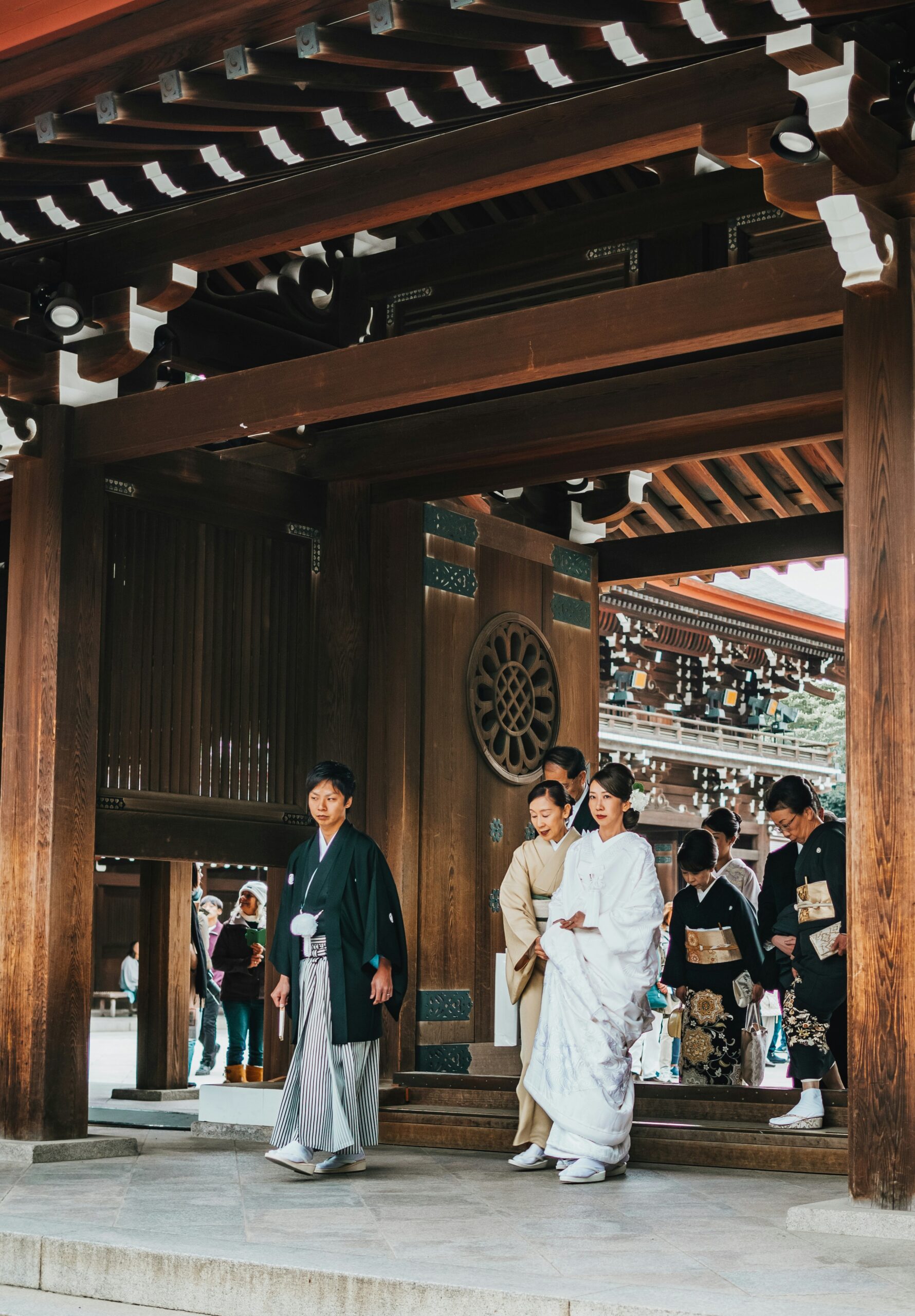
Even in modern fashion, designers reinterpret kimono patterns and silhouettes, proving its timeless influence.
How Kimono Photography Embodies Wabi-Sabi
Photography in kimono is not only about aesthetics—it’s about storytelling. A photograph captures the fleeting beauty of a moment, aligning perfectly with the wabi-sabi idea of impermanence.
Imagine:
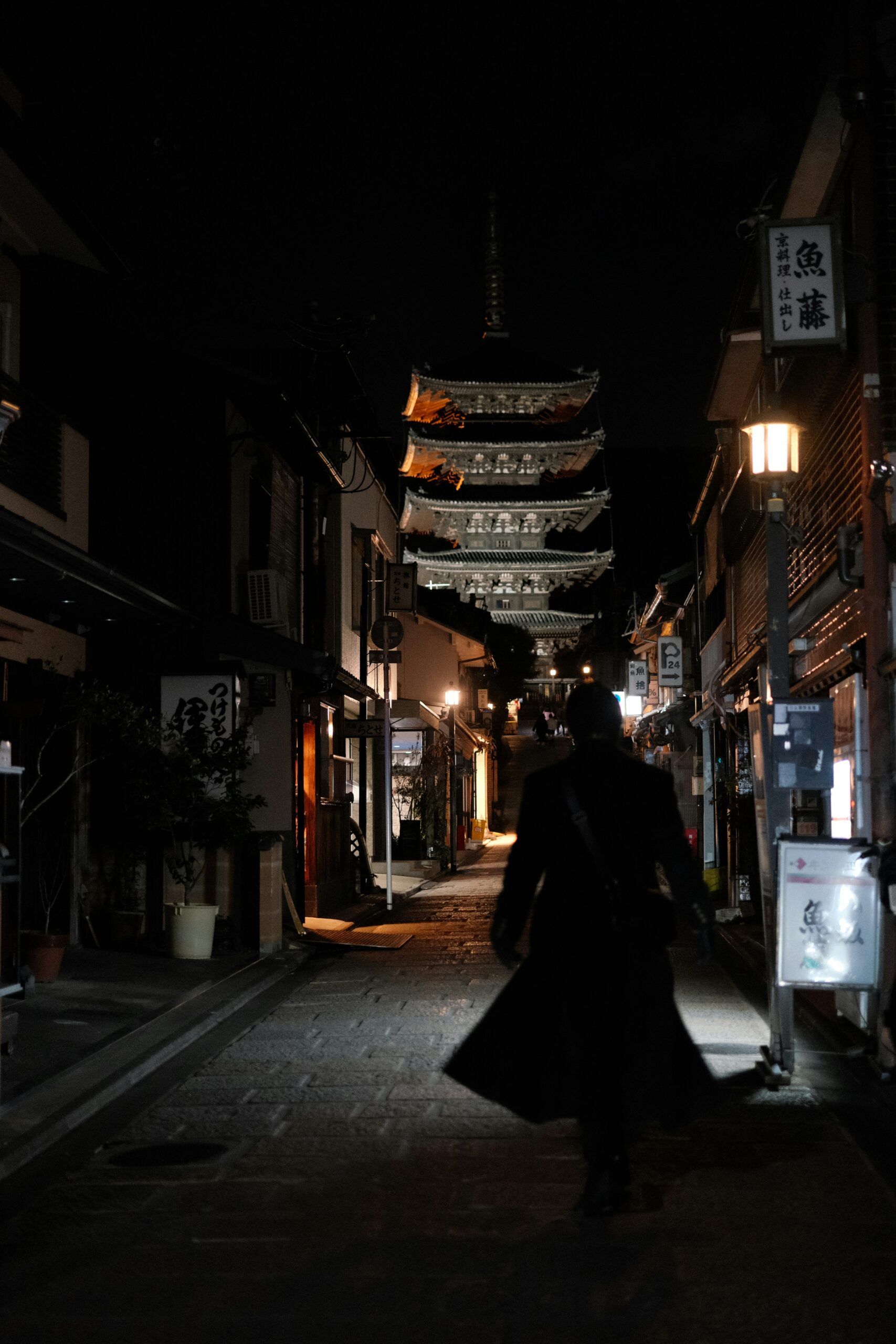
A softly lit street in Gion, where lanterns glow.
A maple leaf falling onto a kimono sleeve.
The quiet reflection of a temple pond as you stand in traditional attire.
These moments remind us that beauty is often found in the unrepeatable and imperfect.
Practical Tips for Your Kimono Experience in Kyoto
Book early: Especially during cherry blossom and autumn foliage seasons.
Choose the right kimono: Match your attire with the season and the setting.
Mind your manners: Wearing kimono comes with etiquette, like walking gracefully and adjusting your obi (belt) properly.
Opt for professional photos: Selfies are fine, but a professional photographer captures details you might miss.
👉 For a guided experience, consider a photoshoot with AllPhotos Kyoto—specializing in kimono and traditional Japanese backdrops.
Suggested Images for the Blog
To make the blog visually engaging and SEO-friendly, include the following types of royalty-free or licensed images (from Freepik, Unsplash, or similar):
- Woman in kimono walking through Gion’s lantern-lit streets
- Samurai or historical kimono replica in a Kyoto alley
- Seasonal kimono patterns (cherry blossoms, maple leaves, cranes)
- Tea ceremony with participants in kimono
- Bride in white kimono at a Shinto shrine
- Artisan hand-painting kimono fabric
- Kyoto temples and shrines as kimono backdrops
- A group photo session in kimono (tourists and locals)
Each image should have alt-text descriptions for SEO (e.g., “Woman wearing a red kimono walking through Kyoto’s historic Gion district”).
Conclusion
The kimono is more than fabric and thread—it is a reflection of wabi-sabi philosophy, embodying the beauty of imperfection, the passage of time, and the quiet grace of tradition. In Kyoto, this legacy is alive, waiting for visitors to experience it firsthand.
By walking through Kyoto in kimono, and especially by capturing these moments through professional photography, you don’t just wear a piece of clothing—you become part of an ancient story of elegance and simplicity.
👉 Discover your own wabi-sabi moment in Kyoto with AllPhotos Kyoto


コメント